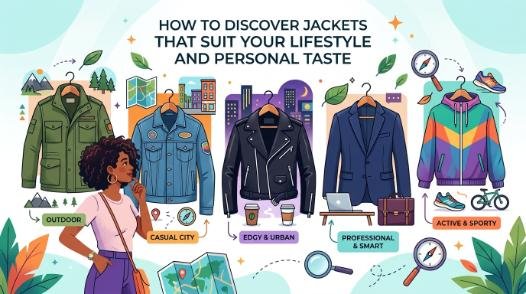
How to Discover Jackets That Suit Your Lifestyle and Personal Taste
Choosing the right jacket is about much more than finding something that looks good on a store rack. A jacket often becomes one of the most frequently worn pieces in a wardrobe, which means it needs to work with your daily routine, climate, comfort preferences, and personal sense of style. The best choice is the one that feels natural to wear while also giving you the appearance and functionality you want.
Some people need lightweight layers for commuting and weekend errands, while others want insulated outerwear for cold-weather adventures. Someone who prefers a relaxed streetwear aesthetic may gravitate toward oversized silhouettes and hooded designs, whereas a person with a minimalist wardrobe might prioritize clean lines and neutral colors. Understanding these differences makes it easier to shop intentionally rather than collecting jackets that rarely leave the closet.
This guide explores the most important factors to consider when discovering jackets that genuinely suit your lifestyle and taste. From fabric and fit to versatility, weather resistance, color, and layering potential, you can use these practical considerations to build an outerwear collection that works for you.
Start With Your Everyday Lifestyle
The first question to ask is simple: what do you actually do while wearing a jacket? Your daily activities should influence your choice just as much as current fashion trends. A jacket designed for occasional formal events will not necessarily be practical for someone who walks to work every morning, and an extremely technical outdoor layer may feel unnecessary for someone whose routine consists mostly of short car trips and indoor activities.
Think about where your jacket will spend most of its time. If you commute through a city, convenience and versatility may be your priorities. If you spend weekends hiking or traveling, durability and weather protection could matter more. For casual social settings, appearance may take center stage, particularly if your outerwear is an important part of your overall outfit.
- Urban commuters: Look for lightweight construction, practical pockets, easy layering, and weather resistance.
- Outdoor enthusiasts: Prioritize insulation, breathability, water resistance, and durable materials.
- Frequent travelers: Choose versatile jackets that pack easily and work across different outfits.
- Students: Casual, comfortable layers that can handle everyday wear are often ideal.
- Streetwear fans: Consider distinctive silhouettes, graphics, colors, and relaxed proportions.
- Minimalist dressers: Neutral colors and simple designs can maximize outfit combinations.
Once you identify your primary use case, it becomes much easier to eliminate jackets that do not fit your routine.
Understand the Role of Fit
Fit can completely change how a jacket looks and feels. Even an excellent fabric or attractive design can disappoint if the proportions are wrong for your body or the way you intend to layer your clothes. When evaluating a jacket, pay attention to the shoulder seams, sleeve length, torso width, and overall hem position.
A close-fitting jacket can create a streamlined appearance and work particularly well over thin shirts or lightweight knitwear. A relaxed fit offers more freedom of movement and makes room for sweatshirts, hoodies, and sweaters underneath. Oversized jackets, meanwhile, create a deliberately casual aesthetic that has become particularly popular in contemporary streetwear.
One useful approach is to consider your entire layering system rather than judging a jacket while wearing only a T-shirt. If you regularly wear thick layers, a slightly roomier cut may provide significantly better comfort. On the other hand, if the jacket is intended primarily for mild weather, excessive volume can make the garment feel bulky.
Match the Jacket to Your Personal Style
Personal style is ultimately about consistency. The jacket you choose should make sense alongside the clothing already hanging in your wardrobe. Before purchasing a new piece, consider the colors, silhouettes, footwear, and accessories you wear most often.
For people who favor casual American-inspired fashion, a coach hoodie can introduce a sporty layer while maintaining an uncomplicated everyday aesthetic. Its appeal comes from the ability to bridge comfort and casual styling without requiring a complicated outfit.
Other wardrobes may lean toward contemporary streetwear, graphic apparel, vintage-inspired pieces, or understated basics. Rather than trying to follow every seasonal trend, identify the visual characteristics you repeatedly choose. Do you prefer muted tones or bold graphics? Structured jackets or soft layers? Slim proportions or oversized shapes? Answering these questions gives you a much clearer definition of your personal style.
Choose Materials Based on Comfort and Performance
The material of a jacket determines much of its comfort, appearance, durability, and suitability for different conditions. Cotton can provide a familiar, breathable feel, while synthetic fabrics are often selected for their durability, easy care, or resistance to moisture. Fleece is valued for softness and warmth, whereas insulated materials can provide additional protection in colder environments.
There is no universally superior jacket fabric. The right choice depends on how and where you plan to use it. A lightweight cotton layer may be excellent for casual spring evenings but inadequate during heavy rain. Similarly, a heavily insulated winter jacket may be highly functional in freezing temperatures but uncomfortable when worn indoors or during mild weather.
| Material or Construction | Best Suited For | Key Consideration |
|---|---|---|
| Cotton | Casual everyday wear | Comfortable and versatile, but not always ideal for wet conditions |
| Fleece | Cool-weather layering | Soft and warm with a relaxed feel |
| Synthetic technical fabrics | Active lifestyles and variable weather | Often lightweight, durable, and moisture resistant |
| Insulated construction | Cold-weather use | Warmth depends on insulation type and garment design |
| Lightweight blends | Transitional seasons | Useful when flexibility and easy layering are priorities |
Also consider maintenance. If you want an everyday jacket that can withstand frequent use, easy-care materials may be more practical than delicate fabrics that require specialized cleaning.
Think About Weather and Seasonal Needs
Climate should play a major role in outerwear decisions. Someone living in a warm environment may need jackets primarily for air-conditioned interiors, cool evenings, or occasional rain. In colder regions, jackets can become essential equipment for navigating daily life.
Instead of looking for one garment that does everything, consider creating a small rotation for different conditions. A lightweight layer can handle mild temperatures, while a warmer jacket can take over when the weather drops. A water-resistant outer layer can provide additional protection during wet conditions.
Layering also makes your wardrobe more adaptable. Rather than buying an extremely heavy jacket that only works during the coldest part of winter, you can combine a moderate outer layer with sweaters or hoodies. This approach gives you more control over warmth and allows the same jacket to serve multiple seasons.
Explore Hoodies as Versatile Jacket Alternatives
Not every outer layer needs to be a traditional jacket. Hoodies can fill an important role in casual wardrobes because they provide warmth, comfort, and visual personality without the structure associated with conventional outerwear.
For shoppers who prefer expressive casual pieces, a sincerely yours hoodie can work as a statement-oriented layer within a relaxed wardrobe. Pieces like this can be especially useful when you want your clothing to communicate personality rather than simply provide protection from the elements.
Hooded layers can be worn beneath coats and jackets when temperatures fall, or used independently during transitional weather. They can also soften the appearance of more structured outerwear. For example, combining a casual hoodie with jeans and sneakers produces a distinctly relaxed look, while placing the same hoodie beneath a cleaner jacket can create contrast between sporty and polished elements.
Consider Color Before You Buy
Color determines how frequently a jacket can be integrated into your existing wardrobe. Neutral shades such as black, gray, navy, beige, olive, and white tend to offer extensive styling flexibility. They can serve as dependable foundation pieces and coordinate with a wide range of shirts, trousers, denim, and footwear.
However, neutral does not automatically mean better. A bold color or distinctive pattern can add much-needed personality to a wardrobe dominated by basics. The key is understanding whether the jacket is intended to be a foundation piece or a statement item.
Camouflage, for example, has moved beyond strictly utilitarian clothing and can appear in contemporary casual and streetwear collections. A abercrombie camo hoodie can introduce a recognizable pattern while keeping the overall outfit casual and approachable.
If you’re uncertain about a bold design, examine your existing wardrobe. If most of your clothing is solid-colored, a patterned jacket may become an effective focal point. If your wardrobe already contains several statement pieces, a simpler jacket may provide better balance.
Prioritize Versatility and Cost Per Wear
A jacket does not necessarily become a good purchase because it is inexpensive. Its real value depends on how often you can wear it and how well it performs over time. A versatile jacket that works with multiple outfits can deliver more value than a cheaper piece that only suits one particular look.
Before buying, imagine at least three different outfits you could create with the jacket. Consider whether it works with your favorite jeans, trousers, sneakers, boots, or other everyday pieces. If you can easily build multiple combinations, the jacket is more likely to earn a regular place in your wardrobe.
It is also worth considering the occasions it can cover. A highly versatile casual layer might work for errands, travel, coffee dates, school, casual workplaces, and weekends. That range can make a seemingly simple jacket more valuable than a highly specialized piece.
Pay Attention to Functional Details
Small design details often determine whether a jacket remains useful after the initial excitement of purchase fades. Pockets, zippers, cuffs, drawcords, hoods, linings, and closures can all affect practical performance.
- Pockets: Check whether they are large enough and positioned conveniently for your everyday essentials.
- Closures: Zippers, snaps, and buttons should feel secure and easy to operate.
- Hoods: Consider whether the hood provides useful coverage or is primarily decorative.
- Cuffs: Adjustable or elastic cuffs can help control airflow and improve comfort.
- Hem design: Drawcords and structured hems can change both fit and weather protection.
- Interior construction: A suitable lining can influence comfort, warmth, and ease of layering.
These features should support your lifestyle rather than simply add visual complexity. If you rarely carry items in your pockets, for example, an abundance of storage may be less important than a lightweight construction.
Use a Practical Jacket-Buying Process
Shopping becomes easier when you follow a repeatable decision-making process. Instead of buying based entirely on a first impression, evaluate each potential jacket against the same criteria.
- Define the purpose. Decide whether the jacket is for commuting, travel, outdoor activities, social occasions, layering, or everyday casual wear.
- Assess the climate. Determine how much insulation, breathability, water resistance, or wind protection you actually need.
- Choose the silhouette. Decide between fitted, regular, relaxed, or oversized proportions based on your wardrobe and layering habits.
- Check the material. Consider comfort, durability, maintenance, and performance requirements.
- Evaluate the color or pattern. Make sure it complements your existing clothing or deliberately fills a gap in your wardrobe.
- Inspect functional details. Look at pockets, closures, cuffs, hoods, lining, and other features that affect everyday usability.
- Consider versatility. Identify several outfits and occasions where you can realistically wear the jacket.
This process helps separate genuine wardrobe needs from impulse purchases. It also encourages you to think beyond how a jacket looks in a product photograph.
Build a Balanced Outerwear Collection
You do not need a huge collection of jackets to have excellent options. A carefully selected rotation can cover most everyday situations while minimizing unnecessary spending and closet clutter.
A balanced wardrobe might include a lightweight transitional layer, a dependable casual jacket, a warmer cold-weather option, and a distinctive statement piece. The exact combination depends on your climate and lifestyle. Someone in a mild coastal region may need more lightweight layers, while someone in a snowy environment will likely prioritize insulation.
Think of each new purchase in relation to what you already own. If you already have several black jackets, buying another similar one may provide little additional value. A different texture, silhouette, color, or function could add much more versatility.
Frequently Asked Questions (FAQs)
How do I know which jacket style suits me?
Start by considering your lifestyle, body proportions, existing wardrobe, and preferred aesthetic. Look for silhouettes and materials that fit your normal activities rather than choosing solely according to current trends.
Should I choose a fitted or oversized jacket?
Both can work well. A fitted jacket is useful for streamlined outfits and lighter layers, while an oversized style offers more room for sweatshirts and sweaters and creates a relaxed appearance.
What jacket colors are easiest to style?
Black, navy, gray, beige, olive, and other muted shades are generally versatile choices. However, statement colors and patterns can be excellent options when you want outerwear to become the focal point of an outfit.
Are hoodies useful as part of an outerwear wardrobe?
Yes. Hoodies can provide comfortable layering during transitional weather and can also be worn beneath heavier jackets when additional warmth is needed. They are particularly useful in casual and streetwear-oriented wardrobes.
How many jackets should I own?
There is no universal number. Focus on having enough variety to cover your climate, activities, and preferred styles. A smaller collection of versatile pieces can be more useful than a large wardrobe filled with overlapping designs.
Choose Outerwear That Works for You
The best jacket is not necessarily the most fashionable, expensive, or technically advanced option available. It is the piece that fits naturally into your life. When you consider your daily activities, climate, preferred fit, materials, colors, functionality, and existing wardrobe, you can make much more confident outerwear decisions.
Take the time to identify what your wardrobe is missing before making your next purchase. Whether you need a dependable everyday layer, a comfortable hooded piece, a distinctive pattern, or a versatile jacket for changing weather, choose something that reflects both how you live and how you want to look. The right outerwear should make getting dressed easier—not more complicated.