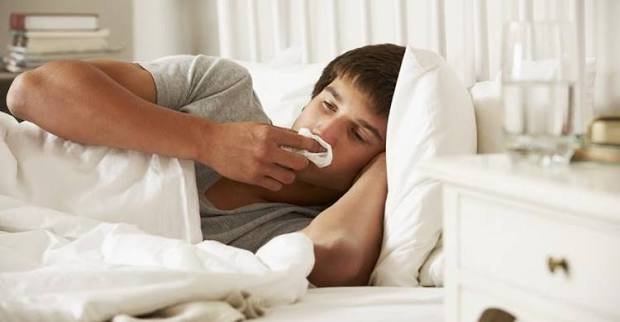
Pneumonia is a respiratory condition that causes inflammation in the air sacs of one or both lungs. It can develop following an infection and may lead to symptoms such as coughing, fever, chest discomfort, fatigue, and difficulty breathing. Recovery varies according to the underlying cause, the severity of the illness, and the individual’s general health. Understanding Pneumonia in dubai can help individuals recognize symptoms, seek timely medical assessment, and understand the importance of appropriate respiratory care.
Under the guidance of Dr Barbara, patients can learn about the medical evaluation and supportive measures that may be needed during pneumonia recovery. A structured approach to treatment, symptom monitoring, hydration, and gradual activity can help support recovery while reducing the risk of complications.
Understanding Pneumonia and Its Effects on Lung Function
Pneumonia occurs when an infection or another inflammatory process affects lung tissue. The air sacs, known as alveoli, may fill with fluid or inflammatory material, making it more difficult for oxygen to pass into the bloodstream.
The condition can be caused by bacteria, viruses, and, less commonly, fungi. Symptoms and severity can differ considerably between individuals. Some people experience a relatively mild illness, while others may develop significant breathing difficulties or require hospital treatment.
Common symptoms include persistent coughing, fever, chills, shortness of breath, chest pain that worsens during breathing or coughing, and unusual tiredness. Older adults and individuals with certain chronic conditions may experience less typical symptoms, such as confusion or a decline in everyday functioning.
Recognizing these symptoms early can help patients obtain an appropriate diagnosis and begin suitable treatment.
Pneumonia Treatment in Dubai: Why Early Assessment Matters
Pneumonia Treatment in dubai begins with determining the likely cause and severity of the illness. A medical assessment may include a review of symptoms, medical history, temperature, respiratory rate, oxygen saturation, and examination of the chest.
Depending on the clinical findings, additional investigations may be required. These can include a chest X-ray, blood tests, or selected laboratory tests to help identify the infection or evaluate its severity.
Treatment depends on the cause. Bacterial pneumonia may require antibiotics, whereas antibiotics do not treat viral infections themselves. Antiviral medication may be appropriate for certain viral infections, depending on the specific infection and the patient’s circumstances.
Patients should take prescribed medication as directed and avoid using leftover antibiotics or starting treatment without medical advice. Individuals with severe symptoms may need hospital care, oxygen therapy, or other supportive treatment.
Supporting Oxygen Levels and Breathing During Recovery
Maintaining adequate oxygen levels is an important consideration in pneumonia care. Inflammation and fluid within the lungs can interfere with normal gas exchange, sometimes causing breathlessness or reduced blood oxygen levels.
Healthcare professionals may monitor oxygen saturation and breathing patterns to determine whether additional support is needed. Oxygen therapy may be recommended when clinically indicated, particularly for patients with low oxygen levels.
Patients recovering at home should follow their medical advice and avoid strenuous activities while experiencing significant breathlessness or weakness. Comfortable positioning and allowing sufficient time for rest may make breathing feel more manageable.
Breathing exercises should be introduced when appropriate and should not replace medical treatment. Anyone experiencing worsening breathlessness, blue or grey lips, severe chest pain, or new confusion needs urgent medical assessment.
The Importance of Rest and Hydration
Rest is an important part of recovering from pneumonia because the body needs time and energy to respond to infection and repair affected tissues. Adequate sleep and a gradual return to normal activities may help reduce excessive fatigue during recovery.
Hydration also supports general physiological function. Drinking appropriate amounts of fluid may help prevent dehydration and can make respiratory secretions easier to clear. However, individuals who have been advised to restrict fluids because of heart or kidney conditions should follow their healthcare professional’s recommendations.
A balanced diet containing adequate protein, vitamins, and minerals supports normal immune function and tissue maintenance. Patients with reduced appetite may find smaller, more frequent meals easier to manage while recovering.
Managing Cough and Respiratory Discomfort
A cough is a common symptom of pneumonia and may persist even after other symptoms begin to improve. It helps clear secretions from the respiratory tract, although frequent coughing can contribute to chest soreness and disturbed sleep.
Treatment should focus on the underlying cause and the patient’s specific symptoms. Patients should consult their healthcare professional before using cough suppressants or other non-prescription medicines, especially if they have chronic conditions or take other medications.
Avoiding tobacco smoke, vaping aerosols, and other respiratory irritants may help reduce additional irritation. Indoor air should be comfortable, and any humidifier used should be cleaned properly to prevent microbial growth.
Persistent or worsening symptoms require reassessment rather than an assumption that recovery is progressing normally.
Nutrition and Gradual Physical Activity
Pneumonia can temporarily reduce stamina, muscle strength, and exercise tolerance. Returning to normal physical activity too quickly may increase fatigue, particularly after a more severe infection.
During early recovery, patients should prioritize rest and gradually increase movement as their symptoms improve. Short walks and routine daily activities may be reintroduced according to individual tolerance and medical advice.
Nutrition also plays a role in supporting recovery. Regular meals containing protein-rich foods, vegetables, fruits, and other nutrient-dense options can help meet the body’s needs. Individuals who experience prolonged appetite loss, unexplained weight loss, or difficulty eating should discuss these concerns with a healthcare professional.
A personalized recovery plan should consider the severity of the illness, pre-existing health conditions, and the patient’s response to treatment.
Monitoring Recovery and Recognizing Complications
Improvement in pneumonia symptoms is usually gradual. Fever may resolve before coughing and fatigue disappear completely. The time needed to recover depends on several factors, including age, the cause of infection, and the presence of other medical conditions.
Patients should follow any recommended review schedule and complete prescribed treatment according to medical instructions. Follow-u