Walk into almost any reputable repair facility today and you’ll see it somewhere — a badge, a wall plaque, a sticker on the front window. “OEM Certified.” Most car owners nod and move on without really knowing what they’re looking at.
Fair enough. It’s not exactly dinner table conversation.
But here’s the thing: if your car’s ever been in a collision, or might be someday, this stuff matters in ways most people don’t find out until it’s too late.
First, What OEM Actually Means
OEM stands for Original Equipment Manufacturer. In plain terms, it’s the company that made your car’s parts in the first place. Toyota makes Toyota parts. Ford makes Ford parts. You get the idea.
When a body shop earns OEM certification from one of these manufacturers, it means the brand itself has stepped in and said: we’ve checked this place out, tested their equipment, reviewed how their technicians work, and we approve of what we saw. It’s not a rating the shop gives itself. An outside audit happens. The manufacturer sets the bar.
Each brand runs its own program. BMW’s certification looks different from Honda’s. Tesla’s is especially strict. But the core idea is the same across all of them — the shop has to earn it, and keep earning it.
What the Shop Actually Has to Do
This is where it gets practical. Certification isn’t just paperwork. Shops have to prove things like:
- They stock and use genuine manufacturer parts, not aftermarket alternatives sourced from third parties
- Their technicians follow the exact repair procedures the manufacturer publishes, not generic methods
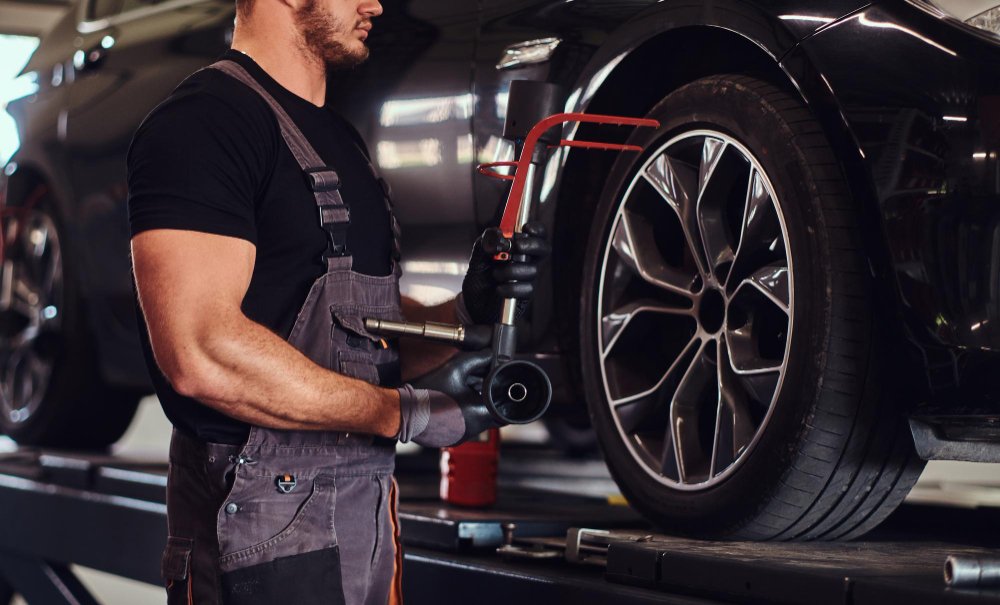
- Their equipment meets the brand’s specs — specific welding tools, frame measuring systems, diagnostic scanners
- Their staff goes through regular training as vehicle technology changes
That last point matters more than it used to. Cars built in the last five years are genuinely complicated. High-strength steel that’s engineered to absorb impact in a specific way. Aluminum frames that can’t be welded the same as steel. Sensors embedded in bumpers, mirrors, windshields. A shop that fixed cars well in 2012 doesn’t automatically know how to fix them well in 2025 without keeping up.
The Safety Question Nobody Asks Until After
Here’s a scenario. Your car gets rear-ended. You take it to a shop. They fix the dents, repaint the bumper, everything looks great. You drive away.
What you probably didn’t ask: did they recalibrate the backup camera? What about the parking sensors? The blind spot monitoring that lives inside that bumper?
If those sensors aren’t recalibrated correctly after a repair, they may give you false confidence. The system shows green, but the detection range is off. You won’t know until something goes wrong.
An OEM-certified auto body repair shop is specifically trained to catch this. The manufacturer’s repair procedures include steps for calibration because the manufacturer built those systems and knows exactly what post-repair checks they need. A shop that’s winging it from general experience won’t necessarily know to run those checks at all.
The structural side is just as important. Crumple zones are engineered to fail in a particular sequence during a crash. That sequence is what protects the people inside. If those zones are repaired with the wrong materials or wrong technique, they may not perform correctly in the next impact. The car looks fine. It’s not.
Aftermarket Parts: Cheaper, but Not the Same Thing
Your insurance company may push for aftermarket parts. They cost less, which benefits the insurer. But what’s the actual difference?
Aftermarket parts are made by third-party manufacturers, not the original brand. Sometimes the quality is close. Sometimes it really isn’t. Fit tolerances can be slightly off. Steel gauge might be thinner. Paint primers behave differently. For a side mirror cover or a door trim piece, maybe that’s acceptable. For a structural panel, a hood latch, or anything tied to a safety system, the difference starts to matter.
When you use a certified collision repair shop, you’re getting parts that match the original spec because they came from the same source. The car goes back together the way it was designed. That’s genuinely harder to guarantee with aftermarket substitutes.
Warranties and Why Certified Repairs Protect Yours
If your car is still under the manufacturer’s warranty and a non-certified shop makes repairs using unapproved methods or parts, you may run into trouble down the road. Not every claim gets denied, but the door opens for disputes.
Certified shops follow processes the manufacturer formally recognizes. That paper trail matters if something fails later and you need the warranty to cover it.
Tesla is probably the clearest example of this in practice. They’ve been vocal about requiring certified repairs and have at times flagged non-certified work in the car’s service history. If you own a Tesla, taking it to a non-certified shop isn’t just a quality question — it could have documentation consequences.
How to Actually Verify a Shop’s Certification
Don’t just take the badge at face value. Ask which manufacturers they’re certified by and ask to see documentation. Reputable shops will show you without hesitation.
Most manufacturers maintain an online directory of certified facilities you can search yourself. Takes two minutes. Worth doing before you commit.
Also look for I-CAR Gold Class. That’s a separate industry designation that confirms the shop’s technicians complete ongoing training, not just a one-time course. A solid auto body repair shop typically holds several credentials, not just one. When you see multiple certifications side by side, that’s usually a sign the shop invests in doing things right, not just in looking like they do.
Spectrum Auto Inc.: Certified and Then Some
Spectrum Auto Inc. has been operating out of West Nyack, New York for over 30 years. In that time, they’ve built up more than 15 OEM certifications — Tesla included, which not many shops can say.
Every technician on staff carries I-CAR Platinum certification. The shop as a whole holds I-CAR Gold Class status. They work with all major insurance carriers directly, so the process isn’t a headache for the customer. From a minor scrape to significant collision damage, they bring the same level of care to every repair. Drivers across Rockland, Westchester, and Orange Counties keep coming back for exactly that reason.
Frequently Asked Questions
- Will OEM-certified repairs cost me more out of pocket?
Sometimes a little, yes. Genuine parts and trained labor aren’t the cheapest combination. But the gap is usually smaller than people think, and a lot of certified shops work directly with insurers to keep things manageable. The bigger cost risk is cutting corners and dealing with safety or warranty issues later.
- My insurance company wants me to use their preferred shop. Do I have to?
No. Most U.S. states give you the right to pick your own repair facility. Your insurer can suggest a shop, but the choice is yours. If you’d rather take your car to an OEM-certified collision repair shop, that’s your call. You might need to push back on parts coverage separately, but you can’t be forced into a shop you don’t trust.
- My car was already repaired at a non-certified shop. Should I be worried?
Not automatically. There are non-certified shops that do careful, honest work. The issue is that without manufacturer oversight, there’s no structured verification that everything was done to spec. If the repair involved anything structural or sensor-related and you’re not sure what was done, having a certified shop do a post-repair inspection isn’t a bad idea. Peace of mind is worth it.
- How often do shops have to renew OEM certification?
It varies by manufacturer, but most programs run renewal cycles every one to two years. Equipment gets re-inspected. Technician training records get reviewed. It’s not a credential shops can just sit on. That ongoing requirement is actually what makes it meaningful.