Introduction
Nursery shopping is one of the great joys of expecting a baby. Soft fabrics, pretty prints, personalised touches, it all feels part of building a warm little world for your child. But there is one area where style needs a second look before it earns a place in the car, and that is the humble car seat cover. Plenty of parents assume that if a product looks premium and feels soft, it must be safe. That assumption is exactly where things can go wrong.
Why Placement Matters More Than Price
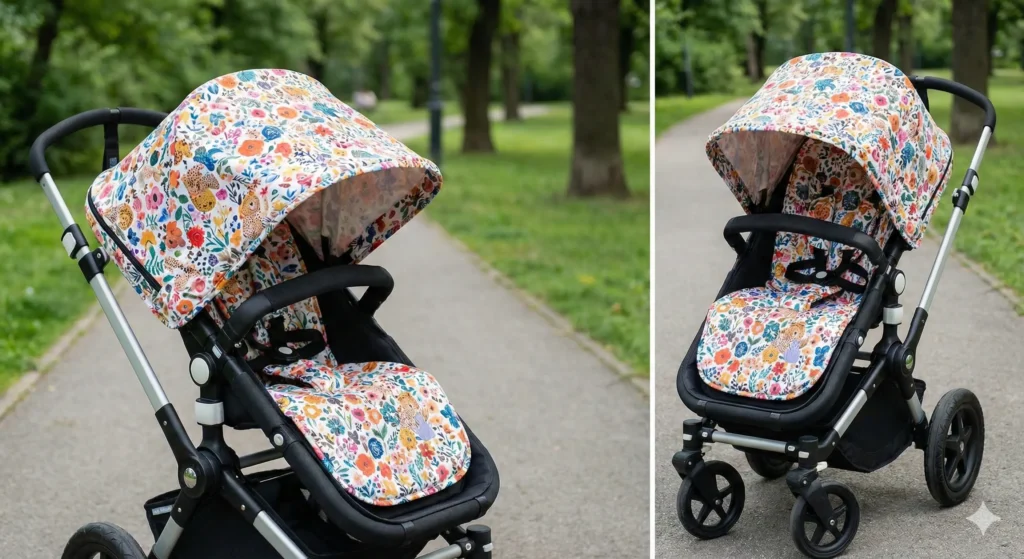
Custom Baby Car Seat Covers have become a popular way for parents to add a personal touch to their little one’s ride, but the safety question isn’t about how much you spent or which brand you trust. It comes down to one simple thing: where the cover actually sits on the seat. A cover that hugs the outside of the shell behaves completely differently to one that sits underneath your baby, pressed against the harness. Understanding that difference is the single most useful thing you can do before adding any cover to your car seat.
The Only Question Worth Asking
Forget the price tag. Forget how many five star reviews a product has. There really is just one question that tells you almost everything you need to know about a cover’s safety.
Where does it sit relative to the harness?
That’s it. Everything else follows from the answer.
An exterior overlay sits on top of or around the seat shell. It never touches the harness, and it adds no bulk underneath the baby. Think canopy style covers or decorative shell wraps. A harness contact component, on the other hand, sits between your baby’s body and the straps themselves. Strap pads, infant inserts, shoulder padding and crotch padding all fall into this second group, and this is where things get more serious. These items can be perfectly safe, but only when they are either the original accessory supplied with the seat or specifically approved by the manufacturer for that exact model. A generic version, however soft or expensive it feels, can compress under crash forces and leave dangerous slack in the harness.
A Simple Way to Work Out What You Have
If you’re standing in a shop or scrolling through a website unsure which category a product falls into, run through this quick mental checklist.
Is it a decorative cover for the outside of the seat? Make sure it stays well clear of the harness, buckle and belt path.
Is it an insert, shoulder pad or crotch pad? Confirm it’s either original to the seat or specifically listed as approved by the manufacturer for your exact model.
Do you just want something for sun, wind or privacy? Look at external canopies that clip onto the carrier handle rather than the seat itself.
Are you trying to protect your car’s upholstery? Check your car seat’s manual first, because rules on seat protectors differ quite a lot between brands.
Once anything new is added, always do a fit check afterwards. Harness straps should sit at or below shoulder level for rear facing seats, the chest clip should rest at armpit level, and there should be less than an inch of movement anywhere along the belt path.
Five Rules That Should Never Bend
Regardless of how gorgeous a product looks in photos, a handful of rules stay fixed.
Unapproved padding should never touch the harness. Only use inserts or pads that came with the seat originally or that the manufacturer has specifically approved.
The belt path stays exactly as the manual describes it, with nothing rerouted or added around it.
The buckle and chest clip need to stay fully reachable at all times, no exceptions.
Airflow has to stay open. Heavy, enclosing covers trap heat and can block your view of your baby’s face.
The seat’s manual is the final word on compatibility. If you’re not sure, a certified Child Passenger Safety Technician can help clear things up.
These principles broadly mirror general guidance from paediatric and child safety bodies, and they hold true no matter which brand or price point you’re considering.
Warning Signs Worth Knowing
A few red flags are worth remembering, even when a product photographs beautifully.
Unapproved padding placed under the baby, such as sheepskin or thick fleece liners, can feel snug and soft at first but may compress quickly under crash forces if it isn’t approved for that specific seat.
Padded strap covers can stop the harness from lying flat, which changes how snugly it fits unless the cover has manufacturer approval.
Products marketed as universal fit are worth extra caution. Every seat has different harness geometry, so a one size fits all insert can shift strap position in ways that aren’t obvious until they matter most.
Heavy, fully enclosed covers trap heat and block visibility, both real concerns for infants who cannot regulate their own body temperature well.
What a Genuinely Safe Decorative Cover Looks Like
For covers designed to sit on the outside of the seat shell, a few features separate a well made option from a risky one. It should sit on top of or around the shell and never underneath the baby. It should leave the harness straps, buckle and adjustment mechanism fully exposed and reachable. It should avoid adding thickness where the child’s back meets the seat, use breathable fabric rather than heat trapping material, and keep your baby’s face visible at all times.
If you’re after a canopy or nursing style cover, look for lightweight, breathable fabrics such as muslin or bamboo cotton. The best designs attach to the carrier handle rather than the seat itself and include an easy quick release for fast removal.
A Simple Checklist Before You Buy and Install
Before buying, be clear on whether the product is an exterior cover or a harness area accessory. If it’s exterior, confirm it stays clear of the harness and buckle. If it’s an insert or pad, confirm it is either original or manufacturer approved for your exact seat model. Make sure it doesn’t block your baby’s face and that it’s made from breathable material.
After installing, run through the pinch test to check for slack at the collarbone, confirm harness strap height suits the seating direction, check the chest clip sits at armpit level, and make sure nothing interferes with buckling or adjusting the harness. Finally, confirm your baby’s face is visible and airflow feels good.
The Bottom Line
Beautiful nursery and car seat gear doesn’t have to come at the cost of safety. The real question was never about price or branding, it has always been about where a product sits relative to the harness and whether it carries manufacturer approval for that specific seat. Exterior covers that stay clear of the harness give you the most room to personalise with the fewest open questions, while anything placed near the harness deserves a direct check against the manual or a quick message to the manufacturer first. Building that one habit into your shopping routine is what lets stylish parents get the elevated look they want, with full confidence in what’s protecting their baby.
FAQ
Are luxury car seat covers safe to use?
Safety comes down to placement rather than price or branding, since exterior covers work on a different design logic to harness area padding. When in doubt, the seat’s manual or a certified technician has the final say.
What is the difference between a decorative cover and a harness area accessory?
A decorative cover sits outside the seat shell and adds style without touching the straps. A harness area accessory sits exactly where the straps meet the child’s body, which is why approval status matters so much there.
Will a decorative car seat cover void the warranty?
This depends entirely on the manufacturer’s specific policy, as some only restrict items touching the harness while others are broader. Checking the manual directly is always safer than assuming a general rule applies.
Can a canopy or nursing cover go over a baby’s car seat?
Generally yes, provided it attaches to the carrier handle rather than the seat itself and stays lightweight and breathable. It should never sit between the baby and the harness straps or block visibility of the face.
Are sheepskin or plush inserts safe inside a car seat?
They’re only safe if they came originally with the seat or are specifically approved by the manufacturer for that model. Generic versions can compress under crash forces even if they feel snug at first.
What should parents look for in a safe decorative car seat cover?
Look for a cover that sits entirely on the exterior, leaves the harness and buckle fully reachable, and adds no bulk under the child. Breathable material matters too, and premium fabric or embroidery can comfortably fit within this category.
When should a CPST be consulted about car seat accessories?
It’s worth consulting one anytime there’s uncertainty about compatibility or after any change to the setup. Many fire stations, hospitals and paediatric clinics offer free checks with certified technicians.