Shopee has become the default starting point for Malaysian e-commerce. With millions of active buyers, built-in logistics support, and a familiar checkout experience, it’s no surprise that many local brands have built their entire online presence around it. But here’s the problem: relying on Shopee alone leaves your brand exposed. Partnering with an SEO Agency to build an independent website isn’t just an optional extra—it’s a long-term growth strategy that Shopee simply cannot replicate.
This post breaks down the real trade-offs between selling on Shopee and owning your digital presence, and explains why the smartest Malaysian e-commerce brands are doing both.
The Shopee Advantage—and Where It Falls Short
There’s no denying Shopee’s appeal. The platform offers immediate access to a massive, ready-to-buy audience without the technical overhead of building a website from scratch. For new sellers, this is invaluable. You can list products, run promotions, and start generating sales within days.
Shopee also brings built-in trust. Malaysian shoppers are comfortable buying on the platform—they know the return policies, they’re familiar with Shopee Pay, and they trust the review system. That social proof is hard to manufacture from zero on a new website.
But the advantages come with real constraints.
You don’t own your customers. Every buyer who purchases from your Shopee store belongs to Shopee’s ecosystem, not yours. You can’t retarget them directly, send them email campaigns, or build a loyalty programme without Shopee’s blessing. That data—arguably one of the most valuable assets in modern e-commerce—sits behind a wall you don’t control.
You don’t own your visibility. Shopee’s search algorithm determines whether your products appear on page one or page ten. Algorithm updates, increased competition, or changes to Shopee’s ad policies can tank your visibility overnight. You have no meaningful way to protect yourself against that.
Fees add up. Commission structures, transaction fees, and the cost of Shopee Ads eat into margins that could otherwise be reinvested into your brand. The more you scale, the more pronounced this becomes.
Why Your Own Website Changes the Equation
An independent website flips the script on every limitation listed above.
Customer data becomes a business asset. When someone buys from your website, you capture their email, purchase history, and browsing behaviour. You can segment that audience, run targeted campaigns, and build relationships that extend well beyond a single transaction. This is the foundation of retention marketing—something Shopee simply doesn’t allow.
Branding is entirely yours. On Shopee, every product page looks roughly the same. Your brand competes on price, ratings, and thumbnail quality. On your own website, you control the full experience—the design, the storytelling, the photography, the tone. That differentiation builds brand equity over time, which translates into higher customer lifetime value and pricing power.
SEO creates compounding returns. This is arguably the most underappreciated advantage of owning a website. Every piece of content you publish, every product page you optimise, and every backlink you earn contributes to a domain authority that grows over time. Unlike paid ads—which stop the moment your budget runs out—organic search traffic is durable. A well-optimised blog post written today can drive qualified traffic for years.
Margins improve significantly. Without platform commissions, your revenue goes further. Even after accounting for hosting, payment processing, and marketing costs, many brands find their net margins are meaningfully higher on direct-to-consumer sales.
How to Build an SEO Strategy Beyond Shopee
A website without an SEO strategy is just a digital brochure. Here’s how Malaysian e-commerce brands can build one that actually drives growth.
Start with keyword research tailored to your audience
Generic keywords are fiercely competitive. The goal is to identify the specific terms your target customers use when searching for products like yours—including long-tail phrases with clear purchase intent. Tools like Google Keyword Planner, Ahrefs, or Semrush can help, but local nuance matters. Malaysian consumers often search in a mix of English and Bahasa Malaysia, so bilingual keyword strategies deserve serious consideration.
Optimise your on-page fundamentals
Each product page should have a unique title tag, a compelling meta description, and descriptive alt text on images. Product descriptions should be written for humans first and search engines second—clear, specific, and benefit-led. Avoid duplicating manufacturer copy, which adds no SEO value and can actively harm rankings.
Use content marketing to build authority
Blog content is one of the most effective ways to capture top-of-funnel traffic and establish expertise in your niche. A skincare brand might publish guides on ingredients; a home goods retailer might cover interior styling tips. The content doesn’t need to go viral—it needs to be genuinely useful to the people most likely to buy from you.
Address the technical foundations
Site speed, mobile responsiveness, clean URL structures, and proper crawlability are non-negotiable. Google prioritises fast, well-structured websites, particularly on mobile. A technical SEO audit—ideally conducted by an experienced SEO agency—can surface issues that quietly suppress your rankings without any obvious symptoms.
Build backlinks deliberately
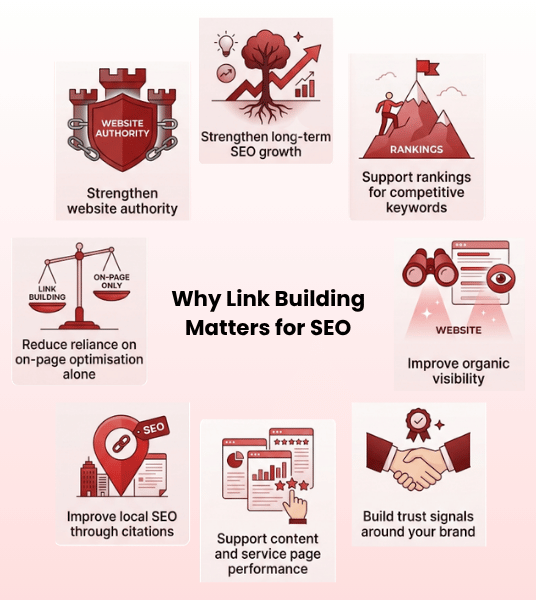
Domain authority grows through quality backlinks. This means getting other reputable websites to link to yours—through digital PR, partnerships, guest content, or listings in relevant directories. It takes time, but each quality link strengthens your site’s credibility in Google’s eyes.
Practical Steps to Get Started
If you’re still primarily relying on Shopee, here’s a sensible starting point:
- Audit your Shopee store. Identify your top five to ten best-selling products. These are the natural candidates for your website’s priority product pages—proven sellers with real demand.
- Choose the right platform. Shopify, WooCommerce, and Shoplazza are all popular choices in Malaysia, each with different strengths. Choose based on your budget, technical capacity, and long-term needs.
- Implement SEO basics immediately. Before you drive traffic, ensure your website is structurally sound. Set up Google Search Console, install an SEO plugin (if using WordPress), and optimise your core pages.
- Create content that supports your products. Don’t just list products—build context around them. Buying guides, comparisons, and use-case articles help potential customers make decisions and improve your chances of ranking for relevant searches.
- Track everything. Set up Google Analytics 4 from day one. Monitor which channels are driving traffic, which pages are converting, and where visitors are dropping off. Use that data to iterate.
Use Both Channels—But Build What You Own
Shopee and your own website are not mutually exclusive. Used together, they serve different but complementary roles. Shopee captures impulse buyers and marketplace traffic; your website builds brand equity, retains customers, and compounds over time through SEO.
The brands that will dominate Malaysian e-commerce over the next decade are those that treat Shopee as a customer acquisition channel—not a permanent home. Your website is where the relationship deepens, where margins improve, and where your brand gets to exist on its own terms.
Building that independent presence takes time and expertise. But the brands that start now will have a meaningful head start on those that wait.