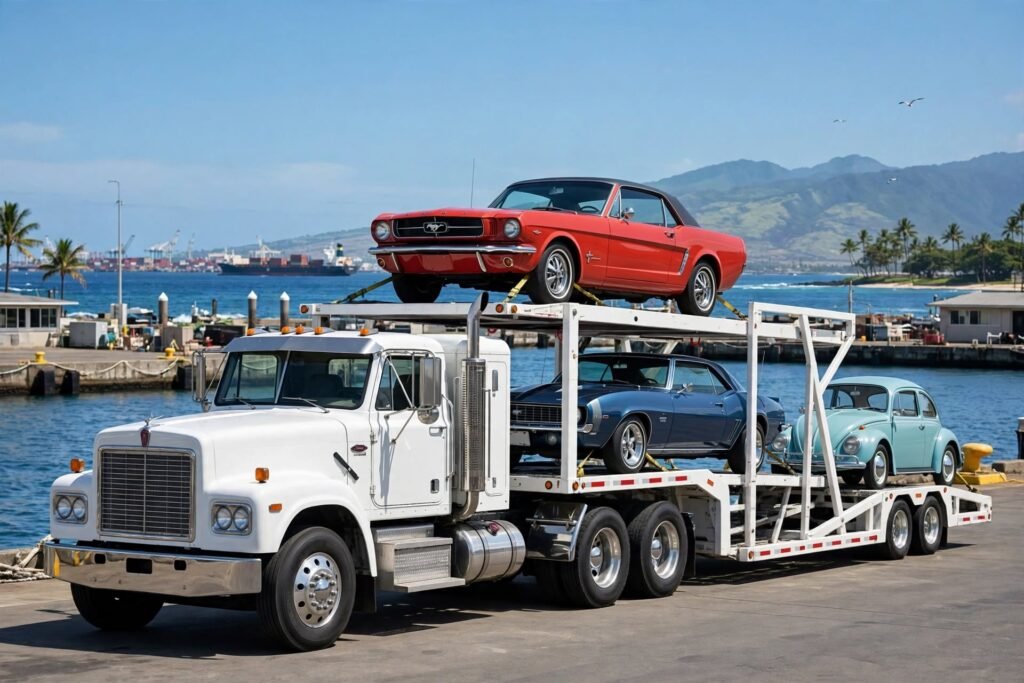
Moving a vehicle from the mainland to an island destination requires a different level of preparation than ordinary interstate transportation. When you ship car from california to hawaii, your vehicle must go through several important steps before reaching its destination. From selecting the right shipping arrangements to preparing paperwork and checking vehicle condition, every detail matters.
For American customers relocating to Hawaii, purchasing vehicles from California, or sending automobiles to family members, proper preparation can make the entire process easier. Rapid Auto Shipping helps customers explore vehicle transportation solutions and understand the requirements involved in arranging long-distance vehicle shipments.
Mainland to Island: Why Preparation Matters
Unlike traditional road transportation, shipping a vehicle to Hawaii involves ocean freight and port-related procedures. Your automobile must be prepared for handling, accepted at the departure facility, and transported through the appropriate shipping arrangements.
Small preparation mistakes can create unnecessary delays or additional expenses. Therefore, organizing your vehicle before its scheduled departure is an important part of the process.
Start planning early rather than waiting until the final pickup date.
Your Pre-Shipping Checklist: Five Things to Handle First
Before arranging transportation, take care of these essential details.
- Clean the vehicle thoroughly
Wash your automobile inside and outside. A clean exterior makes it easier to document existing scratches, dents, and other visible damage during inspection. Remove unnecessary belongings from the interior and trunk.
- Check for mechanical issues
Confirm that your vehicle starts, runs, steers, and brakes properly if the selected shipping arrangement requires it. Report mechanical problems before booking.
- Remove personal belongings
Personal items are generally restricted in port-to-port vehicle shipments. Remove luggage, electronics, household goods, and loose accessories to avoid complications during inspection.
- Keep the fuel level low
Follow the departure facility’s specific fuel requirements. Many ocean vehicle shipping arrangements require the fuel tank to contain only a small amount of fuel for safety purposes.
- Inspect the battery and tires
Make sure the battery is secured and the tires are properly inflated. Report any condition that could affect vehicle movement or handling.
Documentation: The Part You Should Never Leave Until Last
Paperwork is an important element of overseas vehicle transportation. Missing documents can create unnecessary complications when your automobile arrives at the port.
Depending on ownership status and shipping arrangements, you may need:
- Valid government-issued photo identification.
- Original vehicle title or acceptable ownership documentation.
- Current vehicle registration.
- Lienholder authorization, if applicable.
- Booking confirmation and shipping instructions.
- Any additional documents requested by the shipping facility.
Requirements can vary depending on the port, carrier, and vehicle ownership situation. Confirm the latest documentation requirements directly with the ocean carrier before delivering your vehicle.
If someone else is dropping off or collecting your automobile, ask whether written authorization is necessary.
Choosing the Right California Departure Port
California has multiple port facilities involved in vehicle transportation to Hawaii. The most convenient departure location depends on where your vehicle is currently located and which destination island you are targeting.
Important planning considerations include:
- Distance between your home and the departure port.
- Available sailing schedules.
- Vehicle receiving and release procedures.
- Port operating hours.
- Destination port accessibility.
- Additional inland transportation requirements.
For example, someone living in Northern California may have different logistical considerations than a customer arranging vehicle delivery from Southern California.
Compare available shipping arrangements instead of automatically choosing the nearest port.
What Happens After Your Vehicle Reaches Hawaii?
Your responsibilities do not necessarily end when the vessel arrives at its destination.
Once the vehicle reaches Hawaii, the receiving process generally involves arrival notifications, documentation verification, payment of applicable charges, and vehicle release arrangements.
Depending on your destination, you may need to collect the automobile from the receiving port or arrange additional transportation to your residential address.
Before departure, clarify:
- How arrival notifications are provided.
- Which documents are required for vehicle release.
- Whether terminal storage charges apply after arrival.
- How long you have to collect the automobile.
- Whether onward delivery is available.
Having these details beforehand helps prevent last-minute confusion.
Understanding the Expenses Before Booking
The overall expense of shipping a vehicle from California to Hawaii depends on several variables. Vehicle dimensions, departure port, destination island, ocean freight arrangements, and additional services can influence the final quote.
Customers should also consider possible expenses outside the basic transportation price, such as:
- Driving the vehicle to the departure port.
- Port handling or documentation charges.
- Additional island delivery arrangements.
- Storage fees caused by delayed collection.
- Vehicle preparation expenses.
Request an itemized estimate and ask which charges are included. This makes it easier to compare different transportation options without overlooking important costs.
How Rapid Auto Shipping Can Help With Your Plans
Planning an island vehicle shipment becomes easier when you understand the transportation requirements before making arrangements. Rapid Auto Shipping helps customers across the USA explore vehicle shipping solutions for different routes and transportation needs.
Whether you are relocating from California to Hawaii, purchasing an automobile on the mainland, or coordinating a family vehicle transfer, having a clear shipping plan is essential.
Before scheduling your shipment, discuss your vehicle specifications, preferred departure arrangements, destination island, and delivery expectations. Request a personalized estimate and confirm the applicable port and carrier requirements.
Frequently Asked Questions (FAQs)
- How long does it take to ship a car from California to Hawaii?
Transit time depends on the departure port, destination island, sailing schedule, and vessel availability. Allow additional time for port processing and vehicle release.
- Can I keep personal belongings inside my vehicle?
Many ocean vehicle shipping arrangements prohibit personal belongings inside transported automobiles. Confirm the carrier’s specific rules before delivering your vehicle.
- Do I need my original vehicle title?
Documentation requirements vary. An original title or other acceptable ownership documentation may be required, depending on the shipping facility and ownership situation.
- Can I ship an SUV from California to Hawaii?
Yes, SUVs can generally be transported through suitable ocean shipping arrangements. Vehicle dimensions, weight, and carrier requirements determine eligibility and pricing.
- Should I prepare my vehicle before arriving at the port?
Absolutely. Clean the vehicle, remove personal belongings, check its condition, and follow the carrier’s fuel and mechanical preparation instructions.