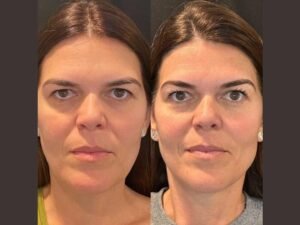
A rhinoplasty consultation is an important opportunity to understand how a nose reshaping procedure may be planned around an individual patient’s anatomy, facial proportions, and personal goals. Rather than focusing only on the appearance of the nose, the discussion can cover nasal structure, breathing, previous procedures, preferred changes, surgical techniques, expected outcomes, and practical considerations.
For patients considering Rhinoplasty dubai, preparing questions before the appointment can make the consultation more productive. A detailed consultation should give patients an opportunity to explain what they would like to change while allowing the surgeon to assess whether those goals are appropriate for their particular nasal structure.
Dr. Shahram Sajjadi’s rhinoplasty information describes consultation as a stage where medical history, nasal anatomy, facial proportions, photographs, treatment options, surgical techniques, and expected outcomes can be discussed.
Discuss Your Main Reasons for Considering Rhinoplasty
The first topic patients should discuss is why they are considering rhinoplasty. Some people may be primarily concerned about the appearance of their nose, while others may have breathing-related concerns or a combination of aesthetic and functional objectives.
Patients may want to discuss concerns such as:
- A prominent or uneven nasal bridge
- Nasal width
- Nasal tip shape
- Tip projection or rotation
- Nasal asymmetry
- Overall nasal proportions
- The relationship between the nose and other facial features
- Previous nasal injury
- Breathing concerns
Explaining the specific features that attract your attention can help the surgeon understand what you would like to address.
Instead of simply saying that you want a “smaller nose,” it can be more helpful to describe which parts of the nose you would like to change. This gives the consultation a more precise starting point.
Explain Your Aesthetic Goals Clearly
Every patient can have a different idea of what an attractive or proportionate nose looks like. Some may prefer subtle refinement, while others may want a more noticeable change in the bridge, tip, or overall shape.
Patients should therefore explain their preferred aesthetic direction during the consultation.
Dr. Shahram Sajjadi’s published guidance recommends using the consultation to clearly define aesthetic goals and discuss the nasal-facial relationship. The surgeon can then assess these preferences in relation to the patient’s individual anatomy.
It can also be useful to bring examples of nose shapes you like, particularly when those examples help explain your preferences. However, the discussion should focus on the features you like about those examples rather than assuming that another person’s nose can be reproduced exactly.
Discuss Your Facial Proportions
The nose does not exist independently from the rest of the face. Its size, projection, width, and profile can affect how the forehead, cheeks, lips, and chin appear in relation to one another.
During consultation, patients can ask how their existing facial proportions influence the proposed treatment plan.
The surgeon may assess the nose from the front, side, and oblique perspectives to understand its relationship with surrounding features. This can help establish whether the planned changes should be subtle, structural, or focused on a particular area.
Dr. Sajjadi’s rhinoplasty information explains that facial proportions and nasal anatomy are considered when developing a personalised approach.
Discussing facial proportions is particularly useful for patients who want a natural-looking result that complements their existing features.
Ask About Your Nasal Anatomy
A rhinoplasty consultation should include an assessment of the underlying nasal structure. Patients can ask the surgeon to explain what was observed during the examination and how those findings may influence the procedure.
Important anatomical factors can include the nasal bones, cartilage, septum, nasal tip, skin thickness, soft-tissue envelope, and nasal airway.
For example, cartilage strength can influence how the tip is reshaped, while the structure of the nasal bones can affect the approach to bridge modification. Skin thickness may also influence how clearly changes to the underlying framework become visible.
Dr. Sajjadi’s published guidance states that nasal composition, skin thickness, and cartilage strength are evaluated when determining a suitable approach.
Understanding these details can help patients see why rhinoplasty is highly individualised.
Discuss Breathing and Nasal Function
Even when the main reason for surgery is aesthetic, patients should tell the surgeon about any breathing concerns.
Symptoms such as difficulty breathing through one or both sides of the nose, persistent nasal blockage, or a history of nasal trauma may be relevant to the assessment.
The surgeon may evaluate internal nasal structures, including the septum and nasal airway, as part of the consultation.
Dr. Sajjadi’s rhinoplasty guide explains that patients should discuss goals relating to both appearance and breathing during consultation.
This information can help the surgeon determine whether functional considerations need to be incorporated into the overall treatment plan.
Tell the Surgeon About Previous Nasal Surgery
A history of previous nasal surgery is particularly important. Patients should provide details of any previous rhinoplasty, septoplasty, nasal reconstruction, or other procedures involving the nose.
Previous surgery can change the underlying anatomy and may affect the structures available for further reshaping.
Patients should also mention previous nasal injuries or fractures, even if those injuries occurred years earlier. Trauma can affect the position of the nasal bones, cartilage, and septum.
Dr. Sajjadi’s consultation guidance specifically includes previous surgeries and nasal trauma among the information that should be reviewed before rhinoplasty planning.
Review Your Medical History
Patients should provide an accurate medical history during the consultation. This includes existing medical conditions, previous treatments, allergies, and relevant medications.
Information about vitamins, herbal supplements, alcohol, tobacco, and other substances may also be relevant to the medical assessment.
The purpose of discussing this information is to give the surgical team a complete understanding of the patient’s circumstances before treatment is planned.
Dr. Sajjadi’s rhinoplasty guide lists medical conditions, drug allergies, medications, supplements, alcohol and tobacco use, and previous surgeries among the subjects patients should be prepared to discuss.
Being open about medical history allows the surgeon to determine what additional assessments or preparation may be appropriate.
Ask Which Rhinoplasty Technique Is Being Considered
Patients can ask which surgical technique the surgeon recommends and why it is appropriate for their anatomy.
Rhinoplasty may be performed using different approaches, including open and closed techniques. The choice depends on factors such as the areas requiring modification, the complexity of the structural work, and the surgeon’s assessment.
In an open approach, the surgeon has additional access to the nasal framework through an incision involving the columella. A closed approach uses incisions within the nostrils.
Dr. Sajjadi’s recent guidance explains that the choice between open and closed rhinoplasty depends on individual needs and the nature of the planned changes.
Rather than asking which technique is universally better, patients can ask why a particular approach has been selected for their nose.
Ask About Bridge and Nasal Tip Changes
If the bridge or nasal tip is a particular concern, patients should discuss these areas specifically.
For the bridge, questions can cover whether the nasal bones, cartilage, or both contribute to its appearance. Patients can also ask whether the proposed treatment involves reducing, reshaping, straightening, or augmenting the bridge.
For the nasal tip, discussion may include projection, rotation, width, definition, and symmetry.
The surgeon can explain which structures are responsible for the patient’s current nasal shape and what type of modification may be appropriate.
This detailed conversation can make the treatment plan easier to understand than discussing the nose only as a single structure.
Discuss Digital Imaging and Photographs
Photographs are commonly used during rhinoplasty assessment. Multiple views can help the surgeon examine facial proportions, nasal symmetry, bridge shape, tip position, and profile.
Some consultations may also involve digital imaging or computer-based simulations. These tools can help patients and surgeons discuss possible directions for treatment.
However, patients should understand that computer simulations are planning and communication tools rather than exact predictions of the final appearance. Dr. Sajjadi’s rhinoplasty consultation information describes photographic and 3D imaging as tools that can support treatment discussions while recognising that individual healing can influence the final result.
Patients can therefore ask what the images represent and how they are being used during the planning process.
Ask What Changes Are Realistic for Your Anatomy
A useful consultation should involve an honest conversation about what can realistically be achieved.
Patients may have a particular reference image in mind, but their nasal structure, skin characteristics, facial proportions, and existing anatomy may differ from the person in the photograph.
Dr. Sajjadi’s guidance emphasises discussing goals alongside anatomical limitations and achievable outcomes during consultation.
Patients can ask questions such as:
- Which changes are realistic for my nose?
- Which features can be refined?
- How might my facial proportions influence the final design?
- Are my preferred changes compatible with my nasal structure?
- What approach would you recommend for my anatomy?
These questions encourage a practical discussion between patient and surgeon.
Ask About the Expected Surgical Plan
Once the examination is complete, patients can ask the surgeon to explain the proposed treatment plan in understandable terms.
The discussion may cover which parts of the nose are expected to be modified and whether the procedure will involve the bridge, tip, septum, nasal bones, or other structures.
It can also be useful to ask why each proposed change is being considered.
Understanding the reasoning behind the surgical plan helps patients connect their original concerns with the recommended approach.
Discuss Recovery and Follow-Up Appointments
Although the main focus of consultation is treatment planning, patients should also discuss the expected recovery process and follow-up schedule.
Ask how long the initial recovery period is expected to take, when routine activities may be resumed, and how frequently follow-up appointments are normally scheduled.
Patients travelling to Dubai specifically for surgery should discuss the complete timeline before making travel arrangements.
Dr. Sajjadi’s rhinoplasty consultation guidance notes that international patients should consider the time required for pre-operative assessment, surgery, and follow-up before travelling home.
Having this information in advance can make logistical planning easier.
Discuss the Rhinoplasty Cost in Dubai
Cost is another practical subject patients should discuss during consultation. When researching Rhinoplasty Cost in dubai, it is important to understand what the quoted amount relates to and whether the price reflects the specific surgical plan.
Different patients may require different approaches depending on their anatomy and treatment objectives. Primary rhinoplasty, revision surgery, structural nasal reshaping, and procedures involving functional considerations may involve different levels of planning.
Dr. Sajjadi’s current rhinoplasty page states that consultation includes discussion of technique and rhinoplasty cost, with the treatment plan tailored to the patient’s circumstances.
Patients can ask for a clear explanation of the expected costs and what is included in the proposed treatment.
Ask About the Surgeon’s Rhinoplasty Experience
The consultation is also an opportunity to understand the surgeon’s experience with rhinoplasty.
Patients may ask about the surgeon’s training, qualifications, experience with primary and revision rhinoplasty, and experience with cases involving concerns similar to their own.
It can also be useful to ask whether the surgeon can show examples of previous rhinoplasty cases that demonstrate the type of work being discussed.
Dr. Sajjadi’s published patient guidance recommends considering specialist training, experience with rhinoplasty, credentials, and the ability to communicate the surgical plan clearly when evaluating a surgeon.
The goal of these questions is to help patients understand the professional background and experience relevant to their procedure.
Prepare a List of Questions Before the Appointment
It is easy to forget important questions during a consultation, particularly when many details are discussed at once. Preparing a written list beforehand can help patients cover their priorities.
Questions may include:
- What changes would you recommend for my nose?
- How does my nasal anatomy affect the treatment?
- Which rhinoplasty approach do you recommend?
- Why is that technique suitable for me?
- How will my facial proportions be considered?
- Will my breathing be assessed?
- What changes can realistically be achieved?
- How long should I plan to stay in Dubai?
- What follow-up appointments will I need?
- What factors determine my Rhinoplasty Cost in dubai?
Dr. Sajjadi’s consultation guidance similarly encourages patients to arrive prepared to discuss their goals, medical history, previous treatments, and available surgical options.
How the Consultation Becomes a Personalised Treatment Plan
A consultation should bring together the patient’s concerns and the surgeon’s anatomical assessment.
The patient explains what they would like to change. The surgeon examines the external and internal nasal structures, evaluates facial proportions, reviews medical history, and considers the available techniques.
From this information, a personalised treatment plan can be developed.
For patients considering Rhinoplasty dubai, this individualised process is important because the same procedure cannot be applied identically to every nose. Dr. Sajjadi’s current information states that treatment is tailored to the patient’s goals, nasal anatomy, and facial structure.
Conclusion
A rhinoplasty consultation is much more than a brief discussion about changing the appearance of the nose. It is an opportunity to review nasal anatomy, facial proportions, breathing concerns, medical history, previous procedures, aesthetic preferences, surgical techniques, expected outcomes, recovery planning, and cost.
Patients considering Rhinoplasty dubai should clearly explain what they would like to change and ask how their individual anatomy affects the proposed approach. Discussing the nasal bridge, tip, width, profile, septum, skin characteristics, and relationship between the nose and surrounding facial features can help create a clearer treatment plan.
It is equally important to discuss practical matters such as the recommended technique, follow-up schedule, travel arrangements, and Rhinoplasty Cost in dubai. A thorough consultation with Dr. Shahram Sajjadi provides an opportunity to explore these subjects and understand how a rhinoplasty plan can be tailored to the patient’s individual anatomy and objectives.
FAQs
What should I discuss during a rhinoplasty consultation?
Patients should discuss their aesthetic goals, breathing concerns, medical history, previous nasal surgery or trauma, medications, desired changes, and expectations. The consultation should also cover nasal anatomy, treatment options, surgical technique, recovery planning, and cost.
Why is the first rhinoplasty consultation important?
The consultation provides an opportunity for the surgeon to examine the nose, understand the patient’s goals, assess facial proportions, review medical history, and develop an individualised treatment plan.
Should I bring photographs of noses I like?
Yes, reference photographs can help explain your aesthetic preferences. However, the surgeon should assess whether the characteristics shown in those photographs are appropriate for your own nasal anatomy and facial proportions.
Should I discuss breathing problems during my consultation?
Yes. Any concerns about nasal breathing should be mentioned. The surgeon can assess the internal nasal structures and determine whether functional considerations should form part of the treatment plan.
What medical information should I provide?
Patients should discuss relevant medical conditions, allergies, medications, supplements, previous treatments, previous surgeries, and other information requested by the surgical team.
Should I tell the surgeon about previous nasal surgery?
Yes. Previous rhinoplasty, septoplasty, nasal reconstruction, or nasal trauma can affect the existing anatomy and should be discussed before a new treatment plan is developed.
How does nasal anatomy affect rhinoplasty planning?
The nasal bones, cartilage, septum, skin thickness, soft tissue, and internal nasal structures can all influence the surgical approach. These factors help determine which areas can be reshaped and which technique may be appropriate.
Should I ask whether open or closed rhinoplasty is better?
Rather than asking which technique is generally better, ask which approach is appropriate for your anatomy and planned changes. Open and closed rhinoplasty provide different forms of surgical access, and the choice depends on individual circumstances.
Can facial proportions be discussed during a rhinoplasty consultation?
Yes. Facial proportions are an important part of treatment planning. The surgeon can assess how the nose relates to the forehead, cheeks, lips, chin, and other facial features when discussing the desired changes.
Can digital imaging be used during consultation?
Digital imaging may be used to help patients and surgeons communicate about potential changes. It should be understood as a planning and discussion tool rather than an exact representation of the final result.
What should I ask about the expected result?
You can ask which changes are realistic for your anatomy, how the proposed treatment may alter the nose, and how your facial proportions will be considered. A detailed discussion can help establish appropriate expectations.
Should I ask about recovery during the consultation?
Yes. Patients can ask about the expected recovery timeline, follow-up appointments, activity restrictions, and when routine activities may normally be resumed. Patients travelling from outside Dubai should also discuss the recommended time before travelling home.
What should I ask about Rhinoplasty Cost in Dubai?
Ask what factors determine the quoted cost, what is included in the treatment plan, and whether additional consultations or procedures are relevant to your case. The exact cost can vary according to the individual surgical plan.
How can I prepare for a rhinoplasty consultation with Dr. Shahram Sajjadi?
Prepare a list of your concerns, desired changes, medical history, previous nasal procedures, medications, and questions about the surgical approach. Bringing reference photographs can also help communicate your aesthetic preferences.
How does the surgeon develop a personalised rhinoplasty plan?
The surgeon combines information from the consultation, physical examination, nasal anatomy assessment, facial proportions, medical history, and the patient’s goals. These factors help determine the appropriate surgical approach and treatment objectives.
What questions should I ask about the surgeon’s experience?
Patients can ask about relevant qualifications, rhinoplasty experience, experience with procedures similar to their own, and examples of previous cases. These questions can help patients understand the surgeon’s professional experience before making treatment decisions.