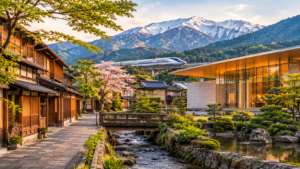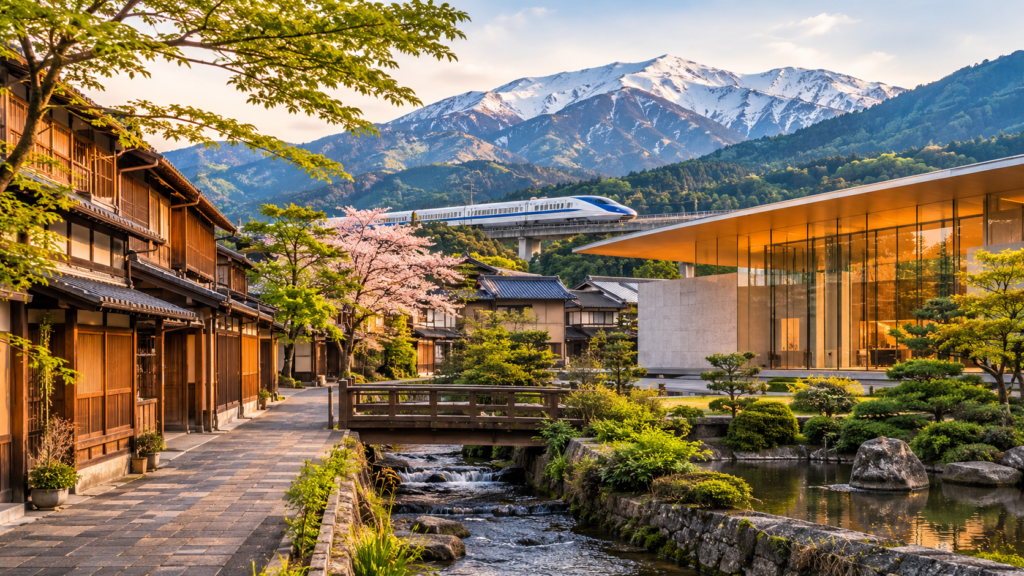
Japan’s Hokuriku region is quietly becoming one of the country’s most rewarding destinations for travelers who appreciate thoughtful design, traditional craftsmanship, and contemporary architecture. Stretching along the Sea of Japan and including Ishikawa, Toyama, and Fukui prefectures, Hokuriku offers a refreshing alternative to the well-traveled routes of Tokyo, Kyoto, and Osaka.
Rather than rushing between famous landmarks, this region invites visitors to slow down and experience spaces where centuries-old craftsmanship meets modern creativity. Elegant museums, beautifully preserved historic districts, artisan workshops, boutique hotels, and carefully designed gardens create an unforgettable journey for anyone interested in aesthetics and culture.
If you’re interested in design-inspired Japan travel, this guide will help you with planning a Hokuriku itinerary that combines art, architecture, local craftsmanship, and authentic cultural experiences. Whether you’re visiting for four days or a full week, this Hokuriku travel guide will help you discover one of Japan’s most inspiring regions.
Why Hokuriku Is Japan’s Hidden Destination for Design Lovers
Unlike Japan’s busiest tourist destinations, Hokuriku feels calm and unhurried. The region has long been known for its master artisans, whose work includes lacquerware, gold leaf, ceramics, wood carving, glassmaking, and handmade paper.
What makes Hokuriku special is that creativity isn’t limited to museums. Design is part of everyday life here. Traditional townhouses, modern train stations, carefully landscaped gardens, boutique accommodations, and even local cafés reflect an appreciation for craftsmanship and thoughtful detail.
Visitors quickly notice how seamlessly contemporary architecture coexists with centuries-old traditions. This balance creates a travel experience that feels authentic rather than staged, allowing you to appreciate both history and innovation throughout your journey.
For travelers looking beyond Japan’s classic sightseeing routes, Hokuriku delivers a richer understanding of Japanese design philosophy.
Planning a Hokuriku Itinerary That Balances Art, Nature, and Culture
The easiest way to explore Hokuriku is by rail, beginning from Tokyo via the Hokuriku Shinkansen. The route itself is part of the experience, connecting modern cities with peaceful mountain landscapes and coastal scenery.
A well-balanced itinerary might include:
- Day 1–2: Kanazawa
- Day 3: Toyama
- Day 4: Takaoka
- Day 5: Eiheiji or Fukui
- Optional extra days exploring nearby craft villages and coastal towns
Avoid trying to see everything at once. One of the greatest pleasures of planning a Hokuriku itinerary is leaving enough time to enjoy museums slowly, participate in workshops, relax in cafés, and wander historic streets without rushing.
Traveling outside peak holiday periods also allows for a quieter experience, making galleries and cultural sites feel even more personal.
Explore Kanazawa’s Perfect Blend of Tradition and Contemporary Design
Kanazawa is often considered the creative heart of Hokuriku.
Although famous for Kenroku-en Garden and the preserved Higashi Chaya District, the city offers much more for design enthusiasts.
The 21st Century Museum of Contemporary Art showcases innovative exhibitions inside one of Japan’s most celebrated architectural spaces. The building itself encourages visitors to interact with art from multiple perspectives, making architecture part of the experience.
Nearby, traditional workshops continue producing Kanazawa’s world-famous gold leaf. Many studios welcome visitors to observe artisans at work or even create their own decorative pieces.
Walking through Kanazawa reveals another layer of thoughtful design. Narrow stone streets, restored wooden houses, minimalist cafés, boutique hotels, and elegant shops create an atmosphere where old and new exist in harmony.
Food presentation is equally impressive. Local restaurants emphasize seasonal ingredients served on handcrafted ceramics that reflect generations of artistic tradition.
For anyone interested in design-inspired Japan travel, Kanazawa alone could easily justify several days.
Discover Hokuriku’s Rich Craft Heritage Beyond Kanazawa
While Kanazawa attracts much of the attention, the surrounding region offers equally rewarding experiences.
Toyama is known for contemporary architecture, beautiful glass art, and an impressive waterfront cityscape. The Toyama Glass Art Museum perfectly illustrates how modern architecture can celebrate local craftsmanship while providing inspiring exhibition spaces.
Takaoka has produced bronze castings for over four hundred years. Today, visitors can tour artisan workshops where traditional casting techniques continue alongside modern sculpture and interior design.
Further south, Echizen in Fukui Prefecture remains one of Japan’s oldest paper-making centers. Handmade washi paper created here is still used by artists, designers, and calligraphers throughout the country.
Ceramics also play an important role across Hokuriku, with local kilns preserving techniques passed down through generations. Many studios invite visitors to participate in pottery workshops, offering a deeper appreciation for Japanese craftsmanship.
These smaller destinations reveal why the region has become increasingly respected among architects, designers, and creative professionals worldwide.
Stay in Beautifully Designed Accommodations That Reflect Local Character
Accommodation is an essential part of the experience when exploring Hokuriku.
Rather than choosing large international hotels, consider staying in boutique ryokan, renovated machiya townhouses, or modern design hotels inspired by regional materials and traditions.
Many properties incorporate locally crafted furniture, handmade ceramics, washi lighting, and natural wood interiors. Every detail—from the entrance to the guest rooms—is designed to create a calming atmosphere rooted in Japanese aesthetics.
Traditional inns often feature private gardens, seasonal cuisine, and relaxing hot spring baths that encourage guests to slow down after a day of sightseeing.
Even newly built accommodations frequently collaborate with local artisans, ensuring that the region’s creative heritage continues to thrive in contemporary hospitality.
These thoughtfully designed spaces transform overnight stays into memorable cultural experiences rather than simply places to sleep.
Practical Tips for a Memorable Design-Inspired Japan Travel Experience
A successful design-focused trip isn’t about checking famous attractions off a list. It’s about paying attention to details that many travelers overlook.
Spend extra time inside museums instead of rushing through exhibitions.
Visit local galleries where emerging artists display their work.
Join craft workshops whenever possible to better understand the skills behind traditional Japanese design.
Support independent shops selling handmade goods instead of mass-produced souvenirs.
Travel by train whenever possible. The scenic journeys through mountains, rivers, and coastal landscapes become an important part of the overall experience.
Allow flexibility in your schedule for unexpected discoveries. Some of Hokuriku’s most memorable moments happen while wandering quiet neighborhoods, finding hidden cafés, or chatting with local artisans.
Most importantly, embrace a slower pace. Hokuriku rewards curiosity, patience, and appreciation for craftsmanship far more than hurried sightseeing.
Final Thoughts
For travelers seeking something beyond Japan’s most famous destinations, Hokuriku offers an inspiring journey through architecture, craftsmanship, and timeless design. Every city, workshop, museum, and historic street tells a story about creativity shaped by generations of skilled artisans.
Whether you’re admiring contemporary museum architecture in Kanazawa, watching bronze casting in Takaoka, exploring glass art in Toyama, or learning traditional papermaking in Fukui, you’ll discover that Hokuriku celebrates beauty in both everyday objects and extraordinary spaces.
If you’re considering design-inspired Japan travel, few regions provide such a balanced combination of heritage, innovation, and authentic cultural experiences. With thoughtful planning a Hokuriku itinerary, you’ll enjoy a rewarding journey filled with inspiring architecture, remarkable craftsmanship, and unforgettable discoveries.
This Hokuriku travel guide is only the beginning—once you experience the region’s creative spirit, you’ll likely find yourself planning your return before you’ve even left.