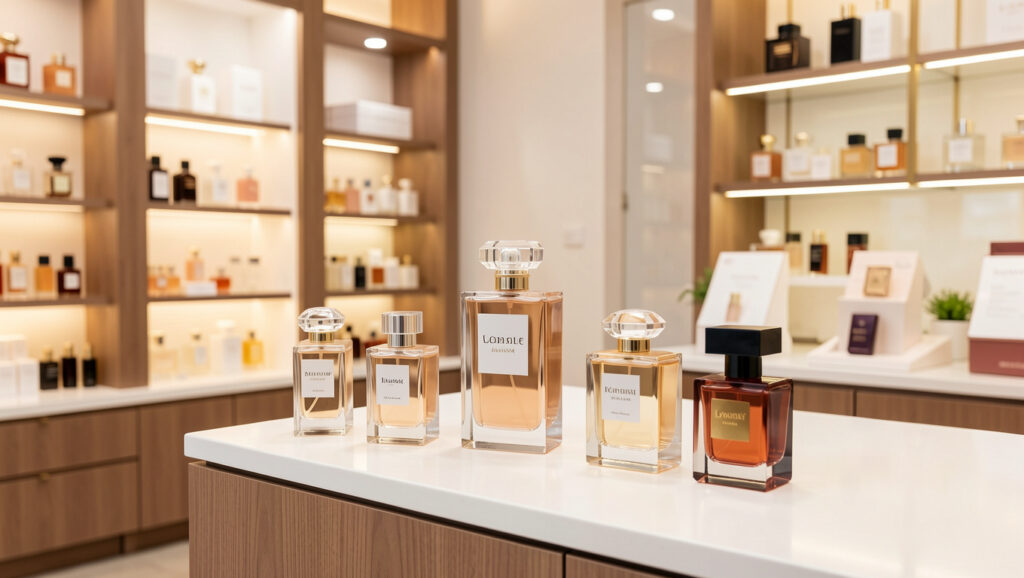
The perfume industry is one of the most exciting and profitable sectors within the beauty and personal care market. Fragrances are more than just scented products; they represent personality, luxury, confidence, and lifestyle. With growing consumer demand for unique and premium scents, many entrepreneurs are exploring opportunities to launch their own perfume manufacturing businesses.
However, starting a perfume business involves much more than creating a pleasant fragrance. Successful perfume manufacturers must understand product development, branding, packaging, legal requirements, marketing, and customer preferences. By combining creativity with sound business planning, entrepreneurs can establish a competitive and sustainable perfume brand in the UK market.
This article explores the key steps perfume manufacturers take when starting their business and how they build successful fragrance brands.
Understanding the Perfume Industry
Before launching a perfume business, it is important to understand how the industry operates.
The perfume market includes:
- Luxury fragrances
- Designer perfumes
- Niche perfumes
- Natural fragrances
- Celebrity-branded scents
- Home fragrance products
Successful manufacturers analyse:
- Consumer trends
- Competitor products
- Pricing structures
- Target demographics
Research helps identify gaps in the market and opportunities for differentiation.
Developing a Business Plan
Every successful perfume manufacturer starts with a detailed business plan.
A business plan should outline:
Business Goals
- Brand vision
- Target audience
- Revenue objectives
Product Strategy
- Fragrance categories
- Product range
- Pricing plans
Financial Planning
- Startup costs
- Manufacturing expenses
- Marketing budgets
Growth Plans
- Online sales
- Retail partnerships
- Export opportunities
A clear business plan provides direction and helps attract investors if funding is required.
Choosing a Target Market
One of the first decisions perfume manufacturers make is identifying their target audience.
Potential customer groups include:
- Men
- Women
- Teenagers
- Luxury buyers
- Eco-conscious consumers
- Gift shoppers
Understanding the target audience influences:
- Fragrance creation
- Packaging design
- Marketing messages
- Pricing strategy
Brands that clearly define their audience often achieve stronger customer engagement.
Creating Unique Fragrances
The fragrance itself is the foundation of the business.
Manufacturers typically work with:
- Professional perfumers
- Fragrance chemists
- Essential oil suppliers
The perfume creation process includes:
- Selecting fragrance notes
- Testing scent combinations
- Evaluating longevity
- Refining formulations
Most perfumes consist of:
Top Notes
The initial scent customers smell immediately after application.
Middle Notes
The heart of the fragrance that develops after the top notes fade.
Base Notes
The lasting scent that remains for hours.
Creating a distinctive fragrance helps businesses stand out in a crowded marketplace.
Sourcing Quality Ingredients
Ingredient quality significantly impacts perfume performance.
Manufacturers often source:
- Essential oils
- Aroma compounds
- Alcohol bases
- Natural extracts
High-quality ingredients help improve:
- Fragrance longevity
- Product consistency
- Customer satisfaction
Reliable suppliers are essential for maintaining quality standards and production efficiency.
Understanding Legal Requirements
Perfume manufacturers in the UK must comply with various regulations.
Important considerations include:
- Product safety assessments
- Cosmetic regulations
- Ingredient disclosure requirements
- Labelling standards
Businesses should ensure all products meet current UK cosmetic regulations before entering the market.
Working with regulatory consultants can help avoid compliance issues and costly mistakes.
Creating a Strong Brand Identity
Branding is a crucial part of building a successful perfume company.
A strong brand identity includes:
- Brand name
- Logo design
- Colour palette
- Brand story
- Marketing message
Customers often connect emotionally with fragrance brands.
Strong branding helps businesses:
- Build trust
- Increase recognition
- Differentiate from competitors
A compelling brand story can be just as important as the fragrance itself.
Designing Professional Packaging
Packaging plays a major role in perfume sales.
Customers often associate packaging quality with product quality.
Effective perfume packaging should:
- Protect the bottle
- Reflect the brand image
- Create visual appeal
- Enhance the customer experience
Many growing fragrance brands invest in custom perfume box packaging to create a premium appearance and strengthen their brand identity.
Luxury packaging can significantly influence purchasing decisions, especially in retail environments.
Finding Manufacturing Solutions
Perfume businesses can choose between:
In-House Manufacturing
Advantages:
- Greater control
- Custom production processes
- Flexible product development
Challenges:
- Higher startup costs
- Equipment investment
- Production expertise required
Contract Manufacturing
Advantages:
- Lower setup costs
- Faster production
- Access to industry expertise
Challenges:
- Less direct control
- Dependence on external partners
Many new perfume brands begin with contract manufacturing before expanding production capabilities.
Building an Online Presence
A professional online presence is essential in today’s market.
A perfume brand’s website should include:
- Product descriptions
- Brand story
- Customer reviews
- Secure purchasing options
- Contact information
Online visibility helps businesses:
- Reach wider audiences
- Increase sales opportunities
- Build credibility
Search engine optimisation (SEO) can also improve website traffic and brand awareness.
Using Social Media Marketing
Social media platforms are powerful tools for perfume marketing.
Popular platforms include:
- TikTok
- YouTube
Businesses can share:
- Product launches
- Behind-the-scenes content
- Fragrance stories
- Customer testimonials
- Educational content
Visual platforms are particularly effective because perfume marketing relies heavily on aesthetics and lifestyle branding.
Building Retail Partnerships
Many perfume manufacturers expand through retail partnerships.
Potential sales channels include:
- Beauty shops
- Department stores
- Boutique retailers
- Gift shops
- Online marketplaces
Retail partnerships help increase:
- Brand exposure
- Sales volume
- Customer trust
Strong relationships with retailers can support long-term growth.
Investing in Quality Packaging and Presentation
Presentation often influences customer perception before they experience the fragrance.
Businesses seeking professional packaging solutions frequently work with suppliers offering custom packaging UK services to ensure consistent quality and branding.
Premium packaging can:
- Increase perceived value
- Support luxury positioning
- Improve customer satisfaction
The unboxing experience has become an important aspect of modern product marketing.
Managing Costs and Profitability
Successful perfume manufacturers carefully monitor expenses.
Key cost areas include:
- Raw materials
- Packaging
- Manufacturing
- Marketing
- Shipping
Maintaining profitability requires balancing quality with operational efficiency.
Businesses should regularly review pricing strategies and production costs.
Common Challenges New Perfume Manufacturers Face
Strong Competition
The fragrance market contains many established brands.
Marketing Costs
Building awareness often requires ongoing investment.
Regulatory Compliance
Meeting legal requirements can be complex.
Customer Acquisition
Attracting first-time buyers requires effective branding and promotion.
Understanding these challenges helps businesses prepare more effectively.
Tips for Long-Term Success
Perfume manufacturers can improve their chances of success by focusing on:
- Consistent product quality
- Strong branding
- Customer satisfaction
- Market research
- Effective marketing
- Professional packaging
Listening to customer feedback and adapting to market trends can also support long-term growth.
Final Thoughts
Starting a perfume manufacturing business requires a combination of creativity, planning, and strategic decision-making. From developing unique fragrances and sourcing quality ingredients to building a strong brand and creating attractive packaging, every step contributes to business success.
The most successful perfume manufacturers understand that customers buy more than a fragrance—they buy an experience, a story, and a brand they trust. By focusing on quality, innovation, and customer engagement, entrepreneurs can build a profitable perfume business and establish a lasting presence in the competitive UK fragrance market.