Custom embroidered apparel is a popular choice for businesses, clothing brands, sports teams, schools, and promotional product companies. From branded polo shirts to embroidered caps and jackets, embroidery adds a professional appearance and helps designs stand out. However, achieving clean and consistent results requires more than attractive artwork and a good embroidery machine. The quality of the digitized design also plays an important role.
Professional embroidery digitizing transforms ordinary artwork into stitch instructions that an embroidery machine can follow. With the right stitch types, density, direction, and sewing sequence, businesses can produce embroidered designs that look professional and remain consistent across different products.
What Is Embroidery Digitizing?
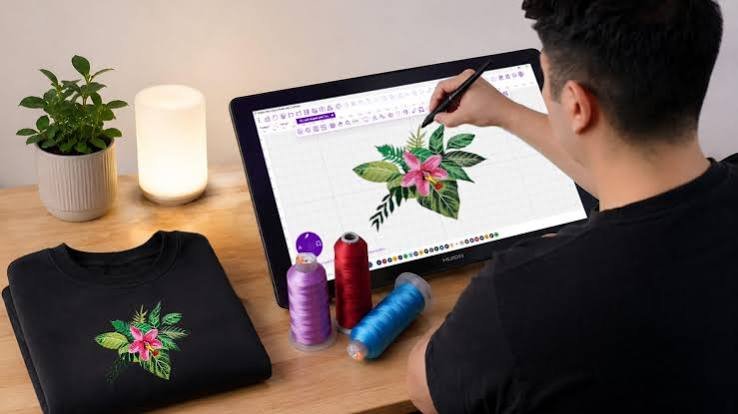
Embroidery digitizing is the process of converting a digital image, logo, or illustration into a machine-readable embroidery file. Unlike a standard image file, an embroidery file contains information about how the machine should stitch the design onto fabric.
A digitizer considers several technical factors during this process, including stitch direction, underlay, thread density, design size, and fabric characteristics. These details help determine how the finished embroidery will look and perform.
For example, a business logo embroidered on a polo shirt may require different settings from the same logo stitched onto a structured cap. Each material and placement creates different production challenges, making custom digitizing an important part of the embroidery process.
Why Professional Embroidery Digitizing Matters
1. Produces Cleaner and More Accurate Designs
Small lettering, thin outlines, and detailed graphics can be difficult to reproduce with embroidery. If the stitch settings are incorrect, the finished design may contain gaps, uneven edges, or unclear text.
Professional digitizing helps simplify complicated details where necessary while maintaining the overall appearance of the original artwork. It also helps ensure that different elements connect properly during stitching.
This is particularly important for businesses that use embroidered logos on uniforms, promotional products, and branded merchandise.
2. Helps Reduce Production Problems
Incorrect stitch density, poor sequencing, and unsuitable underlay can cause thread breaks, fabric puckering, and unnecessary stitching. These problems may lead to wasted materials and additional production time.
Experienced digitizers plan stitch paths according to the design and its intended application. Although machine settings, stabilizers, needles, and thread quality also affect the outcome, a well-prepared file can help reduce avoidable embroidery problems.
3. Supports Consistent Branding
Companies often need the same logo embroidered on hundreds of shirts, caps, jackets, or bags. Maintaining a consistent appearance across these products is essential for professional branding.
A properly prepared embroidery file helps businesses reproduce the same design more consistently. Once the file has been tested and approved for a particular garment and size, it can be reused for future production runs, provided the material and application remain suitable.
Choosing the Right Embroidery Digitizing Service
Selecting a reliable digitizing provider can make a significant difference to your production workflow. Businesses should consider more than price alone when choosing a service.
Check the Digitizing Quality
Look for a provider that understands stitch types, underlay, density, and pull compensation. These technical elements influence how artwork translates into embroidery.
If possible, review previous samples or request a sew-out of the design before starting a large production order.
Confirm Machine File Compatibility
Different embroidery machines may require different file formats. Common formats include DST, PES, JEF, EXP, and VP3.
Before placing an order, confirm which format your machine requires. Providing this information in advance helps prevent compatibility issues and unnecessary delays.
Consider Turnaround Time and Revisions
Deadlines are important for clothing manufacturers, embroidery shops, and promotional product suppliers. Ask about delivery estimates, revision policies, and the process for reporting problems with a finished file.
Clear communication can help you manage customer expectations and keep production schedules on track.
Applications of Custom Embroidery Digitizing
Professional digitizing supports a wide range of embroidery projects across different industries.
Corporate Uniforms and Workwear
Businesses use embroidered logos on polo shirts, work shirts, jackets, and uniforms to create a consistent brand identity. Digitizing helps prepare these logos for the specific garments and embroidery placements involved.
Custom Caps and Hats
Caps have curved surfaces and limited embroidery areas, which can make detailed designs more challenging. Cap digitizing requires careful planning to help maintain registration and produce a clean result.
Sportswear and Team Apparel
Schools, sports clubs, and athletic organisations frequently use embroidered names, logos, and emblems. A suitable digitized file helps reproduce these designs across team uniforms and related merchandise.
Jackets, Bags, and Promotional Products
Larger designs, including jacket-back artwork, may contain multiple elements and extensive stitching. Proper planning helps manage stitch direction, colour changes, and the overall appearance of the finished product.
Why Businesses in the USA Use Custom Embroidery Digitizing Services
Businesses across the United States rely on embroidered apparel for employee uniforms, events, merchandise, and customer promotions. Many companies work with online digitizing providers because digital file delivery makes it possible to access specialist services without visiting a physical location.
When comparing custom embroidery digitizing services in USA, consider whether the provider can accommodate your artwork, required file format, garment type, design dimensions, and production deadline.
A suitable service should also explain any limitations in the artwork. Very small text, fine lines, gradients, and complex illustrations may need adjustments to work effectively as embroidery.
For businesses looking for a specialist provider, Rise Digitizing’s embroidery digitizing services offer custom digitizing for logos, caps, jacket backs, appliqué, patches, and other embroidery applications.
Working with a provider that understands the technical side of embroidery can help businesses prepare files for their intended production requirements.
How to Prepare Artwork for Embroidery Digitizing
Providing complete project information can make the digitizing process more efficient. Before submitting your design, prepare the following details:
- Artwork: Supply a clear logo or image in a suitable format, such as PNG, JPG, PDF, AI, or EPS.
- Design dimensions: Specify the required width and height of the finished embroidery.
- Fabric type: Identify whether the design will be stitched onto cotton, polyester, fleece, denim, twill, or another material.
- Placement: Explain whether the design is intended for a cap, left chest, sleeve, jacket back, or another location.
- Machine format: Confirm the file format supported by your embroidery machine.
- Colour requirements: Provide brand colours or thread colour references when accurate colour matching is important.
These details help the digitizer make informed decisions about stitch structure and design adjustments.
Common Embroidery Digitizing Mistakes to Avoid
Even attractive artwork can produce disappointing results when the digitizing process is not suited to the intended application.
One common mistake is using excessive detail in a design that will be embroidered at a very small size. Tiny lettering and narrow gaps may not reproduce clearly in thread, so simplifying the artwork can sometimes improve readability.
Another mistake is using the same digitizing settings for every fabric. Different materials behave differently under the needle, and the design may need adjustments to account for fabric movement and thickness.
Finally, skipping a test sew-out can create unnecessary risks during bulk production. Testing the file on the intended fabric with suitable stabilisation helps identify potential issues before multiple garments are embroidered.
Conclusion
Professional embroidery digitizing is an important step in producing attractive, consistent, and production-ready embroidered products. It connects digital artwork with the technical requirements of embroidery machines, helping businesses reproduce logos and custom designs across a variety of garments and materials.
Whether you operate an embroidery shop, manage a clothing brand, or create personalised merchandise, choosing the right digitizing provider and supplying clear project details can improve your workflow and reduce avoidable production issues.
By focusing on stitch quality, machine compatibility, fabric requirements, and proper testing, businesses can get more value from their embroidery projects and create products that represent their brands effectively.