Testing an engine generator’s rated power factor calls for more than a simple resistive load — it requires equipment that can apply both active and reactive load together, closely mirroring how efficiently that generator actually converts load current into real output power. That’s exactly the gap a well-engineered resistive-inductive load bank is designed to close.
A Purpose-Built System for Marine Power Testing
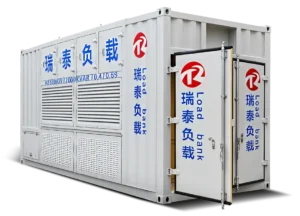
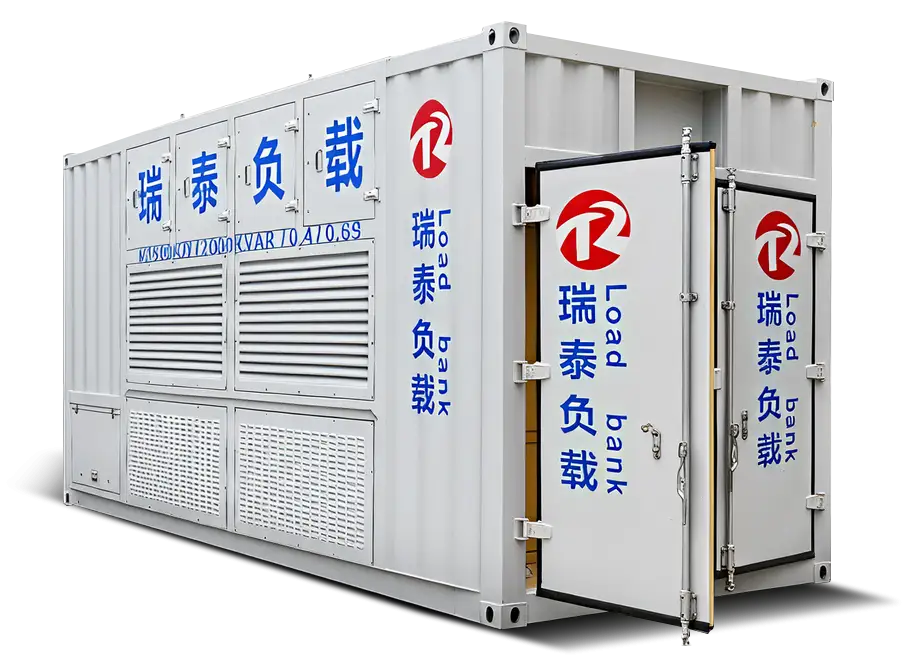
Equipment from an experienced inductive load banks manufacturer — like the 2500kW/2000kvar unit built specifically for radar and marine load test platforms — combines simple operation with high test accuracy, parallel load capacity, and the ability to run continuously without lengthy setup between sessions.
Three Core Systems Working in Tandem
The unit is organized into three main sections: resistive loads, inductive loads, and the control system, working together within a single container-type design rather than requiring separate equipment for each load type. That integration is what lets test engineers apply active and reactive load simultaneously rather than in isolated stages.
Precision That Supports Serious Testing Programs
Loading accuracy holds to within 3%, with three-phase balance kept to an unbalance degree of 3% or better across continuous duty operation. Resistive load steps run down to 1kW resolution, while inductive steps offer 1kvar resolution — a level of granularity that lets engineers dial in test conditions closely rather than working with broad, imprecise increments.
Built to Operate Locally or Remotely
Control flexibility runs through the design, supporting both local panel switching and remote PC operation via Modbus TCP communication and a PLC-based system, complete with load data saving and printing. That combination suits both hands-on field testing and integration into a broader, centrally monitored testing program.

Engineered for Harsh Marine and Industrial Conditions
Built from powder-coated Q235 steel with forced-air cooling and axial fans rated below 80dB at 3 meters, the unit is rated for continuous operation across a demanding ambient range of -20°C to 50°C, up to 100% humidity, and altitudes up to 2,500 meters — conditions that reflect the genuinely varied environments marine and offshore testing equipment actually operates in.
Protection Systems Built Around Real Operating Risk
Protection features cover high temperature, low air volume, phase sequence errors, short circuits, fan interlock failures, and emergency stop functionality, backed by digital metering for voltage, current, power, power factor, and frequency. For equipment meant to meet international, ship, military, and telecommunication standards, that level of built-in protection isn’t optional — it’s the baseline expectation.
Room to Grow as Testing Needs Change
Beyond the standard configuration, the system supports parallel expansion of multiple loads, giving facilities a practical path to scale testing capacity as project requirements grow rather than needing to replace the equipment outright. Combined with a 2-year warranty, ISO 9001/14001 certification, and CE 60204 compliance, it reflects the kind of engineering depth that separates purpose-built marine testing equipment from a generic industrial load bank pressed into service it wasn’t really designed for.