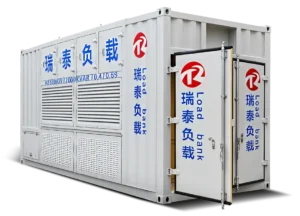
Load bank equipment is one of the more important tools available for checking how well generators, UPS systems, and other backup power sources actually perform. These tests confirm that power systems will hold up properly during outages or periods of unusually high demand — but the load bank itself isn’t immune to problems, and knowing how to work through them matters just as much as running the test in the first place.
When the Load Bank Isn’t Applying the Expected Load
A common issue shows up as lower power readings than what was set, or numbers that drift unstably on the display during a test. This often traces back to loose internal wiring, broken contactors, or damaged load-handling components, and sometimes it’s simply a mismatch between the control settings and what the test actually calls for — particularly when switching between manual and automatic operating modes. Checking wiring connections, confirming the selected load steps, and reviewing control panel settings tends to resolve this before more involved troubleshooting becomes necessary.
When the Readings Themselves Look Wrong
Sometimes the problem isn’t the load at all — it’s the equipment measuring it. Broken current transformers, damaged sensors, or sensors that have drifted out of calibration can all produce readings that look wrong even when the actual load being applied is correct. Since wrong readings can lead to genuinely wrong conclusions about how well a generator or power system is performing, getting the measurement chain right matters as much as the load itself.
Working Through Software and Display Problems
Software bugs, moisture intrusion, or aging display components can all cause a load bank to misbehave in ways that have nothing to do with the electrical load side of the system. Power surges or an improper shutdown sequence can also scramble stored settings. Restarting the equipment, checking the power supply, and reviewing any error messages usually reveals what’s actually going wrong before it becomes necessary to call in outside support.
Understanding Unexpected Shutdowns
When a load bank shuts down unexpectedly, it’s usually a safety feature doing exactly what it’s supposed to do — protecting the equipment from damage. That said, frequent shutdowns point to a deeper issue rather than a one-off event, and repeated safety trips shouldn’t be treated as routine background noise.
Why Equipment Problems Compromise the Whole Test
If the load bank equipment itself has problems, the resulting test data can end up wrong or incomplete — which matters considerably more than it might seem. Bad data from a compromised test can lead directly to poor maintenance decisions, unexpected power failures down the line, or unnecessary downtime chasing a problem that doesn’t actually exist.
Why Selecting the Right Equipment Matters as Much as Troubleshooting It
The selection of appropriate load bank equipment can be technical, but choosing the right load bank equipment manufacturer matters just as much. Businesses working with a reputable, verified manufacturer tend to see a real difference in safety, precision, and durability — which matters considerably for any organization that depends on testing generators, checking power systems, or confirming that backup power will actually be there when it’s needed.
Knowing When to Call in the Manufacturer
Basic troubleshooting resolves plenty of issues, but problems that keep recurring or don’t respond to standard checks are usually a sign to bring in the manufacturer directly. A supplier with genuine technical depth can diagnose deeper hardware or calibration issues that go beyond what routine maintenance can catch, and staying proactive about that support is what keeps a load bank testing program dependable over the long run.