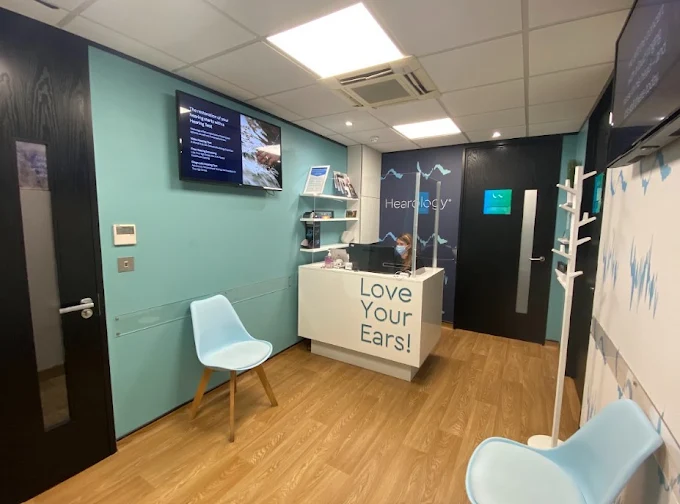
Search for an ear clinic near London Bridge and the map fills with pins: audiologists, pharmacies, high street hearing centres and mobile ear cleaners who come to your home. They aren’t all doing the same thing, and the differences matter when it’s your hearing on the line. Whether you need ear wax removal, a hearing test, or just want to know why one ear has felt odd for a fortnight, a few questions will tell you a lot. As a working example of what to look for, we’ll refer throughout to one established ear clinic in London Bridge, Hearology® London Bridge on Southwark Street.
1. Who will actually see me?
This is the question most people forget to ask. In the UK, ear care can be carried out by people with very different levels of training. Look for:
- Audiologists registered with the Health and Care Professions Council (HCPC) or the Registration Council for Clinical Physiologists (RCCP)
- Nurses registered with the Nursing and Midwifery Council (NMC), ideally with ENT experience
- Hearing aid dispensers, who are HCPC-registered and qualified to test hearing and fit aids, but whose training focuses on dispensing rather than wider ear health
You can check any HCPC or NMC registration online in a couple of minutes.
2. Is the clinic regulated?
Ear wax removal isn’t a regulated activity for every provider, which means anyone can offer it regardless of training. Registration with the Care Quality Commission (CQC) tells you a service has been independently inspected for safety, hygiene and clinical standards. Hearology says it is one of only a small number of audiology providers in the country whose ear care services are CQC-regulated.
3. What equipment do you use?
For ear wax removal, ask whether they use a surgical microscope. The “micro” in microsuction refers to it, and it gives the depth perception needed to work safely near the eardrum. Some providers use magnifying goggles or a camera instead. It’s a quick question, and a confident clinic will answer it without hesitation. Ask about hygiene too: single-use suction tips and instruments should be standard, and a good clinic will be happy to show you the treatment room before you sit down.
4. What’s included in the price?
Headline prices can hide a lot. Ask whether the fee covers both ears, whether a follow-up is included, and what happens if there’s nothing to remove. At Hearology® London Bridge, microsuction ear wax removal is £89 for both ears, with a free follow-up within two weeks. If no wax is found, the appointment becomes an ear health consultation for the same fee.
5. What kind of hearing test do you offer?
“Hearing test” can mean very different things:
- A screening test tells you whether you have hearing loss and roughly how much. It’s what most high street retailers offer, often for free.
- A diagnostic hearing test measures your hearing at a wider range of frequencies and gives much more detail. It’s the better basis for fitting hearing aids and is often needed for occupational health or if you want a copy of your audiogram.
Hearology offers both at London Bridge: a free hearing test that includes a check of eardrum movement (tympanometry), and a £99 diagnostic hearing test with a full audiogram. Its hearing tests are for adults over 18.
6. Will I feel pressured to buy anything?
If there’s any chance you’ll be offered hearing aids, ask about trial periods and aftercare before you go. A clinic confident in its advice will give you time to decide. Hearology offers a 60-day full refund period on hearing aids and doesn’t charge for follow-up tuning and repairs after purchase.
7. How easy is it to get to, and to get an appointment?
Ear problems rarely wait for a convenient week, so same-day availability and Saturday opening make a real difference. The London Bridge clinic is well placed whether you live locally or commute in:
- From London Bridge station: about five minutes on foot, down Borough High Street and right onto Southwark Street
- From Borough tube: around eight minutes’ walk
- From Southwark station: about ten minutes’ walk
- From the City: a ten to fifteen-minute walk across London Bridge from Monument
Hearology® London Bridge is open Monday to Saturday and is wheelchair accessible.
8. What happens if it isn’t a simple wax problem?
A blocked ear can turn out to be an infection, fluid behind the eardrum or a change in hearing. Ask what the clinic does in that situation. Clinics with ENT nurses and clinical audiologists on the team can examine you properly and point you in the right direction, rather than sending you away with no answers. Hearology’s team includes ENT nurse practitioners who can assess ear infections, and it offers ear infection treatment as a separate service.
Why choosing a clinic near work or home matters
It’s tempting to book whichever clinic has the earliest slot, wherever it is. With ear care, being close is genuinely useful. Stubborn wax sometimes needs a second visit, and most good clinics include a free follow-up within a couple of weeks. That only helps if you can easily get back. The same goes for hearing aids, which usually need a few tuning appointments in the first weeks. For anyone who lives or works around London Bridge, a clinic a few minutes from the station means follow-ups fit into a lunch break rather than taking half a day.
Red flags worth walking away from
- No clear answer about who will treat you or what their registration is
- Reluctance to say what equipment they use
- Pressure to book a course of treatments up front
- No explanation of what happens if the procedure can’t be completed
Quick answers
Do I need a referral to see a private ear clinic? No. You can book directly.
How much does a private hearing test cost in London Bridge? Screening tests are often free, while diagnostic tests usually carry a fee. At Hearology London Bridge the diagnostic test is £99.
Should I clear ear wax before a hearing test? It helps. A significant build-up can make a hearing test less accurate, which is easier to deal with when both services are under one roof.
Is ear cleaning covered by private health insurance? Sometimes. Hearology accepts some insurance-funded appointments, so check with your insurer first.
Is an audiologist the same as an ENT doctor? No. Audiologists specialise in hearing and balance assessment and management. ENT doctors are surgeons who treat ear, nose and throat conditions. A good audiology clinic will know when to refer you on.
What should I bring? Any letters or results from previous ear treatment, and a list of any medication you take.