Modern furniture needs to do more than look attractive. It should provide everyday comfort, fit naturally into the room, and adapt to changing household needs. This is especially important in apartments, compact bedrooms, home offices, and multipurpose living areas where available space must be used carefully.
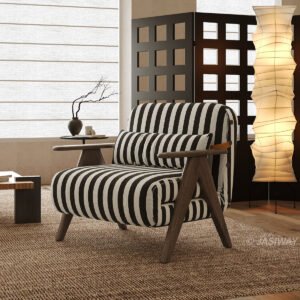
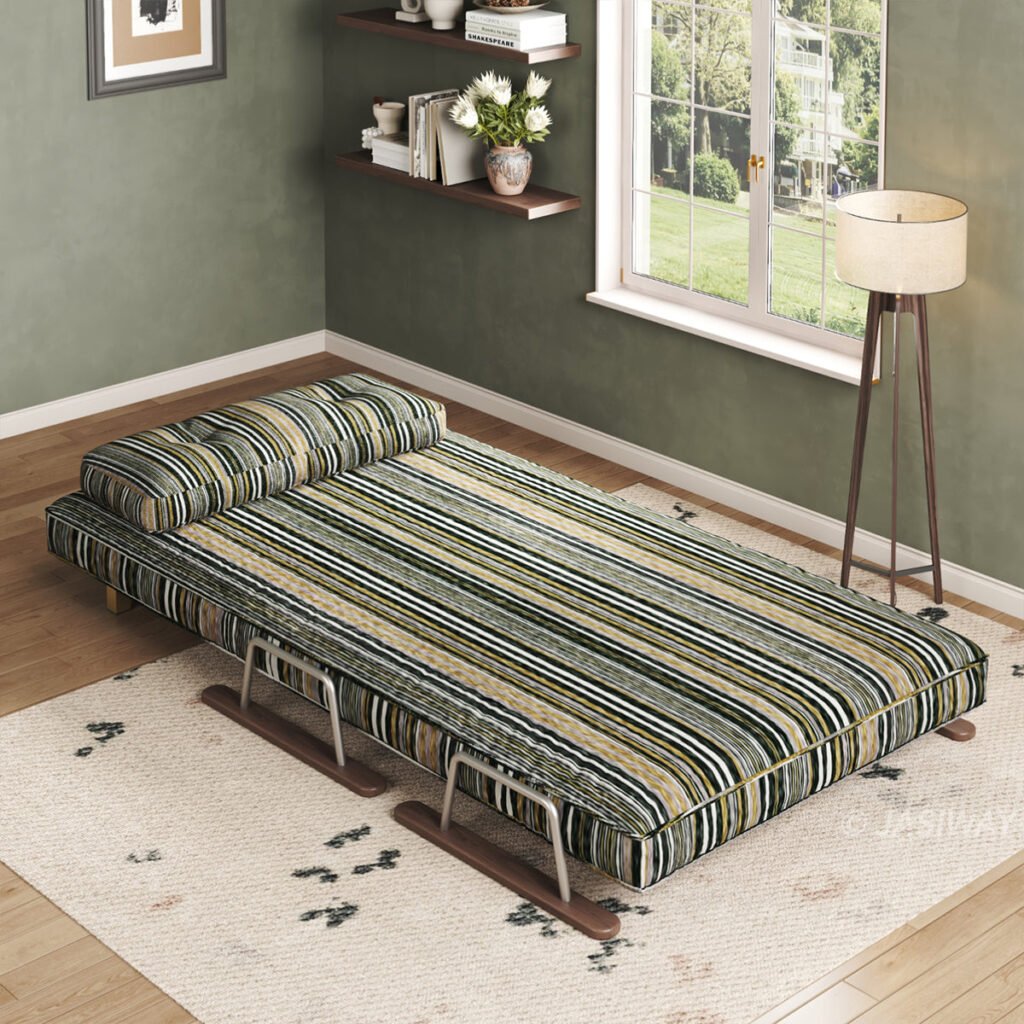
Scandinavian sleeper chairs combine practical functionality with simple shapes, natural materials, and a welcoming appearance. They offer a convenient place to sit during the day and can transform into an additional sleeping surface when guests arrive. Meanwhile, contemporary sleeper chairs feature a broader range of modern designs, including sculptural silhouettes, adjustable backrests, textured upholstery, and streamlined conversion mechanisms.
Both styles help homeowners create comfortable and flexible interiors without relying on bulky furniture.
What Makes Scandinavian Sleeper Chairs Unique?
Scandinavian interior design emphasizes simplicity, functionality, comfort, and a close connection with natural materials. Rather than using excessive decoration, this approach focuses on thoughtful proportions, useful features, and finishes that create a relaxed atmosphere.
Clean Lines and Natural Materials
A Scandinavian-style sleeper chair often features a simple frame, understated arms, and carefully proportioned cushions. Light oak, ash, and warm wood finishes can complement neutral upholstery and create a balanced appearance.
These details help the chair blend into a room without overwhelming the surrounding furniture. A raised base or slim legs can also make the design appear lighter, which is particularly useful in smaller living spaces.
When selecting a model, consider how its frame and upholstery coordinate with existing flooring, shelving, and side tables. Natural materials and complementary finishes can create a cohesive interior without requiring every item to match exactly.
Soft Colors and Comfortable Textures
Scandinavian interiors commonly use shades such as cream, oatmeal, beige, light gray, and muted green. These colors create a calm backdrop and work well with different decorating styles.
Textured upholstery, woven fabrics, and soft cushions can make a sleeper chair feel inviting while preserving its clean appearance. A knitted throw or a simple cushion can add warmth without introducing unnecessary clutter.
The goal is to create furniture that looks comfortable and feels practical enough for everyday use.
Functionality for Everyday Living
A Scandinavian-inspired chair should serve its purpose without making the room feel crowded. Depending on its design, it may unfold into a bed, recline into a lounge position, or use a pull-out mechanism to create a separate sleeping surface.
Before choosing a model, check how easily it converts and whether the extended surface offers suitable support. The most attractive design will not be the best choice if it is difficult to operate or uncomfortable for overnight guests.
Why Contemporary Sleeper Chairs Suit Modern Interiors
Contemporary design encompasses a wide range of current furniture styles. Some designs are minimalist, while others use bold colors, curved forms, or distinctive materials to create a statement.
Contemporary sleeper chairs combine this design flexibility with the convenience of convertible furniture. They can work in homes with modern, industrial, transitional, or eclectic interiors.
Modern Shapes and Distinctive Details
Contemporary chairs may feature rounded backs, broad armrests, geometric forms, or slim metal legs. Some have a compact appearance when closed but provide a surprisingly generous sleeping surface when extended.
These designs allow homeowners to select furniture that reflects their preferences rather than settling for a traditional-looking guest chair.
For a subtle appearance, choose a model with a simple silhouette and neutral fabric. If the room needs a focal point, a chair in a rich color or textured material can provide visual interest.
Adjustable Positions for Greater Flexibility
Some contemporary sleeper chairs offer multiple positions for sitting, reclining, lounging, and sleeping. Adjustable backrests can make it easier to find a comfortable position for reading or relaxing.
Other designs use folding sections or pull-out mattresses to create a more defined sleeping surface. Each mechanism offers different benefits, so consider how frequently the chair will be converted and how much space is available.
A smooth, easy-to-operate mechanism can make the furniture more convenient, especially when it is used regularly.
Upholstery Options for Different Lifestyles
Contemporary designs are available in a variety of upholstery materials, including woven polyester blends, linen-style fabrics, velvet, and textured bouclé. Each material creates a different look and has its own maintenance requirements.
Neutral fabrics can suit understated interiors, while darker shades may be practical for frequently used seating areas. Textured upholstery can add depth without relying on bold patterns.
Consider the room’s lighting, existing furniture, and cleaning requirements before choosing a finish.
Scandinavian vs. Contemporary Sleeper Chairs
Although the two styles can overlap, their design priorities are slightly different.
Scandinavian furniture generally emphasizes natural materials, restrained colors, simple construction, and a relaxed atmosphere. Contemporary furniture has a wider visual range and may include more dramatic shapes, mixed materials, and adjustable features.
A Scandinavian sleeper chair may be the right choice for a home with light wood, neutral walls, and uncluttered rooms. A contemporary model may suit someone who prefers a more expressive design or wants the chair to become a statement piece.
However, the categories are not mutually exclusive. A chair with pale wood legs, cream upholstery, and a streamlined conversion mechanism can combine Scandinavian simplicity with contemporary functionality.
When choosing between them, focus on the design that complements your existing interior and provides the features you need.
Where to Use Scandinavian and Contemporary Sleeper Chairs
One of the main advantages of convertible seating is that it can support different activities in the same room.
Living Rooms
In a living room, a sleeper chair can provide extra seating without taking up the space required for a full-size sofa bed. Place it beside a sofa or near a window to create a separate relaxation area.
A Scandinavian design can complement wooden furniture and soft neutral colors. A contemporary model may introduce contrast through a curved silhouette, darker upholstery, or metal accents.
Make sure the chair has enough clearance to extend fully without blocking a walkway.
Guest Rooms and Spare Bedrooms
A spare bedroom may also function as a home office, hobby room, or reading space. A sleeper chair allows homeowners to maintain useful seating while preserving the option of additional sleeping space.
When visitors arrive, the chair can be converted into a temporary bed. When the room returns to its everyday purpose, it can be folded back into its compact form.
Check the sleeping dimensions carefully and ensure the surface is appropriate for the expected guest.
Home Offices
Home offices often benefit from a comfortable place to take breaks or read away from a desk. A sleeper chair can provide this space while also accommodating an overnight visitor when necessary.
Choose a model that fits beside the desk without interfering with drawers, storage cabinets, or access to the door. Simple upholstery and a streamlined frame can help the chair maintain a professional appearance.
Studio Apartments
Studio apartments require furniture that performs efficiently because the living and sleeping areas often share the same room. A convertible chair can provide everyday seating without permanently occupying the floor space needed for a separate bed.
Compact Scandinavian designs can help create an open, uncluttered appearance, while contemporary options may offer adjustable configurations suited to changing activities.
Always measure the chair in both its closed and fully extended positions before purchasing.
How to Choose the Right Sleeper Chair
Appearance is important, but several practical details determine whether a sleeper chair will be useful over time.
Measure the Room and Sleeping Area
Begin by measuring the available floor space. Account for the full length and width of the chair when converted into a bed, as well as enough clearance for people to move around it.
Consider nearby furniture, doorways, and access to storage. A chair that fits comfortably in seating mode may become inconvenient if it blocks the room when extended.
Evaluate Comfort and Support
A supportive seat is essential for everyday use, but the sleeping surface requires separate consideration. Check the cushioning, mattress thickness, and overall dimensions.
For occasional visitors, a compact sleeping surface may be sufficient. For frequent overnight use, look for a model designed specifically to provide more consistent sleeping support.
Inspect the Frame and Mechanism
The frame should remain stable in both chair and bed positions. Examine the construction materials, hinges, folding sections, and other moving parts.
If possible, test the conversion mechanism before purchasing. It should operate smoothly without excessive force, and the chair should remain secure once fully extended.
Consider Cleaning and Maintenance
Furniture used every day can accumulate dust, stains, and general wear. Select upholstery that suits your household and follow the manufacturer’s cleaning instructions.
Removable covers can make maintenance easier when available. Periodically check the frame and conversion components to help keep the chair in good working condition.
Styling Ideas for a Balanced Interior
A Scandinavian-inspired room can benefit from a sleeper chair in cream or light gray, paired with natural wood, soft lighting, and a simple side table. A textured throw can add warmth without making the room feel busy.
For a contemporary interior, consider a chair with a distinctive shape or contrasting upholstery. Pair it with a modern floor lamp, a minimalist rug, or a small accent table to create a coordinated arrangement.
In both styles, leave the surrounding area relatively clear so the chair can be converted easily. Avoid placing heavy decorations directly in front of a pull-out section or folding mechanism.
If your home already mixes several interior styles, choose a sleeper chair that shares at least one visual feature with the existing furniture, such as a similar wood finish, complementary upholstery color, or matching proportions.
Conclusion
Choosing the right convertible furniture can make a home more comfortable, practical, and adaptable. Scandinavian sleeper chairs offer natural materials, clean lines, and understated styling that suits relaxed, uncluttered interiors. Contemporary sleeper chairs provide greater variety in shapes, materials, and conversion features, making them suitable for many different modern homes.
By comparing room dimensions, seating comfort, sleeping support, construction quality, and maintenance requirements, you can find a chair that meets your everyday needs while providing a convenient extra sleeping option. With thoughtful placement and a suitable design, a sleeper chair can become a useful and attractive part of your living space.