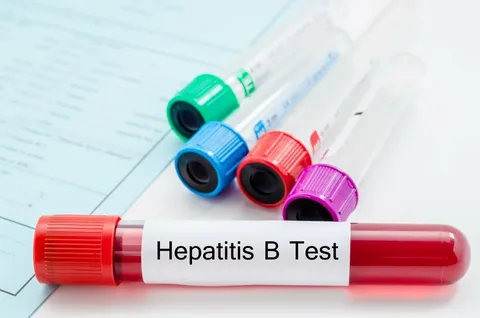
Hepatitis B and C are viral infections that affect the liver, and one of their most challenging features is how quietly they can develop. Many people carry the virus for years without noticeable symptoms, which is why screening is often the first step in identifying a problem before it progresses. Those planning to get tested frequently check the hepatitis b and c test price in Lahore beforehand, but understanding what the screening actually involves is just as useful when discussing the results with a doctor.
What Hepatitis B and C Screening Includes
A screening package for these two viruses typically covers several markers rather than a single test. Depending on what the doctor orders, it may include:
-
HBsAg — a marker commonly used to detect current hepatitis B infection.
-
Anti-HBs — often used to assess immunity, including post-vaccination status.
-
Anti-HBc — indicates past or present exposure to hepatitis B.
-
Anti-HCV — the initial screening test for hepatitis C.
-
HCV RNA (PCR) — sometimes added to confirm or measure an active hepatitis C infection.
Because hepatitis B and C are different viruses, they require different markers, and results are interpreted separately.
Why Screening Is Recommended
Screening is not limited to people who feel unwell. Doctors may advise testing in several situations:
-
Routine health checks or pre-employment medicals.
-
Before surgery or certain invasive procedures.
-
During pregnancy as part of antenatal care.
-
For people with a family history of hepatitis.
-
After possible exposure through blood, needles, or medical procedures.
-
For individuals with abnormal liver-related findings on other tests.
Because both viruses can remain silent for long periods, screening helps identify cases that might otherwise go undetected.
General Preparation Considerations
Most hepatitis screening tests are standard blood tests and require limited preparation. Depending on what else has been ordered:
-
Fasting may be needed only if additional tests are included.
-
Medication details should be shared with the lab and doctor.
-
Recent vaccinations (such as for hepatitis B) should be mentioned.
-
Previous test results help with comparison.
-
Any recent illness should be noted.
Patients should always follow the specific instructions provided by their doctor or the laboratory conducting the test.
Understanding the Role of Laboratory Testing
Laboratory results are one part of the overall picture. A screening result does not confirm a diagnosis on its own — doctors consider symptoms, history, and sometimes repeat or confirmatory testing before reaching conclusions. Antibody tests in particular can require careful interpretation depending on the individual’s vaccination history and exposure.
This is why results should always be reviewed with a qualified healthcare professional rather than interpreted independently.
Final Thoughts
Hepatitis B and C screening is a straightforward step that supports earlier conversations with a doctor and more informed health decisions. For people in higher-risk groups or those advised by their physician, timely testing is a sensible part of routine care. For readers who want more updates on health, wellness, and related topics, additional articles are regularly published on TopNewsToday.