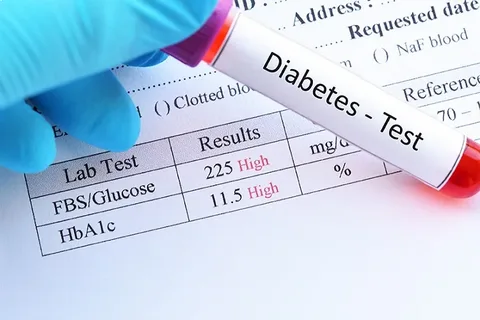
Diabetes is one of the most common long-term health conditions worldwide, and managing it well depends heavily on regular monitoring. Blood sugar levels can shift over time due to diet, activity, medication, and other factors, which is why doctors often rely on periodic laboratory testing rather than a single reading. Choosing a reliable diabetes test laboratory in lahore is therefore a practical step for anyone monitoring their metabolic health over the long term.
Common Tests Used in Diabetes Monitoring
Diabetes-related testing is not limited to one type of test. Depending on what the doctor wants to assess, several options may be used:
-
Fasting blood glucose — measures sugar levels after a period without food.
-
Random blood glucose — taken at any time of day.
-
Oral glucose tolerance test (OGTT) — checks how the body handles a measured sugar load.
-
HbA1c — reflects average blood sugar over the previous two to three months.
-
Urine tests — sometimes used alongside blood tests.
Each test serves a different purpose, and doctors often combine them for a fuller picture.
Why HbA1c Is Often Preferred for Long-Term Monitoring
While daily glucose readings show what is happening at a specific moment, HbA1c provides a broader view. Because it reflects average levels over roughly three months, it is less affected by short-term fluctuations such as a single heavy meal or a stressful day. This makes it useful for:
-
Tracking long-term control in people already managing diabetes.
-
Assessing risk in people with borderline results.
-
Reviewing the effectiveness of a treatment plan over time.
-
Supporting routine check-ups in general health screening.
Doctors decide how often to repeat the test based on the individual’s situation and previous results.
General Preparation Considerations
Preparation depends on which test has been ordered. For some tests, fasting is required, while others can be done at any time. General points worth keeping in mind:
-
Follow the doctor’s instructions regarding fasting or timing.
-
Stay hydrated unless told otherwise.
-
Inform the lab about any medication being taken.
-
Mention recent illness or major changes in routine.
-
Carry previous reports if available for comparison.
These small steps help ensure the sample is collected under appropriate conditions and results are easier to interpret.
Understanding the Role of Laboratory Testing
Laboratory results are one part of a wider clinical assessment. A single reading does not confirm or rule out a condition on its own — doctors consider symptoms, medical history, medications, and sometimes repeat testing before drawing conclusions. HbA1c in particular requires careful interpretation, since certain health conditions and situations can affect its accuracy.
This is why results should always be reviewed with a qualified healthcare professional rather than interpreted in isolation.
Final Thoughts
Regular laboratory monitoring gives both patients and doctors a clearer view of how blood sugar is behaving over time. It supports better-informed decisions and more consistent long-term care. For readers who want more updates on health, wellness, and related topics, additional articles are regularly published on TopNewsToday.