Ultrasound is one of the most frequently requested diagnostic investigations in Bangalore — and across India as a whole. It is safe, non-invasive, widely available, and capable of providing real-time images of internal structures without radiation. Yet despite how routine ultrasound has become, many patients book their scan without knowing what to look for in a centre, what the scan actually involves, or how to ensure the results they receive are genuinely useful.
Whether you have been referred for an abdominal scan, a pregnancy check, a thyroid assessment, or a musculoskeletal evaluation, understanding the process before you arrive makes the experience less stressful and the outcome more reliable. For patients across the city, accessing quality ultrasound scan in Bangalore at a well-equipped and accredited centre is the most important first step toward a diagnostic experience that genuinely serves your health needs.
What an Ultrasound Scan Actually Does
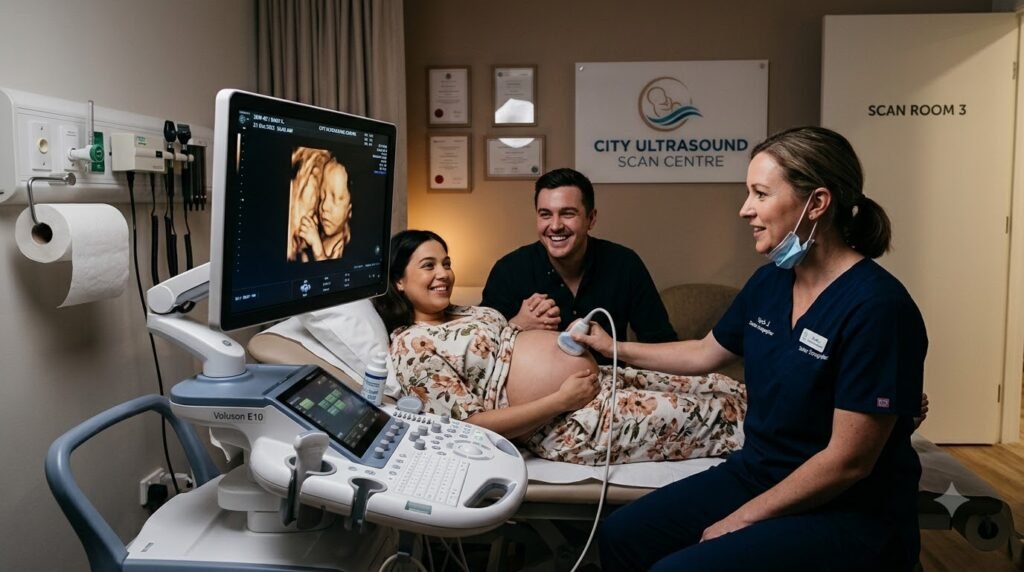
Ultrasound uses high-frequency sound waves — well above the range of human hearing — to create real-time images of internal structures. A handheld probe called a transducer is placed against the skin. It emits sound waves that travel into the body, bounce off internal structures, and return to the probe as echoes. A computer processes these echoes into images displayed on a monitor.
Because ultrasound captures images in real time, it can show movement — a foetal heartbeat, the contraction of a gallbladder, blood flowing through a vessel. This dynamic quality makes it particularly valuable for certain clinical assessments that static imaging cannot provide.
Ultrasound does not use ionising radiation, which makes it safe for pregnant women, children, and patients requiring repeated imaging over time.
Types of Ultrasound Scans Available in Bangalore
Not all ultrasound scans are the same. The type your doctor recommends depends on what needs to be assessed and where.
Abdominal Ultrasound
One of the most commonly performed scans, abdominal ultrasound evaluates the liver, gallbladder, bile ducts, pancreas, spleen, kidneys, and bladder. It is used to investigate symptoms such as abdominal pain, bloating, jaundice, or abnormal blood test results.
Pelvic Ultrasound
Pelvic ultrasound assesses the uterus, ovaries, and surrounding structures in women. In men, it can evaluate the bladder and prostate. It is used to investigate menstrual irregularities, pelvic pain, ovarian cysts, and fertility-related concerns.
Obstetric Ultrasound
Ultrasound is the primary imaging tool throughout pregnancy. From early viability scans to anomaly scans and growth assessments in the third trimester, obstetric ultrasound monitors foetal development and maternal health at every stage.
Thyroid and Neck Ultrasound
This evaluates the thyroid gland for nodules, enlargement, or vascularity changes. It can also assess lymph nodes and other neck structures. It is commonly used alongside thyroid function blood tests.
Musculoskeletal Ultrasound
Ultrasound of muscles, tendons, ligaments, and joints is increasingly used for sports injuries, rotator cuff assessments, tendon tears, and guided injections. It provides dynamic imaging — meaning the structure can be assessed while the patient moves the joint.
Breast Ultrasound
Used alongside or following mammography, breast ultrasound helps characterise lesions detected on clinical examination or mammogram. It is particularly useful for distinguishing cysts from solid masses.
Small Parts Ultrasound
This covers targeted imaging of smaller structures — the scrotum and testes, the salivary glands, superficial lymph nodes, and soft tissue lumps.
How to Choose the Right Ultrasound Centre in Bangalore
The range of ultrasound centres in Bangalore spans from well-equipped, accredited facilities with experienced radiologists to basic setups with older machines and limited expertise. Here is how to distinguish between them.
Equipment Generation and Maintenance
Ultrasound technology has advanced considerably in recent years. Modern machines offer higher resolution, better depth penetration, improved tissue differentiation, and more sophisticated measurement tools. Ask the centre what generation of ultrasound machine they use and when it was last serviced.
Older machines are not automatically inadequate for routine studies, but for detailed assessments — foetal anomaly scans, musculoskeletal evaluations, or small parts imaging — the quality of the equipment makes a meaningful difference.
Sonographer and Radiologist Credentials
The operator performing your ultrasound scan significantly influences the quality of the images obtained. Ultrasound is highly technique-dependent — probe placement, pressure, angle, and settings all affect what is visible on screen.
Ask whether the scan is performed by a trained sonographer or radiologist, and whether a radiologist reviews and signs the final report. In many quality centres, a radiologist performs the scan directly. In others, a trained sonographer acquires the images and a radiologist reviews them. Both models can produce good results when both practitioners are appropriately qualified.
Turnaround Time for Reports
In most cases, ultrasound findings are available soon after the scan. A qualified radiologist may review the images immediately and provide a preliminary finding before you leave, with a detailed written report following within a few hours or by the end of the day.
Ask the centre what their standard turnaround time is and how the report is delivered — whether digitally, as a printed hard copy, or both.
Accreditation and Affiliations
Look for centres that are NABL accredited or affiliated with recognised hospital groups. Accreditation indicates the facility has been independently evaluated against quality standards. It does not guarantee perfection, but it provides an objective reference point that unverified centres lack.
Scan-Specific Preparation: What You Actually Need to Do
Preparation requirements vary significantly depending on the type of ultrasound scan. Arriving without following the correct preparation can compromise image quality and may require the appointment to be rescheduled.
Abdominal Ultrasound
Fast for six to eight hours before the scan. This reduces bowel gas, which is the most common cause of poor image quality in abdominal studies. You may drink plain water. Avoid carbonated drinks, milk, and solid food.
Pelvic Ultrasound
For a transabdominal pelvic scan, a full bladder is required. Drink approximately one litre of water one hour before your appointment and avoid urinating. The full bladder acts as an acoustic window, pushing bowel away and improving visibility of pelvic structures.
For a transvaginal ultrasound — which your doctor may request for more detailed pelvic assessment — an empty bladder is preferred. The centre will advise you at the time of booking.
Obstetric Ultrasound
Requirements vary by trimester. Early pregnancy scans often require a partially or fully filled bladder. From the second trimester onward, a full bladder is generally not necessary. Confirm with the centre at the time of booking.
Thyroid, Breast, and Musculoskeletal Ultrasound
No specific preparation is required. Wear clothing that provides easy access to the area being scanned.
What to Expect During the Scan
Arriving with realistic expectations makes the experience more comfortable.
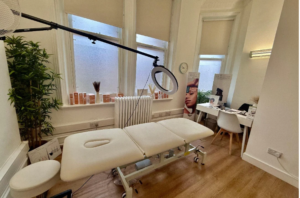
You will be positioned on an examination table — lying flat, or slightly tilted depending on the area being scanned. A water-based gel is applied to the skin to improve contact between the probe and the body surface. This gel is harmless, slightly cool, and easily wiped away after the scan.
The sonographer or radiologist moves the probe across the skin, adjusting pressure and angle to obtain the best possible images. You may be asked to breathe in deeply and hold your breath briefly — this moves the liver and diaphragm into a better position for imaging. You may also be asked to roll slightly to one side.
The scan is painless. The only mild discomfort some patients experience is from the pressure of the probe, particularly over areas of tenderness, or from maintaining a full bladder during a pelvic scan.
Common Reasons Ultrasound Results Are Suboptimal
Understanding what can limit ultrasound quality helps you prepare appropriately and choose the right centre.
Bowel gas is the most common obstacle in abdominal scanning. Adequate fasting before the scan significantly reduces this problem.
Body habitus can affect image penetration in larger patients. Modern high-end machines with appropriate probe frequencies handle this better than older or lower-specification equipment.
Operator technique is a significant variable. Insufficient probe pressure, incorrect probe frequency selection, and inadequate image optimisation all reduce diagnostic yield. An experienced sonographer consistently produces better images than an inexperienced one, regardless of the machine used.
Patient movement during the scan blurs images. Staying as still as possible — and following breathing instructions — improves the quality of what is captured.
Pricing for Ultrasound Scans in Bangalore: What Is Reasonable?
Ultrasound pricing varies by scan type and facility. As a general reference:
- Abdominal ultrasound: approximately ₹800 to ₹2,000
- Pelvic ultrasound: approximately ₹800 to ₹1,800
- Obstetric ultrasound (trimester-dependent): approximately ₹1,000 to ₹3,500
- Thyroid ultrasound: approximately ₹700 to ₹1,500
- Musculoskeletal ultrasound: approximately ₹1,000 to ₹2,500
- Breast ultrasound: approximately ₹1,000 to ₹2,000
These are indicative ranges. Hospital-based radiology departments tend to charge more than standalone diagnostic centres for comparable studies. Always confirm the complete price — including any charges for printed reports, CDs, or digital delivery — before your appointment.
Questions to Ask Before Booking an Ultrasound Centre
- What ultrasound machine do you use and how recent is it?
- Is the scan performed by a radiologist or a trained sonographer?
- Does a radiologist review and sign all reports?
- What is the turnaround time for the written report?
- What are the preparation requirements for my specific scan?
- What is the total cost including report delivery?
- Are you NABL accredited or affiliated with a recognised diagnostic network?
Frequently Asked Questions
Is ultrasound safe for repeated use?
Yes. Diagnostic ultrasound does not use ionising radiation and has an extensive safety record across decades of clinical use. It is considered safe for pregnant women, infants, children, and patients requiring frequent monitoring.
Can an ultrasound scan detect cancer?
Ultrasound can identify masses, lesions, and abnormal tissue characteristics that may require further investigation. It cannot definitively diagnose cancer on its own — but it plays an important role in directing further evaluation, including biopsy or cross-sectional imaging.
How long does an ultrasound scan take?
Most routine ultrasound scans take between 15 and 30 minutes. More complex studies — such as a detailed obstetric anomaly scan or a comprehensive abdominal assessment — may take 30 to 45 minutes.
Will I receive my results on the same day?
Many centres in Bangalore provide preliminary findings immediately after the scan, with a full written report available the same day or the following day. Confirm this at the time of booking.
Do I need a doctor’s referral for an ultrasound scan in Bangalore?
A referral is strongly recommended. It ensures the correct scan protocol is used, and the findings are interpreted in the context of your clinical presentation. Some centres will perform scans without a referral, but the results are more clinically meaningful when a doctor has framed the clinical question.
Choosing the Right Centre Makes the Difference
An ultrasound scan in Bangalore is only as valuable as the quality of the centre performing it. The equipment, the operator’s skill, the radiologist’s experience, and the clarity of the report all contribute to whether the scan produces information that genuinely guides your medical care.
Before you book, take a few minutes to verify the key factors outlined in this article. A well-chosen ultrasound centre will give your doctor the clear, accurate information needed to make confident clinical decisions — and that outcome is worth the small effort of evaluating your options carefully.