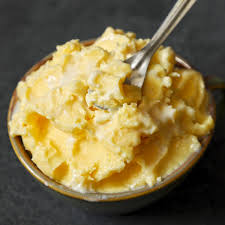
Butter is one of the most versatile ingredients in the kitchen. It can transform a simple dish into a rich, flavorful experience. Among the many types of butter available today, small-batch cultured butter has gained significant attention for its unique taste, texture, and artisanal quality. While regular butter is mass-produced for consistency and convenience, small-batch cultured butter offers something different: a combination of craftsmanship, superior ingredients, and distinctive flavor that sets it apart.
Understanding Small-Batch Production
Small-batch production refers to creating butter in limited quantities, often by hand or using artisanal methods. Unlike mass-produced butter, which is made in large factories using standardized processes, small-batch butter is carefully crafted. Every step, from cream selection to fermentation and churning, is monitored to ensure the highest quality.
This approach allows producers to maintain control over flavor, texture, and overall quality. It also provides flexibility to experiment with ingredients, adjust fermentation times, and ensure that each batch meets high standards. Small-batch production is not only about creating butter; it is about creating an experience that reflects care and attention to detail.
Flavor and Texture Advantages
One of the most noticeable differences in small-batch cultured butter is its flavor. Cultured butter is made by fermenting cream with natural lactic acid bacteria before churning, giving it a tangy, rich, and complex taste. This fermentation process enhances the depth of flavor, which is often missing in mass-produced butter.
The texture of small-batch cultured butter is another standout feature. It tends to be creamier and smoother, making it easier to spread, melt, or incorporate into dishes. This richness allows it to blend seamlessly into sauces, mashed vegetables, and baked goods, creating a luxurious mouthfeel that elevates everyday recipes. Even simple uses, such as spreading it over fresh bread or steamed vegetables, reveal its superior quality.
Ingredients and Quality
High-quality ingredients are at the heart of small-batch cultured butter. Many producers use cream sourced from local or grass-fed cows, ensuring that the butter retains a natural and fresh flavor. Minimal additives and preservatives are used, allowing the natural characteristics of the cream and fermentation process to shine.
Nutritionally, small-batch cultured butter can offer benefits beyond taste. It contains healthy fats, fat-soluble vitamins like A, D, E, and K, and sometimes even probiotics from the fermentation process. This makes it not only a flavorful ingredient but also a nutrient-rich one. Choosing butter made from high-quality sources, such as fresh white butter or A2 milk Dubai, ensures that you are getting the best possible product for both cooking and health.
Culinary Applications
Small-batch cultured butter is incredibly versatile in the kitchen. Its tangy flavor and creamy texture make it suitable for a wide range of savory and sweet applications.
Finishing Touch
Adding a dollop of cultured butter at the end of cooking can enhance the richness of sauces, soups, and vegetables. The butter melts into the dish, providing a smooth, velvety texture and a subtle tang that lifts flavors.
Baking and Pastry
In baked goods, small-batch butter can make a huge difference. From flaky pastries and biscuits to bread and savory tarts, its high butterfat content ensures tenderness and richness. It also adds a depth of flavor that is noticeable even in simple recipes.
Compound Butters
Small-batch cultured butter can be blended with herbs, spices, garlic, or citrus to create compound butters. These spreads are perfect for topping roasted meats, fish, or vegetables, adding a burst of flavor that standard butter cannot match.
Everyday Cooking
Even in everyday meals, small-batch cultured butter adds value. It can be used to sauté vegetables, enrich sauces, or simply spread on toast. Its superior taste and texture make a noticeable difference, proving that quality ingredients matter in every meal.
Artisanal Appeal and Authenticity
The appeal of small-batch cultured butter goes beyond taste and texture. It is about authenticity and craftsmanship. Many consumers are drawn to products that reflect traditional methods, careful attention to detail, and a connection to local agriculture. Small-batch butter producers often take pride in their work, using sustainable practices that support both the environment and local communities.
The artisanal nature of small-batch butter also provides traceability. Consumers can know where the cream came from, how it was processed, and what makes each batch unique. This transparency builds trust and adds value to a product that goes far beyond what mass-produced butter offers.
Storage and Handling Tips
To enjoy the full benefits of small-batch cultured butter, proper storage and handling are essential. It should be kept tightly wrapped in the refrigerator to maintain freshness and prevent it from absorbing other flavors. Small batches can also be frozen for longer-term storage without compromising taste or texture.
When using the butter, allow it to come to room temperature for spreading and mixing. Slightly chilled butter works best for shaping into compound butters or for baking where structure is needed. Handling the butter with care ensures that you maximize its flavor and texture.
Conclusion
Small-batch cultured butter stands out for many reasons. Its rich, tangy flavor, creamy texture, and high-quality ingredients make it a superior choice for cooking, baking, and finishing dishes. Beyond taste, it reflects artisanal craftsmanship, authenticity, and attention to detail that mass-produced butter cannot match.
By incorporating small-batch cultured butter into your kitchen, whether in sauces, pastries, or simple spreads, you can elevate everyday meals into something special. Choosing high-quality sources, such as fresh white butter or a2 milk Dubai, further enhances both flavor and nutritional value. Small-batch cultured butter is more than an ingredient; it is a way to experience food at its best, celebrating quality, tradition, and taste.