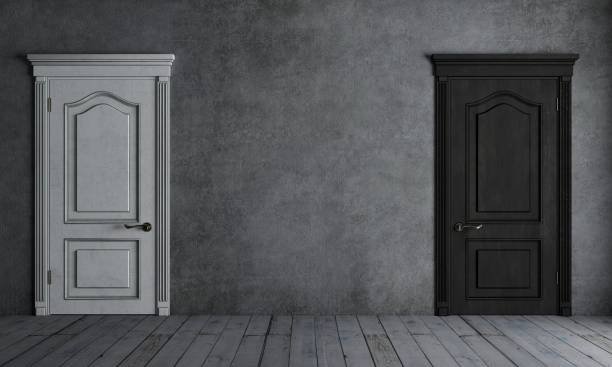
Bespoke internal doors
A door may look like a simple part of a home but there is more to it than the surface you see. Size. Material. Shape. Finish and hardware can all change the way a door feels in a room. Standard doors come in set sizes and familiar designs. They work well when the doorway follows common measurements and the available styles suit the house. But not every home follows the same pattern. Older properties can have unusual openings. New homes may have taller ceilings or wider entrances. Some homeowners simply want something that feels more personal. Bespoke internal doors give you the chance to choose those details instead of working from a fixed list. You can shape the door around the space and the interior rather than trying to make the room accept a standard option.
What is the main difference between bespoke and standard doors?
The biggest difference comes down to choice. A standard door usually comes in a set range of sizes. Materials and finishes. You pick from what the manufacturer already offers. A bespoke door starts with your requirements. You can discuss the size. Design and materials before the maker builds it. That does not mean every part needs to be unusual. You can keep the design simple and still make it specific to your home. The freedom becomes useful when you have an awkward opening or a particular style in mind. Instead of searching through dozens of standard doors hoping one will work you can start with what the room actually needs.
Why do standard door sizes cause problems in some homes?
Many homes fit standard measurements without any trouble. Older houses can be different. Walls move slightly over time. Door openings may have been altered and frames may not sit perfectly square. You might also have a high opening where a normal door leaves an awkward amount of space above it. A standard door can still fill the gap but the proportions may look wrong. A made to measure option can account for the opening and create a cleaner result. That matters in rooms where the doorway sits in a prominent position. Small changes in height or width can affect the whole appearance.
Can bespoke doors offer more design freedom?
Yes. You can usually choose more than just the colour. Panel layouts. Timber species. Glass sections and edge details can all become part of the design. Maybe you want three slim vertical panels instead of the usual two. Perhaps you prefer a smooth flush surface with no visible decoration. You could also combine timber with glass when a room needs more daylight. These choices let you create something that reflects the interior rather than following a fixed catalogue style. The design can stay simple. It just does not have to look exactly like every other door in the house.
How does material choice differ?
Standard ranges often focus on popular materials and finishes. A bespoke project gives you more room to discuss what will work for the space. Natural timber can bring warmth and visible grain. Veneer can offer a wood appearance with a different construction. Painted finishes give you a broad choice of colours. Glass can introduce light between rooms. You can also choose different combinations depending on the use of the door. A solid timber door may suit a bedroom while a glazed design could work better between a dining room and hallway. Material becomes part of the design rather than an option you simply tick from a list.
Why does the finish matter?
The finish can change how the door interacts with the room. Natural wood with a soft finish can feel warm. A painted surface can look cleaner and blend with the walls. A darker stain can give timber more depth. Matte finishes tend to keep things calm while gloss creates more reflection. Standard doors often come with a limited set of finishes. Bespoke work can give you more control over the exact appearance. You can choose a colour that sits close to your wall or pick something that creates contrast. Either way the finish becomes a deliberate part of the interior.
Can bespoke doors suit unusual interior styles?
They can. A home does not have to follow one recognised style. You may have a modern kitchen. A traditional hallway and a relaxed bedroom all under one roof. Standard doors can make those rooms feel disconnected if the available designs do not fit. Bespoke doors let you adjust the details for each space. You could use simple painted doors in the modern area and timber panels in the traditional section. A shared handle finish or similar proportions can still connect the rooms. That gives you flexibility without making the house feel random.
What role does hardware play?
Handles and hinges can change the character of a door more than you might expect. A black lever can give a simple painted door a crisp edge. Brass can bring warmth to timber. Silver can work with cooler colour schemes. You can also choose a knob if you prefer a traditional feel. Standard doors may come with limited hardware choices or require you to buy the handles separately. With a bespoke order you can think about the hardware as part of the whole design. That helps when you want the door to connect with cabinet handles. Lighting or other fittings around the room.
Can bespoke doors include glass?
Yes. Glass is one area where custom design can become useful. You can choose how much glass the door contains and where it sits. A narrow vertical panel can bring light into a hallway without opening the whole room visually. Frosted glass can offer more privacy. Clear glass creates a stronger connection between spaces. Textured glass can add some character. The frame can also change the look. Timber framing feels warm while black framing can create a sharper modern style. With a standard door you may have to accept whatever glazed layout comes in the range. A bespoke design gives you more control.
How can bespoke doors improve a hallway?
Hallways often show several doors at once. That makes consistency important. If one door sits higher. Another looks wider and a third has a different panel shape the corridor can feel untidy. Custom sizing can help create a more even appearance. You can also choose a common design across several openings. Similar colours and handles can create a calm rhythm along the walls. This does not mean every door needs to be identical. You can make small changes where the room requires them while keeping the main style connected.
Do bespoke doors offer better sound control?
They can when you choose the right construction. A solid heavier door can reduce sound transfer better than a very light hollow design. The frame and gaps around the door matter as well. If you want stronger separation between rooms then mention this during the planning stage. A bedroom beside a busy living room has different needs from a door between a dining room and kitchen. The construction should match the use. Do not judge sound performance by appearance alone. The way the complete door and frame fit together plays a large part.
Can they provide better privacy?
The design can help with privacy. Solid doors offer more visual separation than clear glass. Frosted or textured glass can let light through while keeping the view unclear. The frame and seals also affect privacy. A poorly fitted door can leave gaps that reduce the sense of separation. When planning a bespoke door you can explain how the room gets used and what level of privacy you need. That allows the design to take practical needs into account instead of focusing only on appearance.
Why are bespoke doors useful in older properties?
Older homes often have quirks that standard products cannot handle neatly. You may find uneven walls. Non standard openings or frames with unusual proportions. A bespoke door can work with those conditions. You can also choose a design that respects the age of the property. Timber panels and traditional hardware can keep the character intact. At the same time the door can improve the fit and appearance. You do not need to replace old charm with a modern look. A carefully made door can support what is already there.
Are standard doors better for modern homes?
Not necessarily. Modern homes can also benefit from made to measure doors. Taller openings. Wide entrances and minimalist interiors often look better when the proportions are right. A standard door may leave an awkward gap above it or create a size that feels too small for the wall. Bespoke sizing can solve that. You can also choose a flush finish. Hidden frame or slim glazed section depending on the room. The design can stay simple while still fitting the architecture more closely.
Do bespoke doors take longer to make?
They often need more time because the maker builds them to your requirements. Measurements need checking. Materials need preparing and the finish may require extra work. You may also need to approve samples before production begins. This is different from buying a standard door that already sits in stock. The longer process can feel inconvenient when you are working to a tight schedule. It can also give you more control over the result. If timing matters then ask about lead times before placing the order.
Are bespoke doors harder to maintain?
Not necessarily. Maintenance depends more on the material and finish than on whether the door is standard or custom made. A painted door may need occasional cleaning and touch ups. Natural timber can need care to keep the finish in good condition. Glass needs normal cleaning and some metal finishes may show fingerprints more clearly. Ask the maker about care before choosing the finish. You want something that looks good but also fits the way you live. A high maintenance surface may not suit a busy family hallway.
What should you check before ordering a bespoke door?
Measurements come first. Then think about the material. Design. Finish and hardware. Check how the door will open and whether furniture could block its movement. Think about the frame as well. If you need sound reduction or privacy mention it early. Ask about installation and aftercare. You should also find out how changes work once the design gets approved. Custom work leaves less room for casual changes later. Taking your time at the planning stage can prevent costly mistakes.
Why does installation matter so much?
A door needs more than a good design to work properly. The frame must sit correctly. Hinges need proper alignment and the gaps around the door should stay even. A poor installation can make a carefully made door look cheap. It can also affect sound. Privacy and how smoothly the door closes. Ask who will install the door and whether they have experience with made to measure products. If the maker handles installation then you have one less thing to coordinate. Either way the fitting deserves as much attention as the door itself.
Can bespoke doors add more character to a home?
They can because they give you control over details that standard doors often leave fixed. You can choose a wood tone that connects with the flooring. A panel shape that echoes the architecture or a colour that brings some life to a plain hallway. The door becomes part of the interior rather than a generic object between two rooms. That personal touch can make a home feel more settled. You do not need an unusual design to achieve it. Sometimes the difference comes from getting the size and proportions right.
Is the extra choice worth it?
For some homes yes. A standard door remains a practical choice when the size and design already suit the room. There is no need to make things complicated without a reason. A bespoke option becomes more useful when you have an unusual opening. A strong design idea or specific practical needs. You can also choose it simply because you want something personal. The extra planning takes time but it gives you more control over the finished result. That can matter when the door will remain in your home for many years.
The difference between a standard door and a bespoke one does not always show in a single glance. Sometimes it appears in the way the door fits the opening. Sometimes it comes through the choice of timber. The panel layout or the handle that sits neatly with the rest of the room. Bespoke internal doors give you more control over these details and that can make the finished interior feel more considered. Standard doors have their place and they work perfectly well in many homes. But when a room has unusual proportions or you have a clear idea in mind the extra freedom can be useful. Take your measurements seriously. Think about how the door will be used and choose materials that suit your daily routine. A good door should look right but it should also feel right when you open it. Close it and live with it. That is where the difference becomes clear.
FAQs
What is the biggest difference between bespoke and standard doors?
A standard door comes in fixed sizes and designs. A bespoke door gets made around your chosen measurements. Materials. Finish and style.
Are bespoke internal doors more expensive?
They can cost more because the maker builds the door to specific requirements. The price depends on the size. Material. Design and finish.
Can bespoke doors work in modern homes?
Yes. They can suit modern interiors with clean lines. Large openings and simple finishes. Custom sizing can also help when standard proportions do not suit the room.
Do bespoke doors take longer to receive?
They often do because the maker needs time to measure. Build and finish the door. Ask about the expected lead time before you place an order.
Are bespoke doors difficult to maintain?
No more than standard doors when you choose a similar material and finish. Follow the care advice for the surface and choose a finish that suits your daily routine.