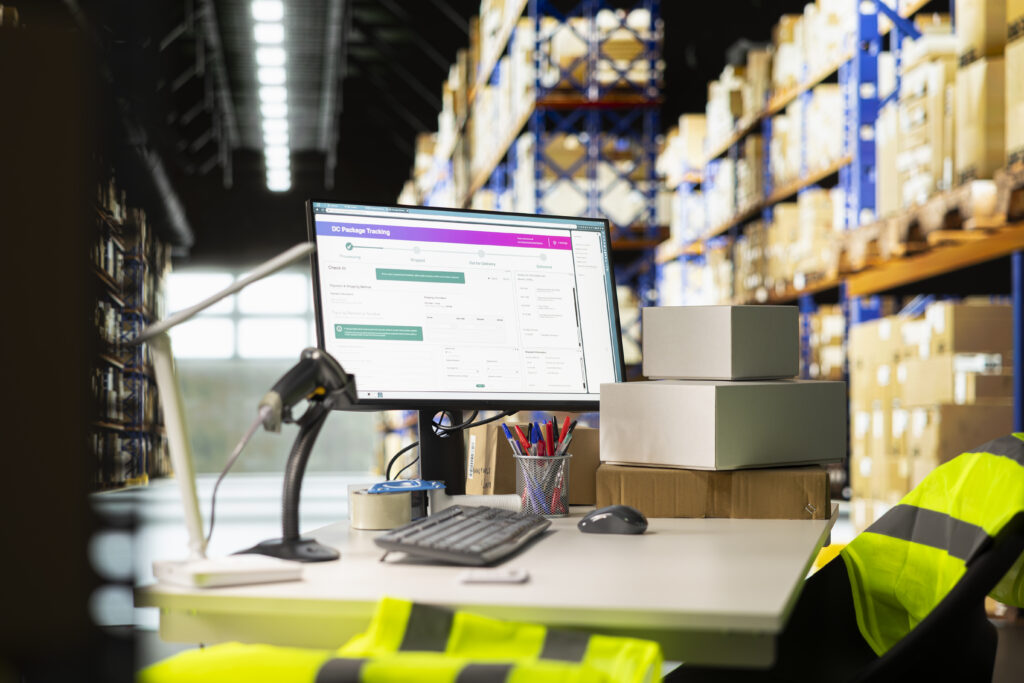
Empty professional warehouse space used for shipping cargo goods from online shopping local small brand, ensuring express delivery from the storage room depot. Supply room.
Freight operations have become more complex as supply chains expand across regions and customer expectations continue to rise. Businesses must balance cost control, delivery speed, and service reliability while coordinating multiple carriers and large shipment volumes. In this environment, a freight management platform provides the structure and visibility companies need to stay competitive and efficient.
Understanding a Freight Management Platform
A freight management platform is a digital system that helps businesses plan, execute, track, and optimize the movement of goods. It connects shippers, carriers, warehouses, and finance teams into one centralized workflow.
Instead of handling freight tasks manually through emails and spreadsheets, companies use a single dashboard to manage:
- Carrier selection
- Shipment booking
- Real time tracking
- Documentation
- Freight cost reporting
- Invoice verification
This unified approach reduces confusion and creates a more controlled logistics environment.
Improved Visibility Across Shipments
One of the most important benefits of a freight management platform is real time visibility. Businesses can see where shipments are at any moment without logging into separate carrier systems.
This helps teams:
- Identify delays quickly
- Inform customers proactively
- Monitor delivery performance
- Reduce uncertainty in planning
Clear visibility improves coordination between departments and strengthens customer trust.
Managing Multiple Carriers Efficiently
Most companies rely on more than one carrier to balance service coverage and pricing. However, managing multiple carriers efficiently can become complicated without the right tools.
A freight management platform centralizes:
- Carrier contracts
- Rate agreements
- Service level commitments
- Performance metrics
By bringing this information into one system, logistics teams can compare options instantly and assign shipments based on cost, speed, or reliability. Over time, this structured approach improves consistency and strengthens carrier relationships.
Cost Control and Financial Transparency
Freight expenses often represent a large portion of operational budgets. Without detailed reporting, businesses may struggle to understand where costs are increasing.
Freight management software built into the platform provides:
- Cost per shipment breakdowns
- Carrier specific expense reports
- Fuel surcharge analysis
- Accessorial charge tracking
With accurate data, businesses can negotiate better contracts, optimize routes, and reduce unnecessary spending. Even small improvements across hundreds of shipments can generate significant savings.
Automation That Saves Time
Manual freight processes slow down operations and increase the risk of error. Booking shipments, creating documents, and updating tracking information manually consumes valuable staff time.
Shipping automation software integrated within a freight management platform automates many routine tasks, including:
- Carrier rate comparisons
- Shipment scheduling
- Label generation
- Status notifications
- Digital document storage
Automation reduces repetitive work and allows teams to focus on strategic improvements rather than administrative duties.
Stronger Compliance and Documentation
Freight operations involve documentation such as bills of lading, proof of delivery, and regulatory compliance records. Misplacing or incorrectly managing these documents can create operational and legal risks.
A freight management platform stores documentation digitally and links it directly to shipment records. This ensures:
- Easy retrieval of records
- Reduced paperwork errors
- Clear audit trails
- Improved compliance oversight
For businesses operating across different states or regions, maintaining organized documentation is essential.
Better Data for Smarter Decisions
Modern logistics depends on data driven decision making. A freight management platform transforms shipment activity into meaningful reports and dashboards.
Managers can analyze:
- On time delivery performance
- Average transit times
- Cost per route
- Carrier reliability
- Monthly freight spend trends
With this information, companies can identify inefficiencies and make targeted improvements. Instead of reacting to problems, they can plan proactively.
Scalability for Business Growth
As businesses expand, freight complexity increases. New markets, additional warehouses, and higher shipment volumes require stronger coordination.
A freight management platform provides scalability by supporting:
- Multi location operations
- High volume shipment processing
- Expanded carrier networks
- Advanced performance analytics
This ensures that growth does not overwhelm logistics teams or create operational bottlenecks.
Enhanced Customer Experience
Customer satisfaction is closely linked to shipping performance. Delays, missing updates, or incorrect deliveries can quickly damage trust.
With a freight management platform, businesses can:
- Provide accurate delivery estimates
- Send automated shipment notifications
- Offer real time tracking links
- Respond quickly to issues
Improved communication and reliability strengthen customer relationships and encourage repeat business.
Integration Across Business Systems
Freight operations connect with purchasing, inventory management, accounting, and customer service. A freight management platform integrates with these systems to create seamless data flow.
Common integrations include:
- Enterprise resource planning systems
- Warehouse management systems
- Accounting platforms
- E-commerce solutions
When systems are connected, data moves automatically between departments. This reduces manual entry, prevents errors, and improves internal efficiency.
Regional Advantages with a Freight Platform Australia
For companies operating in Australia, geography plays a major role in logistics planning. Long distances between major cities and remote delivery locations add complexity to freight coordination.
A freight platform australia solution helps businesses manage road, rail, air, and sea freight within one connected system. It supports consistent oversight across interstate routes and regional networks.
By consolidating local carrier relationships and transport data, Australian businesses gain stronger control over their supply chains.
Risk Reduction and Operational Stability
Freight disruptions can impact revenue and customer confidence. A freight management platform reduces risk by providing early warnings and structured processes.
Benefits include:
- Real time delay alerts
- Performance monitoring
- Automated documentation
- Clear financial tracking
These capabilities create a more stable logistics environment that can adapt to changing conditions.
Long Term Strategic Value
Investing in a freight management platform is not just about solving immediate operational challenges. It creates a long term foundation for growth and efficiency.
Over time, businesses gain:
- Greater cost transparency
- Improved operational discipline
- Stronger carrier partnerships
- Faster response to market changes
- Scalable logistics processes
When paired with shipping automation software and freight management software tools, companies build a connected ecosystem that supports sustainable performance.
Final Thoughts
Freight operations are becoming more demanding as supply chains grow in scale and complexity. Manual processes limit visibility and increase risk, while structured digital platforms create efficiency and clarity. A freight management platform offers the tools businesses need to manage multiple carriers efficiently, control costs, and improve service reliability. For organizations looking to strengthen logistics performance and maintain long term stability, adopting a transport management system Australia solution can provide the structure required to succeed in today’s competitive environment.