Shipping a car across the USA involves more than finding a transporter and accepting the first price you see. Different carriers may quote different amounts for the same route because transportation costs depend on timing, vehicle size, route conditions, equipment, and available carrier capacity.
Vehicle transport bidding gives customers a way to explore different transportation offers before selecting a service. When approached carefully, the process can make it easier to understand pricing and identify an option that matches the shipment’s requirements.
What Is Vehicle Transport Bidding?
Vehicle transport bidding is a quote-based approach in which a customer’s vehicle shipment is presented to transportation providers. Carriers review details such as the pickup location, destination, vehicle type, condition, and requested timeframe before determining whether they can handle the shipment and what price they would offer.
The exact bidding process varies by platform and transportation company. Some systems may display multiple offers, while others may use bids as part of a broader quote and carrier-matching process.
For customers, the important point is that transportation prices aren’t necessarily identical from one provider to another.
Why Auto Transport Prices Can Move Up or Down
A vehicle’s shipping cost is influenced by several moving parts. Carrier availability is particularly important because transportation companies plan routes according to where vehicles need to be picked up and delivered.
For example, a carrier already traveling from Texas toward Florida may have an opportunity to transport another vehicle along the same corridor. A different carrier might have to travel farther to accommodate the same pickup.
Other factors can include:
- Route distance
- Vehicle dimensions
- Vehicle weight
- Pickup and delivery accessibility
- Open or enclosed equipment
- Running or non-running condition
- Seasonal demand
- Preferred pickup dates
- Carrier capacity
Therefore, a bid should be viewed in the context of the shipment rather than as an isolated number.
A Quick Look at Factors Behind a Transport Offer
| Shipping Factor | How It Can Affect a Quote |
| Distance | Longer routes generally require more fuel, time, and carrier resources |
| Vehicle size | Larger vehicles can occupy more carrier space |
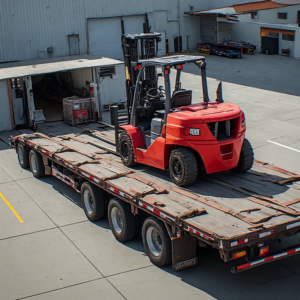
| Vehicle condition | Inoperable vehicles may require additional loading equipment |
| Transport type | Enclosed transportation can cost more than open transport |
| Route | Popular corridors may have different carrier availability |
| Season | Demand can change during busy travel or relocation periods |
| Pickup location | Remote or restricted areas may require additional coordination |
| Delivery timeframe | Urgent or highly specific dates can affect available options |
This is why two customers with similar vehicles may still receive different transportation offers.
Bidding Begins With Accurate Shipment Information
A bidding or quote process works best when the shipment details are correct from the beginning.
Customers should provide the vehicle’s year, make, model, and operating condition. Pickup and delivery ZIP codes should also be accurate. If the vehicle has modifications, oversized tires, lowered suspension, or mechanical problems, those details should be disclosed.
Incorrect information can create problems if the carrier accepts a shipment based on assumptions that later prove inaccurate.
For example, describing a vehicle as operational when it cannot roll or steer could change the loading requirements.
Open Carrier or Enclosed Trailer?
Your preferred transportation method can affect the offers you receive.
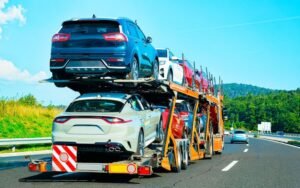
- Open transport is widely used for standard cars, SUVs, and pickup trucks. Vehicles are transported on an open carrier with other automobiles and are exposed to normal outdoor conditions during the journey.
- Enclosed transport places vehicles inside a covered trailer. This option provides additional protection and is often considered for classic, luxury, exotic, collectible, or specialty vehicles.
If you’re requesting vehicle transport bidding offers, specify your preferred transportation method before comparing prices. Otherwise, you may end up comparing different services that aren’t directly equivalent.
A Bid Isn’t the Whole Story
Price is important, but it shouldn’t be the only detail customers examine.
Suppose three transportation providers offer different prices. The lowest offer might have a different pickup timeframe, transportation method, or service arrangement than the others.
Before choosing an offer, review:
- Pickup window: Is the proposed timeframe suitable for your schedule?
- Delivery expectations: Does the provider explain how delivery will be coordinated?
- Equipment: Is the carrier appropriate for your vehicle?
- Insurance: What cargo coverage applies during transportation?
- Communication: How will shipment updates be provided?
- Terms: Are cancellation, payment, and additional-charge policies clearly explained?
Comparing these details helps customers understand what they’re actually receiving for the quoted price.
How Route Availability Influences Bidding
Auto carriers typically plan their operations around existing routes. A shipment that fits naturally into a carrier’s planned journey may receive different consideration from a shipment requiring a major detour.
Major cities and frequently traveled corridors can have substantial vehicle transport activity. Remote destinations may have fewer convenient carrier options.
This doesn’t mean a remote shipment cannot be transported. It simply means customers should provide precise location information and allow enough flexibility for transportation planning.
Timing Can Change Your Options
When you need your car transported can matter almost as much as where it is going.
Demand can increase around major relocation periods, seasonal travel, holidays, and other busy transportation periods. Customers with rigid pickup dates may have fewer options than those who can provide a wider pickup window.
If your schedule permits flexibility, mention it when requesting offers. A broader timeframe may provide carriers with more opportunities to fit your vehicle into an existing route.
Getting Ready Before You Compare Offers
Before entering the bidding process, prepare a few essential details.
- Confirm your route. Have accurate pickup and delivery ZIP codes ready.
- Identify your vehicle. Include the year, make, model, and size.
- Check its condition. State whether it runs, rolls, steers, and brakes.
- Choose transportation equipment. Decide whether open or enclosed service is appropriate.
- Set your timeframe. Know your preferred pickup dates.
- Ask questions. Clarify insurance, delivery procedures, and potential additional costs.
This preparation can make quote comparisons much more meaningful.
Where Rapid Auto Shipping Can Help
Rapid Auto Shipping provides vehicle transportation solutions throughout the USA for different types of vehicles and routes. Customers can discuss their transportation requirements, preferred schedule, and equipment needs when requesting a quote.
Whether you’re relocating a family sedan, transporting an SUV between states, or arranging specialized transportation for a valuable vehicle, providing complete information helps establish suitable shipping arrangements.
The objective isn’t simply to obtain a number. It’s to understand what that number represents.
Don’t Make These Common Bidding Mistakes
Some customers make the mistake of immediately accepting the lowest offer without checking the details. Others provide incomplete vehicle information or wait until the last minute to arrange transportation.
Common issues to avoid include:
- Comparing prices for different service levels
- Hiding vehicle modifications or mechanical problems
- Ignoring pickup and delivery terms
- Focusing only on the advertised starting price
- Failing to ask about insurance
- Providing inaccurate locations
- Expecting an exact delivery time when only a delivery window is available
A little preparation can prevent unnecessary confusion.
Turning Multiple Offers Into a Better-Informed Choice
Vehicle transport bidding can give customers greater visibility into the range of transportation offers available for their shipment. However, the process works best when customers provide accurate information and evaluate the complete service rather than focusing exclusively on price.
Distance, vehicle specifications, route conditions, carrier availability, timing, and equipment can all influence an offer. By understanding these variables, you can approach the quote process with clearer expectations.
Rapid Auto Shipping helps customers arrange vehicle transportation across the USA with solutions tailored to different routes, vehicles, and scheduling requirements.
Turning Multiple Offers Into a Better-Informed Choice
Vehicle transport bidding can give customers greater visibility into the range of transportation offers available for their shipment. However, the process works best when customers provide accurate information and evaluate the complete service rather than focusing exclusively on price.
Distance, vehicle specifications, route conditions, carrier availability, timing, and equipment can all influence an offer. By understanding these variables, you can approach the quote process with clearer expectations.
Rapid Auto Shipping helps customers arrange vehicle transportation across the USA with solutions tailored to different routes, vehicles, and scheduling requirements.
Frequently Asked Questions
- What does vehicle transport bidding mean?
It refers to a process where carriers or transportation providers review a vehicle shipment request and may submit pricing offers based on the shipment’s requirements.
- Is the lowest bid always the right choice?
Not necessarily. Customers should compare the service, transportation method, timing, insurance information, and terms along with the price.
- Can I bid on shipping a non-running vehicle?
The availability depends on the carrier and equipment. Non-running vehicles should be identified before receiving an offer because specialized loading equipment may be required.
- Does vehicle size affect bidding?
Yes. Larger vehicles can require additional carrier space, which may affect the transportation price.
- Is enclosed transport available?
Many providers offer enclosed transportation. Because enclosed carriers provide additional protection and operate differently from open carriers, their pricing can differ.