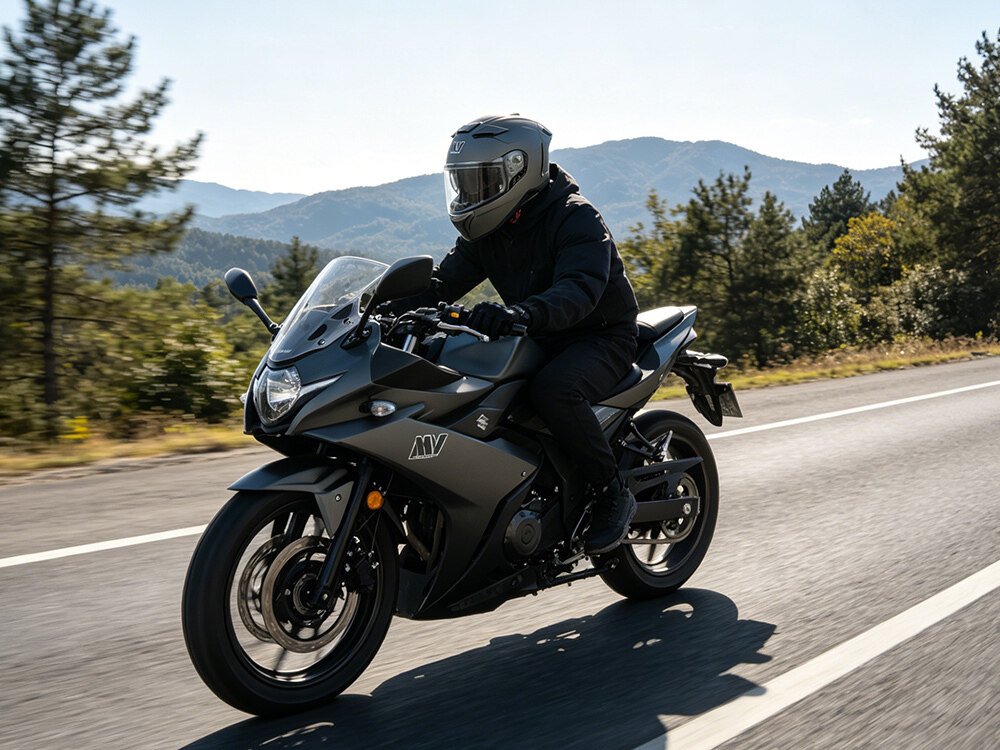
Carbon fiber helmets carry a premium image, and many riders assume that a carbon shell automatically means top-level safety. In reality, material alone does not prove protection. Certification is what confirms that a carbon helmet has been engineered and tested to protect riders properly. Because carbon helmets are often lighter and more expensive than other options, understanding their certification is especially important. It helps riders and buyers separate genuinely protective products from those that simply look impressive.
Why Certification Matters Even More for Carbon
Carbon fiber’s main appeal is its combination of strength and low weight. However, reducing weight requires careful engineering. If a shell is made too thin or a liner is poorly matched, weight savings can come at the cost of protection. Certification ensures that the finished helmet, not just the material, meets required safety levels. For premium buyers, certification also protects their investment, confirming that a higher price reflects real performance rather than appearance or marketing alone.
Certification Applies to the Whole Helmet
A common misunderstanding is that certification relates only to the shell. In fact, standards test the entire helmet as a system, including shell, EPS liner, retention system, and visor. When choosing a carbon helmet from a full face motorcycle helmets manufacturer such as MY Helmet, riders benefit from designs where every component is engineered to work together. The carbon shell spreads impact force, the liner absorbs energy, the strap keeps the helmet secure, and the visor protects vision.
Key Standards for Carbon Helmets
Carbon helmets are certified to the same standards as other helmets. ECE 22.06 is one of the most demanding, adding rotational impact tests, more impact points, and stricter visor requirements. DOT certification is required in the United States, while CCC applies in China and other regions have their own standards. MY Helmet’s carbon fiber FF960 is certified to ECE 22.06, demonstrating that its lightweight carbon construction meets modern testing expectations. Riders should always check which standards apply in their market.
Real Carbon Versus Carbon-Look Finishes
Some helmets use a carbon-look layer over cheaper materials, creating the appearance of carbon without its structural benefits. These helmets may still be certified, but their certification reflects the underlying material, not carbon performance. Riders paying premium prices should confirm that the helmet uses genuine structural carbon. MY Helmet emphasises real carbon construction, engineering ultra-lightweight shells for strong impact resistance. Asking manufacturers about construction and weight helps buyers understand exactly what they are paying for.

Reading Certification Labels Correctly
Certification labels provide important information. ECE labels, typically sewn onto the chin strap, include approval codes and serial numbers. DOT labels appear on the back of the helmet shell. Labels should be clear, permanent, and professionally applied. Loose stickers, unclear printing, or missing information are warning signs. Riders should also check that certification matches the exact model they are buying. Reputable brands like MY Helmet provide clear labelling and supporting documentation for their certified models.
Documentation for Buyers and Distributors
Distributors and dealers selling carbon helmets need more than labels. They should request certificates and test reports from manufacturers, confirming compliance for each model and version. This documentation supports imports, protects against liability, and gives sales teams credible information for customers. MY Helmet’s integrated production and consistent quality control help ensure that every carbon helmet matches its certified design. Keeping documentation organised also helps businesses respond confidently to customer or regulator questions.
Choosing Certified Carbon With MY Helmet
Understanding carbon helmet certification means recognising that standards test the whole helmet, knowing which standards apply, distinguishing real carbon from carbon-look finishes, reading labels correctly, and keeping proper documentation. MY Helmet offers genuine carbon fiber helmets certified to demanding standards such as ECE 22.06, backed by more than 20 years of experience. For riders and buyers who want premium carbon helmets with verified protection, MY Helmet delivers certification you can trust.