Tummy Tuck in Dubai
A tummy tuck, medically known as abdominoplasty, is a surgical procedure designed to remove excess abdominal skin and fat while tightening weakened or separated abdominal muscles when appropriate. People considering Tummy Tuck in Dubai often want to understand exactly what happens inside the operating room, from anesthesia and incisions to muscle repair, removal of excess tissue, and closure.
The exact surgical technique depends on the patient’s anatomy, the amount of excess skin, abdominal muscle condition, previous surgeries, and desired outcome. A personalized assessment with Dr. Vikesh Vij can help determine the appropriate approach.
Understanding each stage of surgery can make the process easier to understand and help patients develop realistic expectations. The American Society of Plastic Surgeons describes the general tummy tuck process as involving anesthesia, incision, treatment of underlying tissues, removal of excess skin, and closure.
What Happens Before Tummy Tuck in Dubai Surgery?
Before the operation begins, the surgical team reviews the patient’s medical information and confirms the treatment plan. This stage is important because abdominoplasty is an individualized procedure.
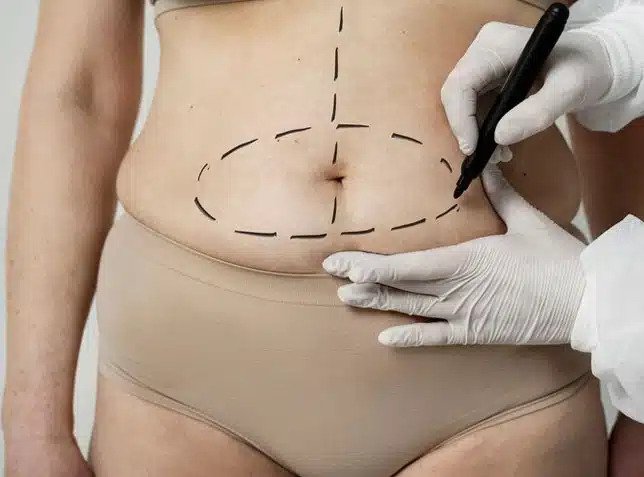
The surgeon may examine the abdomen, assess skin laxity, evaluate abdominal muscle condition, and determine where incisions should be placed. Medical history, medications, allergies, previous operations, smoking status, and other relevant factors should also be discussed.
Patients may undergo medical evaluation or laboratory testing when appropriate. Preoperative instructions can include guidance about medications, supplements, smoking, eating, and drinking.
Dr. Vikesh Vij can explain the planned surgical steps and answer questions about recovery, scarring, potential complications, and expected before and after results.
How Is Anesthesia Given During Tummy Tuck in Dubai?
Anesthesia is administered before the surgical procedure to keep the patient comfortable. The appropriate anesthesia approach depends on the individual procedure and medical circumstances.
For a full abdominoplasty, general anesthesia may be used, although the specific choice is determined by the medical team. The patient is monitored throughout surgery to support safety.
Once anesthesia has taken effect, the surgical area is prepared and the planned incisions are made according to the agreed surgical design.
The American Society of Plastic Surgeons notes that anesthesia is the first general stage of Tummy Tuck in Dubai surgery and that the appropriate method is selected according to the patient’s circumstances.
How Is the Incision Made During Tummy Tuck Surgery?
The incision pattern depends on the amount and location of excess skin and the type of abdominoplasty being performed.
In a traditional full tummy tuck, a horizontal incision is generally made in the lower abdomen. Its length and shape vary according to the patient’s anatomy and the amount of skin that needs to be removed.
The surgeon carefully plans the incision to allow access to the underlying abdominal tissues while considering the final position of the scar.
If excess skin extends above the belly button, an additional incision around the navel may be necessary. The specific technique is determined during surgical planning.
What Happens to the Abdominal Muscles During Surgery?
One important part of some tummy tuck procedures is addressing weakened or separated abdominal muscles.
Muscle separation can occur following pregnancy, significant weight changes, or other changes affecting the abdominal wall. When muscle repair is appropriate, the surgeon can tighten and reinforce the abdominal wall as part of the procedure.
The purpose is not simply to remove skin but to improve the overall abdominal contour when muscle laxity is present.
The exact amount and method of muscle repair vary between patients. Dr. Vikesh Vij can determine whether muscle repair should be included based on an individual abdominal assessment.
How Is Excess Skin Removed During Tummy Tuck in Dubai?
After the abdominal tissues have been accessed, excess skin is carefully separated and removed. The amount removed depends on the patient’s anatomy and the surgical plan.
The remaining abdominal skin is then repositioned to create a smoother and flatter abdominal contour. Excess tissue is trimmed while preserving appropriate blood supply to the remaining skin.
If the belly button needs to be repositioned, a new opening can be created in the abdominal skin so that the navel can be brought through and positioned appropriately.
The goal is to create an abdominal appearance that is proportionate to the patient’s overall body structure.
Is Liposuction Used During Tummy Tuck Surgery?
Liposuction may sometimes be considered as an additional contouring technique when appropriate. However, it is not automatically required for every tummy tuck patient.
Whether liposuction is suitable depends on the patient’s fat distribution, skin quality, anatomy, and overall treatment goals.
The decision should be made during the surgical planning process rather than assuming that every abdominoplasty requires liposuction.
A personalized assessment with Dr. Vikesh Vij can help determine which techniques are appropriate for the patient’s specific needs.
How Are the Incisions Closed After Tummy Tuck Surgery?
After the necessary tissue removal and abdominal repair have been completed, the remaining skin is carefully brought together.
The surgical incisions can be closed using appropriate sutures and other closure materials according to the surgeon’s technique. Dressings or bandages may then be applied.
Some patients may also require temporary drainage tubes to help remove excess blood or fluid during the initial healing period. Compression garments may be recommended to support the abdomen and help manage swelling.
Patients receive specific instructions about incision and drain care before leaving the surgical facility.
What Happens Immediately After Tummy Tuck in Dubai Surgery?
After surgery, the patient is monitored during the initial recovery period. The abdomen may be covered with dressings or a compression garment, and temporary drains may be present when required.
Swelling, bruising, soreness, tightness, and limited movement can occur during the early recovery period. These are common aspects of surgical healing, although every patient’s experience is different.
Patients receive instructions regarding medications, wound care, activity, bathing, compression garments, and follow-up appointments.
The patient should follow the specific postoperative instructions provided by Dr. Vikesh Vij and the surgical team.
What Are the Risks During or After Tummy Tuck Surgery?
Like other major surgical procedures, abdominoplasty has potential risks. These can include bleeding, infection, fluid accumulation, poor wound healing, changes in skin sensation, unfavorable scarring, asymmetry, blood clots, prolonged swelling, and the possibility of revision surgery.
The risks vary depending on the individual patient and procedure. Patients should discuss their personal risk factors before consenting to surgery.
Understanding potential complications is an important part of informed decision-making. Patients should also know which symptoms require prompt communication with their surgical team after the procedure.
How Long Does Recovery Take After Tummy Tuck in Dubai?
Recovery varies depending on the surgical technique, extent of treatment, general health, and individual healing.
During the early recovery period, patients may have swelling and discomfort and may need to limit activities. Walking is generally encouraged when medically appropriate, while heavy lifting and strenuous exercise are restricted until the surgeon provides clearance.
The American Society of Plastic Surgeons recommends following individualized instructions regarding wound care, drains, medications, compression garments, and returning to normal activities.
The final abdominal contour may not be visible immediately because swelling can obscure the result. The appearance generally continues to improve as healing progresses.
What Are Tummy Tuck Before and After Results Like?
Tummy tuck before and after results vary according to each patient’s starting anatomy and the surgical approach used.
Before surgery, patients may have excess abdominal skin, loose tissue, abdominal muscle separation, or a protruding abdominal contour. Following recovery, the abdomen may appear flatter, firmer, and more proportionate.
However, before-and-after photographs should be viewed as examples rather than guarantees. Previous abdominal surgery, skin quality, body shape, healing, and the amount of tissue removed can influence the final appearance.
The American Society of Plastic Surgeons notes that swelling can initially obscure the final outcome and that complete healing takes time.
What Is Tummy Tuck Cost in Dubai?
The Tummy Tuck Cost in Dubai varies depending on the complexity of surgery and the patient’s individualized treatment plan.
Factors that can affect the cost include the surgical technique, amount of excess skin, need for muscle repair, anesthesia, surgical facility, postoperative care, medical assessments, compression garments, and follow-up appointments.
Patients should ask for a transparent breakdown of the expected expenses before proceeding. Any quoted treatment price should be clearly understood as excluding VAT unless otherwise stated.
The cost should be discussed alongside the complete treatment plan rather than considered separately from surgical care, safety, recovery support, and follow-up.
What Happens During Tummy Tuck for Men in Dubai?
Tummy Tuck for Men in Dubai follows the same fundamental surgical principles, but the treatment is customized according to male anatomy and individual goals.
Men may consider abdominoplasty after significant weight loss or when excess abdominal skin and weakened abdominal tissues remain despite lifestyle efforts.
During surgery, excess skin may be removed and abdominal muscle laxity may be addressed when appropriate. The incision and contouring strategy are determined according to the patient’s body structure.
Dr. Vikesh Vij can evaluate the abdomen and discuss whether Tummy Tuck for Men in Dubai is appropriate for the patient’s specific circumstances.
How Should You Choose the Best Tummy Tuck Surgeon in Dubai?
When researching the Best Tummy Tuck Surgeon in Dubai, patients should consider relevant qualifications, experience, surgical planning, facility standards, safety practices, communication, and postoperative follow-up.
Patients can ask questions about the surgeon’s experience with abdominoplasty, the recommended technique, incision placement, potential complications, recovery expectations, and realistic results.
A detailed consultation also allows patients to understand why a particular surgical approach has been recommended for their anatomy.
For patients considering treatment with Dr. Vikesh Vij, the consultation provides an opportunity to discuss the procedure, individualized surgical plan, recovery, and expected outcome.
Frequently Asked Questions About Tummy Tuck in Dubai
How long does Tummy Tuck in Dubai surgery take?
The duration varies depending on the surgical technique, extent of tissue removal, muscle repair, and whether additional contouring is performed. The exact operating time can be discussed during the individual surgical consultation.
Is tummy tuck surgery painful?
Patients may experience discomfort, tightness, swelling, and soreness following surgery. Pain management is provided according to the individual patient’s needs, and specific postoperative instructions should be followed.
When will I see my Tummy Tuck before and after results?
Some changes can be noticed after surgery, but swelling can initially obscure the outcome. The abdomen continues to heal and settle over time, so the final appearance should not be judged immediately.
Is Tummy Tuck for Men in Dubai different from women’s tummy tuck surgery?
The fundamental principles are similar, but the surgical plan is customized according to the patient’s anatomy, skin distribution, abdominal structure, and aesthetic goals. Dr. Vikesh Vij can explain the appropriate approach during consultation.
What factors affect Tummy Tuck Cost in Dubai?
The Tummy Tuck Cost in Dubai can depend on surgical complexity, technique, anesthesia, facility charges, muscle repair, postoperative care, and other treatment requirements. Patients should request a detailed quotation and confirm that the stated amount is excluding VAT unless otherwise specified.
Conclusion
Understanding what happens during Tummy Tuck in Dubai can help patients prepare for the procedure and develop realistic expectations. Abdominoplasty generally involves anesthesia, carefully planned incisions, removal of excess abdominal skin, possible muscle repair, repositioning of the remaining tissues, and closure of the surgical incisions.
The recovery process is also an important part of the overall treatment. Swelling and discomfort can occur after surgery, and the final appearance develops gradually as the tissues heal. Following postoperative instructions can support the recovery process.
Patients considering Tummy Tuck for Men in Dubai can receive an individualized approach based on their anatomy and goals. Understanding the Tummy Tuck Cost in Dubai, including expenses excluding VAT, can also help with treatment planning.
When researching the Best Tummy Tuck Surgeon in Dubai, patients should carefully consider qualifications, relevant experience, surgical planning, safety, and follow-up care. A consultation with Dr. Vikesh Vij can provide personalized information about the surgical approach, potential risks, recovery, and expected before and after results.