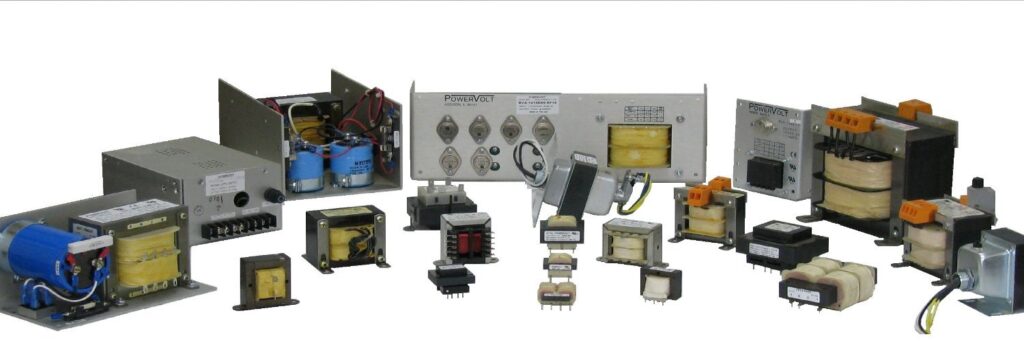
Choosing the right industrial control transformers is crucial for ensuring efficiency, safety, and reliability in any industrial or commercial setup.
From manufacturing plants to automated systems, the right transformer directly impacts performance and long-term operational costs. This guide by Powervolt Group will help businesses make informed purchasing decisions.
What Are Industrial Control Transformers?
Industrial control transformers are designed to convert high input voltage into a stable, lower voltage required for control circuits such as relays, contactors, solenoids, and PLCs. Unlike general-purpose transformers, they are specifically built to handle high inrush currents while maintaining consistent output voltage. This ensures smooth and reliable operation of sensitive equipment.
Why Are They Important for Businesses?
Investing in the right transformer is not just a technical requirement—it’s a strategic business decision.
Reliable Operations: Stable voltage ensures uninterrupted functioning of automation systems, minimizing downtime.
Equipment Protection: These transformers isolate control circuits from the main power supply, protecting costly components from voltage fluctuations and electrical noise.
Enhanced Safety: By stepping down high voltage to safer levels, they reduce electrical risks and help meet safety standards.
Improved Efficiency: Consistent voltage improves machine performance, reduces errors, and boosts productivity.
Key Factors to Consider Before Buying
Selecting the right industrial control transformer requires careful evaluation of several factors:
Power Rating (VA/kVA): Ensure the transformer meets both steady-state and inrush load requirements.
Voltage Requirements: Identify primary (input) and secondary (output) voltage needs. Common setups step down from 415V to 120V or 24V.
Inrush Current Capacity: Choose a transformer capable of handling high initial current without voltage drops.
Phase Type: Single-phase transformers are suitable for smaller applications, while three-phase units are ideal for heavy industrial use.
Mounting Options: Depending on your setup, choose from chassis mount, PCB mount, or H-frame designs.
Environmental Conditions: Consider temperature, moisture, and whether the transformer will be used indoors or outdoors.
Compliance Standards: Always select transformers that meet recognized standards such as IEC, UL, or CSA.
Types of Industrial Control Transformers
Understanding the types available helps in choosing the right solution:
- Step-Down Transformers: Most commonly used to reduce voltage for control circuits.
- Step-Up Transformers: Used where higher voltage is required.
- Isolation Transformers: Provide electrical separation for safety and noise reduction.
- Single-Phase and Three-Phase Transformers: Selected based on application scale and complexity.
Cost Considerations
The cost of industrial control transformers depends on factors such as power rating, voltage class, build quality, and customization. While smaller units are more affordable, heavy-duty transformers come at a higher price. However, investing in high-quality products reduces maintenance costs and improves long-term performance.
Common Mistakes to Avoid
- Undersizing the transformer, leading to overheating
- Ignoring inrush current requirements
- Choosing low-quality materials
- Overlooking compliance standards
Avoiding these mistakes ensures better system reliability and return on investment.
Why Choose Powervolt Group?
Powervolt Group offers high-performance industrial control transformers designed for durability, efficiency, and superior voltage regulation. With a focus on quality and compliance, the brand also provides customized solutions tailored to diverse industrial needs.
Conclusion
Selecting the right industrial control transformer is essential for maintaining operational efficiency, safety, and cost-effectiveness. By evaluating technical requirements and choosing a trusted provider like Powervolt Group, businesses can ensure reliable and long-lasting performance.
FAQs
- What are industrial control transformers used for?
They supply stable low voltage to control circuits like PLCs, relays, and contactors. - How do they differ from power transformers?
They are designed for high inrush currents and stable output, unlike power transformers used for energy distribution. - What affects transformer selection?
Power rating, voltage, phase type, environment, and compliance standards. - What is their lifespan?
Typically 10–20 years with proper maintenance. - Are custom solutions available?
Yes, manufacturers like Powervolt Group offer tailored transformer solutions.