Customers today care about what happens to packaging after the unboxing is over. Overstuffed trash bags, single-use plastics, and wasteful shipping have all drawn criticism, and brands are paying attention. At the same time, businesses still need packaging that protects products and looks attractive. The challenge is finding a balance, and thoughtful production choices can help. Ipack Packaging has been integrating more sustainable practices into its foldable box production, from material selection to shipping efficiency. Understanding how these choices work can help brands make responsible decisions without sacrificing the quality and presentation their customers expect.
Responsible Materials as the Starting Point
Material choice has the biggest environmental impact of any packaging decision. Paperboard made from responsibly managed forests, recycled content, and water-based coatings all reduce the footprint of a box. Many brands look for certifications such as FSC, which indicates that the wood fiber comes from forests managed according to recognized standards. Choosing paper-based wrapping instead of plastic laminates can also make recycling easier. Ipack Packaging works with clients to match eco-friendlier materials to their product needs, explaining the tradeoffs honestly. Some options look and feel slightly different from conventional ones, but modern sustainable materials can achieve a surprisingly high-end appearance.
Flat-Pack Design Reduces Hidden Emissions
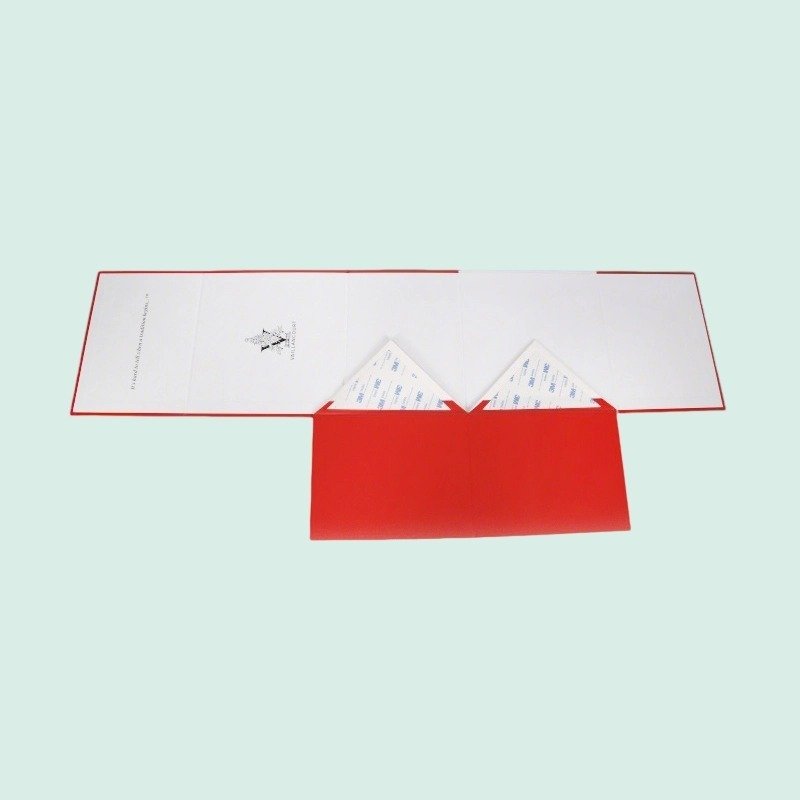
Sustainability is not only about what a box is made of. How it travels matters too. Foldable packaging ships flat, so far more units fit in each carton and each container. That means fewer shipments, less fuel burned per box, and a smaller carbon footprint across the supply chain. Warehouses also need less space, which lowers energy use for storage. These benefits are easy to overlook because they happen out of sight, yet they can be substantial for large orders. Choosing a flat-pack structure is one of the simplest ways to cut emissions without changing the visual character of the packaging.
Cleaner Production and Less Waste
Factories can reduce their environmental impact through careful process control. Efficient layouts of printed sheets minimize offcut waste, while recycling of trimmed paper keeps scrap out of landfills. Soy-based or vegetable-based inks and water-based glues reduce the use of harsh chemicals. Energy-conscious equipment and well-planned production schedules avoid unnecessary power use. Ipack Packaging emphasizes accurate planning so fewer boxes are rejected or reprinted, because waste prevention is always better than waste recycled. These improvements often reduce costs too, proving that responsible manufacturing and good business sense are not opposing ideas but can reinforce each other nicely.
Designing for Reuse and Recycling
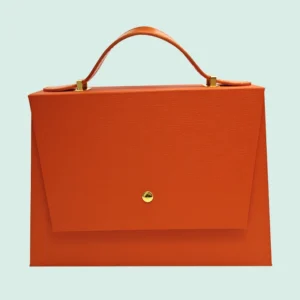
A box that gets reused has a much lower lifetime impact than one thrown away after a single day. Sturdy construction and attractive design encourage customers to keep boxes for storage, keepsakes, or future gifts. Brands can reinforce this by printing a gentle reminder on the inside of the lid. For items that will be discarded, clean material choices help recycling. Avoiding mixed materials like glued plastic windows or metallic films makes separation easier. Simple structures, minimal adhesives, and clear recycling instructions all help customers dispose of packaging responsibly, turning good intentions at the factory into good outcomes at home.
Communicating Your Commitment Honestly with a foldable gift box
Customers appreciate transparency, but they are also quick to spot exaggerated green claims. If you choose a recycled or certified foldable gift box, say so clearly and specifically, without vague slogans that promise more than you deliver. Mention the materials used, any certifications, and how to recycle the box. Honest, modest messaging builds more trust than grand declarations. Sustainability is a journey, so it is fine to acknowledge areas for improvement while highlighting real progress. Brands that pair genuine action with straightforward communication tend to earn lasting loyalty, and packaging offers a visible place to show that commitment every single day. Small, honest steps repeated consistently will always carry more weight than one dramatic announcement, and customers tend to notice the difference over time.