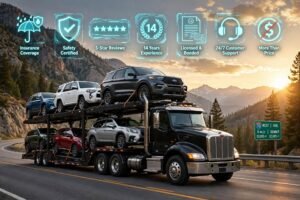
A vehicle purchased in California might eventually become part of a family’s daily routine in Georgia. A dealership in Texas may receive inventory from an auction in Pennsylvania, while someone relocating from New York to Florida may need their automobile delivered before starting a new job. Behind these everyday situations is a transportation network that keeps vehicles moving between American states. Car moving companies play an important role in this network by coordinating vehicle pickup, carrier arrangements, and delivery for customers who need transportation beyond their local area.
The industry involves much more than loading automobiles onto trailers. It combines logistics planning, customer communication, carrier coordination, scheduling, and transportation management. Companies such as Rapid Auto Shipping help customers navigate these arrangements when moving vehicles across the United States.
An Interstate Shipping Order Has More Moving Parts Than Expected
When customers think about vehicle transportation, they often imagine a truck collecting a car and delivering it to another address. However, several activities take place before the vehicle reaches its destination.
The process generally begins with a transportation request. Customers provide information about their automobile, pickup location, destination, and preferred shipping dates. Based on these details, a suitable transportation arrangement can be explored.
The next stage involves coordinating an available carrier. Factors such as vehicle dimensions, route availability, pickup accessibility, and transportation requirements influence the arrangements.
Once the shipment is scheduled, the vehicle is prepared for collection. Its condition is documented during the inspection process, and the customer receives information about the transportation arrangements.
At delivery, another inspection helps compare the vehicle’s condition with the original documentation.
Every stage contributes to making interstate transportation more organized.
Why America’s Vehicle Market Depends on Interstate Logistics
The American automotive marketplace operates across state boundaries. Dealerships regularly purchase inventory from auctions, manufacturers, wholesalers, and other sellers located in different regions.
Individual buyers also benefit from this interconnected marketplace. Someone searching for a specific model may find a better price or a more suitable vehicle several hundred miles away.
Without professional transportation arrangements, these transactions could become more difficult to manage.
Consider three common examples:
- Online vehicle purchases: Buyers can purchase automobiles from distant dealerships without personally collecting them.
- Auction transactions: Dealers and individuals can arrange transportation after purchasing vehicles through automotive auctions.
- Corporate fleet movement: Businesses can reposition automobiles between branches and operational locations.
These activities create a continuing need for transportation services that connect different parts of the country.
The Economics Behind Moving a Vehicle Across States
Vehicle transportation pricing is influenced by several logistical and market-related considerations. Distance is important, but it is not the only factor that determines the final estimate.
For instance, transporting a vehicle between two major metropolitan areas may involve different costs from shipping the same distance between rural locations.
Other important pricing considerations include:
- Vehicle dimensions and weight: Larger automobiles may occupy more carrier space or require additional transportation capacity.
- Route popularity: Frequently traveled routes may offer more carrier availability than less common destinations.
- Seasonal demand: Snowbird relocation periods and summer moving seasons can influence transportation demand.
- Pickup accessibility: Narrow streets, restricted neighborhoods, and limited truck access may require alternative meeting arrangements.
- Vehicle condition: Non-running automobiles may require specialized loading equipment and additional coordination.
Customers should request a detailed estimate and understand which services and potential charges are included before confirming a shipment.
Not Every Automobile Follows the Same Transportation Journey
One interesting aspect of the vehicle shipping business is the variety of automobiles that move through the transportation network.
A standard passenger sedan has different requirements from a heavy SUV, vintage automobile, luxury sports car, or commercial vehicle.
For example, classic car owners may prioritize careful handling and suitable transportation arrangements because their vehicles can have significant financial or sentimental value.
Electric vehicles introduce considerations involving vehicle weight, battery condition, and manufacturer handling recommendations.
Non-operational automobiles require suitable loading arrangements because they cannot simply be driven onto a trailer.
This variety means transportation providers must understand the specific requirements of each shipment instead of treating every vehicle identically.
The Human Side of Vehicle Transportation
Although logistics technology has improved considerably, people remain central to the vehicle transportation business.
Customers may be coordinating a stressful household relocation, purchasing their first vehicle online, or arranging transportation for an automobile inherited from a family member.
In these situations, communication matters just as much as transportation arrangements.
Customers generally appreciate knowing:
- When the vehicle is expected to be collected.
- Where the pickup will take place.
- How the vehicle’s condition will be documented.
- What insurance arrangements apply during transportation.
- Whom to contact if scheduling changes occur.
Clear explanations help customers understand the process and make informed decisions.
How Rapid Auto Shipping Supports Interstate Vehicle Relocation
As vehicle purchases and residential relocations increasingly cross state boundaries, Rapid Auto Shipping helps customers explore transportation arrangements throughout the United States.
The company assists customers with different vehicle shipping requirements, including interstate relocation, dealership purchases, auction transactions, and specialty vehicle movements.
Customers can share their vehicle information, origin, destination, and preferred timeframe to discuss suitable shipping arrangements.
For example, a person purchasing an automobile from another state can explore delivery options rather than organizing a lengthy road trip. Similarly, a family relocating across the country can arrange vehicle transportation while focusing on housing, employment, and other moving responsibilities.
Rapid Auto Shipping aims to make the coordination process easier by helping customers understand their transportation requirements and available arrangements.
What Customers Should Check Before Handing Over Their Keys
A little preparation can prevent unnecessary confusion during vehicle transportation.
Before confirming an order, customers should review the estimate, understand the carrier arrangements, and ask questions about applicable insurance coverage.
Once pickup is scheduled, several practical steps can help:
- Wash the automobile so its existing condition is easier to inspect.
- Photograph the exterior from multiple angles.
- Remove personal belongings and unnecessary accessories.
- Check tire pressure and identify any mechanical issues.
- Keep a copy of relevant transportation documentation.
- Review the vehicle inspection report before signing.
Customers should also confirm the delivery arrangements and make sure someone is available to receive the automobile.
Where Is the Interstate Car Moving Industry Headed?
The future of vehicle transportation will be shaped by online automotive commerce, changing relocation patterns, electric vehicle adoption, and business expansion.
As more consumers purchase vehicles outside their local markets, transportation providers will continue supporting transactions that connect distant buyers and sellers.
Digital booking systems may simplify shipment coordination, while improved communication tools can help customers stay informed throughout the process.
Ultimately, car moving companies are an important part of America’s automotive infrastructure. Their work connects dealerships, auction platforms, individual buyers, and relocating families through a nationwide transportation network.
Frequently Asked Questions
- What do car moving companies do?
They coordinate the transportation of automobiles between different locations, including interstate moves, dealership purchases, auctions, and personal relocations.
- How much does interstate car transportation cost?
Pricing depends on distance, vehicle size, route availability, seasonal demand, and transportation requirements. Customers should request estimates based on their specific shipment details.
- Can I transport a car purchased from an online dealership?
Yes. Customers can arrange vehicle transportation from online dealerships, private sellers, and auction locations, subject to pickup and carrier requirements.
- Are vehicles insured during transportation?
Motor carriers generally maintain applicable cargo insurance, but coverage varies. Customers should request insurance details and understand exclusions and claim procedures before shipping.
- How long does interstate vehicle transportation take?
Delivery time depends on distance, route conditions, carrier scheduling, weather, and pickup and delivery accessibility.