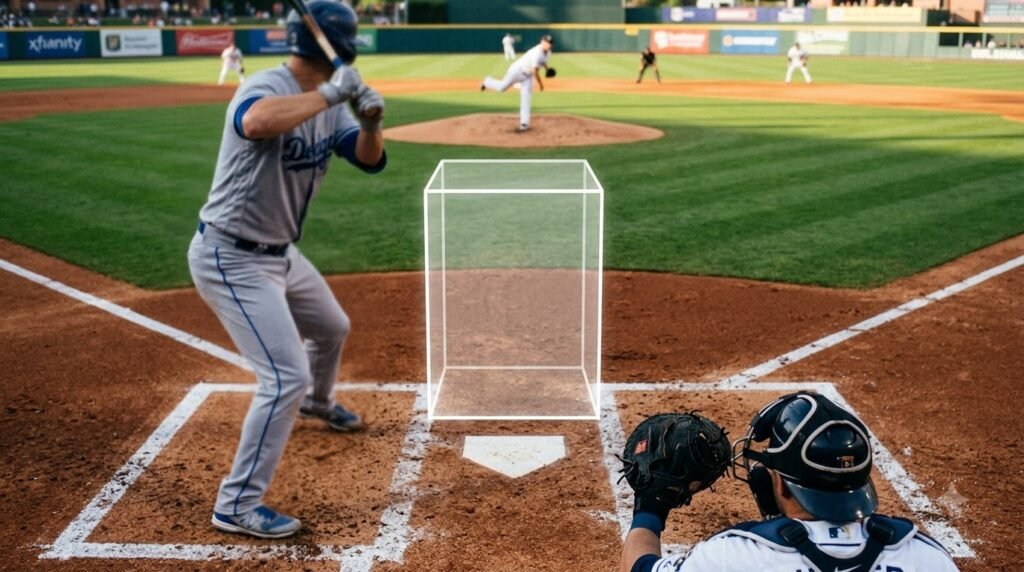
Few things slow down a baseball or softball practice faster than a poorly defined strike zone. When batters and pitchers aren’t working from the same visual reference, you lose consistency in training, arguments break out at the plate, and players develop bad habits that carry over into game situations.
Getting your setup right starts with understanding what a properly sized and positioned strike zone home plate actually looks like — and investing in equipment that reflects real game conditions. If you’re looking for a purpose-built option, a regulation-ready strike zone home plate from a reputable equipment source makes a measurable difference in how your practices run.
What Exactly Is the Strike Zone, and Why Does It Matter for Practice?
The strike zone is the area over home plate through which a pitch must pass to be called a strike. According to official rules, it extends from the midpoint between a batter’s shoulders and waistband down to the hollow of the knee — with home plate as the horizontal boundary.
The problem during practice is that this zone exists only in theory unless you have a physical reference. Without a visible strike zone marker, pitchers aim at a general area, catchers receive inconsistently, and batters have no reliable way to train their pitch recognition.
A strike zone home plate solves this by giving every player on the field a shared visual anchor.
Regulation Dimensions: Know Before You Buy or Build
Home plate in official baseball is a five-sided rubber slab measuring 17 inches across the front edge, where pitches cross. Youth softball and Little League setups use the same basic dimensions, though younger leagues sometimes use modified target overlays to account for shorter pitchers and smaller strike windows.
The strike zone height changes with every batter, which is why adjustable targets exist. A static zone display still helps when you’re working on pitcher accuracy, catcher framing drills, and mechanical repetitions in bullpen sessions.
When evaluating equipment, make sure the base dimensions are regulation. A home plate that runs narrow distorts pitcher training and builds habits that don’t transfer to game conditions.
Who Actually Needs a Strike Zone Home Plate?
The short answer: almost every serious team or training program benefits from one.
Youth coaches use zone-marked plates to teach young pitchers what “throwing strikes” actually means in a concrete, visual way. Abstract instruction rarely works with kids — a physical target does.
High school and travel programs use them for bullpen efficiency. When pitchers can see immediate feedback on their location, sessions become shorter and more productive.
Batting cage setups benefit because a properly marked plate gives batters a real pitch-recognition reference rather than guessing where the ball crossed the plate.
Private pitching instructors often use zone trainers alongside video analysis to show clients where their misses are happening and why.
Common Mistakes When Setting Up the Strike Zone
The Plate Is Positioned Too Far from the Batter’s Box
This happens more often than coaches realize, especially when equipment gets moved between sessions. Home plate needs to sit exactly at the intersection of the batter’s box, not shifted back or forward. Even a few inches of misalignment changes the visual reference and undermines pitching mechanics work.
The Target Is Fixed at One Height for All Batters
One of the biggest errors in practice setups is using a rigid, non-adjustable strike zone for players of different heights. A 5’0″ player and a 5’10” player have meaningfully different strike zones. Training against the wrong height window builds inconsistent instincts for pitchers and inaccurate pitch recognition for batters.
If your equipment doesn’t accommodate some form of height adjustment or zone reference, you’re working around a real limitation.
The Home Plate Material Is Too Lightweight
Rubber plates that shift during use, especially on dirt surfaces, become unreliable reference points. A plate that moves every few pitches forces constant repositioning and interrupts practice flow. Look for weighted or stake-compatible designs built for outdoor field use.
Overlooking Durability in High-Repetition Settings
Training equipment takes a beating. Home plates used in bullpen sessions see hundreds of pitches per week. Thin rubber or brittle plastic doesn’t hold up. Cracked or warped plates create uneven surfaces that can also create tripping hazards near the plate.
How to Use the Strike Zone for Better Pitcher Development
A strike zone home plate is only as useful as the drills built around it. Here are practical ways to maximize what the equipment gives you.
Location-Based Pitching Drills
Divide the zone into quadrants mentally — high/low, inside/outside. Have pitchers work through each quadrant systematically rather than just “throwing strikes.” This builds command, not just accuracy.
Catcher Framing Practice
The plate gives catchers a fixed reference for understanding which pitches are borderline and which are clearly out of the zone. This is foundational for developing the framing instincts that make a real difference in game situations.
Batter Pitch-Recognition Work
With a visible zone reference, batters can review pitch location immediately after at-bats or off a machine. Even a brief post-swing discussion about where the pitch crossed the plate becomes more productive when everyone is looking at the same physical reference.
What to Look for When Choosing Equipment
Material and Construction
Durable rubber compounds handle outdoor conditions better than rigid plastics. Look for options that resist UV degradation if the plate will live outside for a full season.
Size Compliance
Regulation 17-inch front edge. Confirm this before purchasing, especially for youth league setups where different organizations sometimes have slightly different specifications.
Surface Texture
A slightly textured surface prevents the plate from becoming dangerously slick in wet conditions. Smooth plates can create safety issues when catchers move around behind them during live situations.
Portability vs. Permanence
Are you setting this up on a permanent field or a multipurpose gym floor? Portable plates work well for travel teams and facilities with multiple sports. Anchored or weighted options are better for dedicated practice mounds and bullpen areas.
Pairing Your Home Plate with a Strike Zone Training System
A standalone plate is useful, but pairing it with a visual strike zone marker unlocks more drill options. Zone-frame trainers that attach at catcher’s-target height give pitchers an immediate visual frame to work within.
Some programs use these setups with radar guns to track both velocity and location simultaneously — combining raw data with visual feedback for more efficient bullpen sessions. Even without electronic tracking, the combination of a properly positioned strike zone home plate and a zone trainer creates a much more complete training environment than most programs at the amateur level invest in.
Frequently Asked Questions
What size is a regulation strike zone home plate?
The front edge of home plate is 17 inches wide in regulation baseball. The full plate is five-sided, with total dimensions of 17 inches across the front, 8.5 inches along each side, and a 12-inch back triangle pointing toward the catcher.
Can I use a strike zone plate for softball practice?
Yes. Softball uses the same home plate dimensions as baseball. The strike zone height differs slightly depending on the league and batter height, but the plate itself is the same specification.
How do I keep the home plate from shifting during practice?
Ground stakes work well on dirt or grass surfaces. On gym floors or artificial turf, weighted bases or non-slip rubber backing keep the plate in position without permanent installation.
Is a strike zone marker necessary, or is the plate enough?
For basic catcher and batter work, the plate alone is sufficient. For pitching accuracy drills and bullpen training, a zone marker that defines the full vertical strike window makes the setup significantly more useful.
What age group benefits most from zone-marked training equipment?
Youth players from roughly ages 8–14 show the most dramatic improvement because the visual reference helps translate abstract coaching into something concrete. That said, high school and college pitchers benefit from zone-based bullpen systems throughout their careers.
How often should I replace practice home plates?
Inspect them at the start of each season. Surface cracking, warping, or significant dimensional deformation are signs to replace. A well-made rubber plate used in typical practice conditions should last multiple seasons.