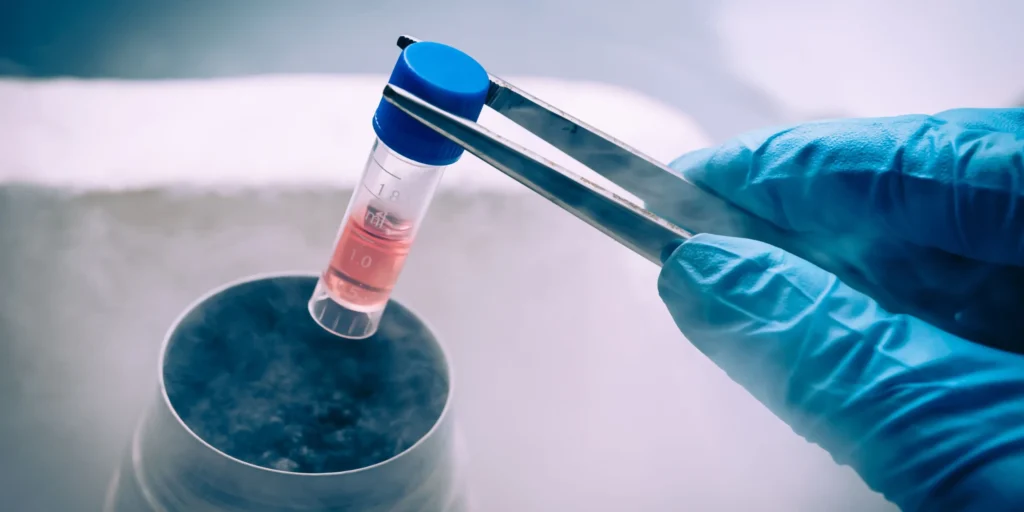
Stem Cells IV Therapy
Stem cells IV therapy has become one of the most talked-about topics in regenerative medicine and alternative wellness treatments. Promoted as a cutting-edge approach to healing and rejuvenation, this therapy involves delivering stem cells directly into the bloodstream through an intravenous (IV) infusion. Supporters claim it may help with inflammation, tissue repair, and chronic conditions, while critics argue that many claims are not yet fully supported by large-scale clinical evidence.
In this article, we’ll break down what stem cells IV therapy is, how it works, potential benefits, risks, legal considerations, and what patients should realistically expect. Check this also wellness clinics
What Is Stem Cells IV Therapy?
Stem cells IV therapy is a medical procedure where stem cells are administered into a patient’s bloodstream through an IV line. Unlike localized injections (for example, into joints or tissues), IV therapy allows stem cells to circulate throughout the body.
Stem cells are unique because they have the ability to develop into different types of cells, such as muscle cells, nerve cells, or blood cells. They also play a role in repair and regeneration by releasing signaling molecules that may influence healing processes.
The idea behind IV delivery is that stem cells can travel to areas of inflammation or injury and support the body’s natural healing response. Also check this nad iv drip
Types of Stem Cells Used in IV Therapy
Different types of stem cells may be used depending on the clinic and treatment protocol:
1. Mesenchymal Stem Cells (MSCs)
These are the most commonly used in IV therapy. They are typically derived from:
- Umbilical cord tissue
- Bone marrow
- Adipose (fat) tissue
MSCs are valued for their anti-inflammatory and immunomodulatory properties.
2. Hematopoietic Stem Cells
These stem cells form blood components and are more commonly used in bone marrow transplants rather than IV wellness therapies.
3. Umbilical Cord Stem Cells
Often marketed in regenerative clinics, these cells are considered young and highly potent, though ethical and regulatory concerns exist depending on sourcing.
How Does Stem Cells IV Therapy Work?
The procedure generally follows these steps:
- Collection and preparation
Stem cells are harvested from a donor source or, less commonly, from the patient. - Processing in a lab
Cells are purified, concentrated, and prepared for infusion under sterile conditions. - IV infusion
The stem cell solution is administered intravenously over a period of 30 minutes to several hours. - Circulation and response
Once in the bloodstream, stem cells are believed to:- Travel to sites of inflammation
- Release growth factors and cytokines
- Influence immune system activity
- Support tissue repair mechanisms
However, it is important to note that how many cells actually reach damaged tissues and how long they remain active is still under scientific investigation.
Potential Benefits of Stem Cells IV Therapy
Although research is ongoing, proponents of stem cell IV therapy suggest several potential benefits:
1. Reduced Inflammation
Stem cells may help regulate immune responses, potentially reducing chronic inflammation associated with conditions like arthritis or autoimmune diseases.
2. Tissue Repair and Regeneration
Some studies suggest stem cells can release signaling molecules that encourage the body to repair damaged tissues.
3. Immune System Modulation
MSCs in particular may help balance overactive immune responses, which is why they are being studied for autoimmune disorders.
4. Support for Chronic Conditions
Clinics often advertise stem cell IV therapy for:
- Chronic fatigue
- Fibromyalgia
- Lyme disease
- Neurological conditions (such as multiple sclerosis)
However, evidence varies widely depending on the condition and study design.
5. Anti-Aging and Wellness Claims
Some providers market stem cell IV therapy as a way to improve energy, skin health, and overall vitality. These claims are largely anecdotal and not conclusively proven.
What Conditions Is It Being Studied For?
Research into stem cell therapies is ongoing in many areas, including:
- Osteoarthritis
- Heart disease recovery
- Neurodegenerative disorders (e.g., Parkinson’s, Alzheimer’s)
- Spinal cord injuries
- Autoimmune diseases
- Chronic inflammatory conditions
While promising, most of these applications are still in clinical trial phases rather than standard medical practice.
Risks and Side Effects
Stem cells IV therapy is generally considered low to moderate risk when performed in regulated clinical environments, but it is not without potential complications.
Possible side effects include:
- Fever or chills after infusion
- Fatigue
- Headache
- Allergic reactions
More serious risks (rare but possible):
- Infection from contaminated products
- Immune reactions
- Blood clots (in rare cases)
- Unregulated or poorly processed stem cell products
A major concern is variability in clinic standards. Not all providers follow the same regulatory or laboratory quality controls.
Regulatory Status and Legal Considerations
The regulatory status of stem cell IV therapy varies significantly by country:
- In the United States, the FDA regulates most stem cell products. Many stem cell therapies are not fully approved outside of clinical trials.
- Some treatments are offered under “minimal manipulation” rules or compassionate use provisions.
- Other countries may have more permissive or less regulated environments, which can lead to inconsistent safety standards.
Patients should always verify:
- Whether the clinic is licensed
- Source of stem cells
- Laboratory processing standards
- Clinical evidence supporting the treatment
What Science Actually Says
While stem cell research is one of the most exciting areas of modern medicine, IV stem cell therapy specifically is still under investigation.
Key scientific realities include:
- Evidence is strongest for certain bone marrow and orthopedic applications.
- IV delivery effectiveness is still being studied.
- Many claimed benefits come from small-scale studies or observational data.
- Large randomized controlled trials are still limited for many conditions.
In short, stem cells IV therapy shows promise, but it is not yet a universally proven cure-all.
Cost of Stem Cells IV Therapy
Costs vary widely depending on location and provider. On average:
- Basic treatments: $3,000 – $5,000 per infusion
- Advanced protocols: $5,000 – $15,000+
- Multiple sessions may be recommended, increasing total cost significantly
Because many treatments are not covered by insurance, patients often pay out of pocket.
Who Might Consider It?
Stem cells IV therapy is typically explored by individuals who:
- Have chronic inflammatory or autoimmune conditions
- Have not responded well to conventional treatments
- Are seeking experimental or regenerative options
- Are participating in clinical trials
However, it should only be considered after consultation with a qualified medical professional.
Final Thoughts
Stem cells IV therapy represents a fascinating frontier in regenerative medicine. Its potential to influence healing, reduce inflammation, and support recovery has generated significant interest in both medical and wellness communities. However, it is equally important to separate emerging science from marketing claims.
While early research is promising, stem cell IV therapy is still not a fully standardized or universally approved treatment. Patients should approach it with cautious optimism, prioritizing safety, clinical evidence, and regulatory oversight.
As research continues, the next decade may bring clearer answers about how effective this therapy truly is—and for which conditions it may become a mainstream medical option.