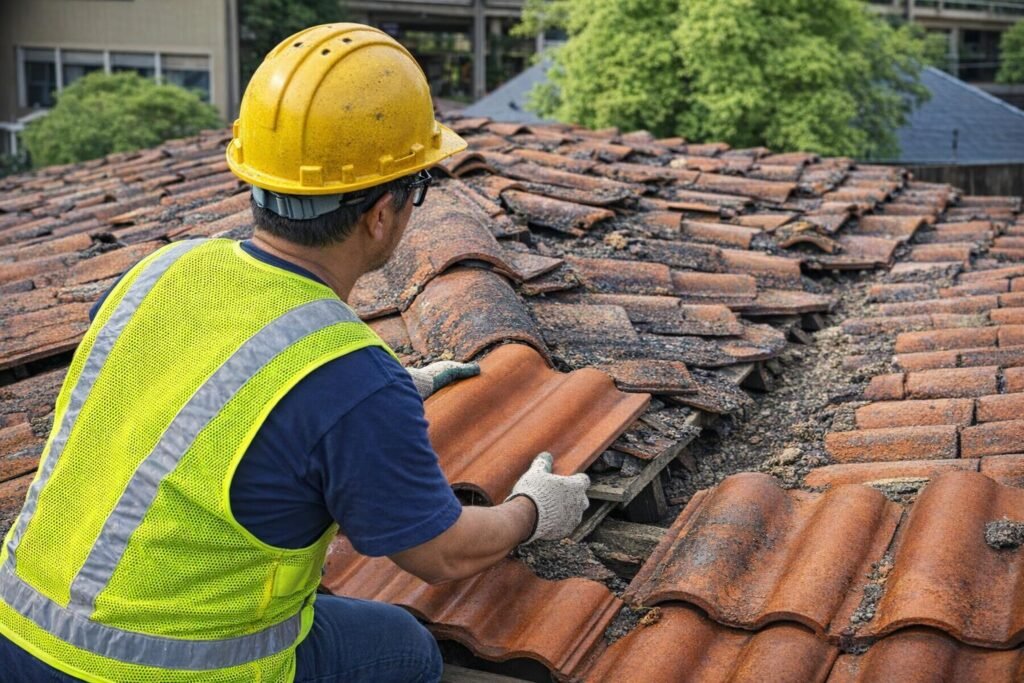
A small ceiling stain after a night of heavy rain is easy to dismiss. It may look like a minor inconvenience that can wait until a more convenient time. But moisture rarely follows a simple path. Once water gets beneath roofing materials, it can move through hidden spaces and gradually affect insulation, decking, framing, drywall, and other parts of the home.
That is why Roof Leak Repair should not be viewed simply as fixing a visible drip. The real goal is to identify where moisture is entering, understand why it happened, and address the underlying problem before it has an opportunity to spread.
For homeowners in Milwaukee, WI, seasonal changes can place additional demands on a residential roof. Rain, wind, snow, ice, and repeated temperature swings can expose weaknesses that may have gone unnoticed for years. Knowing what to watch for can help you respond before a small roofing concern becomes a much larger one.
Recognizing the Signs of Trouble Early
Roofing problems do not always announce themselves dramatically. Sometimes the earliest clue is a faint discoloration on a ceiling. In other cases, the first indication may be visible outside the home.
Watch for:
- Brown, yellow, or irregular ceiling stains
- Peeling or bubbling paint
- Dampness around upper walls
- A musty odor in an attic or upper room
- Wet or compressed insulation
- Missing, cracked, or lifted shingles
- Damaged flashing around roof openings
- Water marks that appear after rainfall
- Granules accumulating around downspouts
- Unexplained deterioration near chimneys or vents
One of the trickiest aspects of a leaking roof is that the visible evidence may not be located directly beneath the source. Water can travel along roof decking, framing, insulation, and other surfaces before it finally becomes noticeable inside.
A stain, therefore, is not necessarily the problem itself. It may simply be where the water happened to become visible.
Roof Leak Detection Is About Finding the Source
A quick look at the ceiling rarely tells the whole story.
Effective roof moisture detection requires examining the areas through which water may enter and tracing the conditions that allowed it to happen. Depending on the roof, that can include shingles, flashing, valleys, vents, chimneys, skylights, pipe boots, fasteners, and drainage points.
Flashing deserves particular attention because it protects transitions and openings where roofing materials meet other surfaces. If it becomes loose, damaged, or deteriorated, water may work its way underneath nearby materials.
Shingles can fail in several ways as well. Wind may lift them, hail can damage their surface, and age can make them brittle or less effective at shedding water. Sealants and exposed fasteners can also become vulnerable over time.
Simply sealing the first suspicious spot may not provide a lasting answer. The important question is not only where the water appeared, but how it reached that point in the first place.
Why Ignoring a Small Leak Can Lead to Bigger Problems
A roof problem does not need to look serious to cause damage.
Moisture that repeatedly reaches the same area can gradually weaken materials that were never designed to remain wet. Insulation may lose effectiveness, wood components can deteriorate, and interior finishes may begin to stain, swell, or break down.
There is another problem: water can remain hidden.
A ceiling may dry after the rain stops, creating the impression that everything has returned to normal. Yet moisture could still be trapped above the finished surface. If another storm follows, the same pathway may allow additional water inside.
Early attention gives homeowners a better opportunity to deal with the actual source before secondary damage becomes part of the project.
Residential Roof Leak Solutions Should Match the Condition of the Roof
Not every moisture problem calls for the same solution.
A single damaged shingle on an otherwise sound roof may be addressed with a localized repair. Deteriorated flashing might need to be corrected or replaced. A roof with widespread aging, recurring failures, or significant underlying deterioration may require a different approach altogether.
A professional recommendation should take several factors into account:
- Age and overall condition of the roofing system
- Location and extent of the damage
- Condition of the underlying deck
- Previous repair history
- Severity of storm-related damage
- Number of areas showing deterioration
- Expected remaining service life
This distinction matters because homeowners should not have to choose between “do nothing” and “replace everything.”
A responsible contractor should explain what was found, what options are available, and why a particular solution makes sense for the property.
Seasonal Weather Can Reveal Hidden Weaknesses
A roof experiences very different conditions throughout the year, and each season can expose a different vulnerability.
Heavy rain can test flashing, valleys, and drainage paths. Strong winds can loosen roofing materials or expose areas that were previously protected. Hail may leave surface damage that is difficult to recognize from the ground.
Winter brings its own challenges. Snow accumulation adds weight, while repeated freezing and thawing can place stress on vulnerable components. Ice dams can also interfere with normal drainage when melting snow refreezes along roof edges.
These conditions do not automatically mean a roof will fail. They do, however, make regular attention worthwhile.
After significant weather, homeowners should watch for new stains, missing materials, visible changes around roof penetrations, or other signs that the system may have been affected.
What to Do When Water Is Already Coming Inside
When water begins entering the home, protecting the people and property inside should come first.
If it is safe, move furniture, electronics, and valuables away from the affected area. Place a container beneath an active drip and use towels to limit the spread of water across floors or furnishings. Taking photographs of visible damage can also provide useful documentation.
Be particularly careful around electrical fixtures, outlets, and wiring. Water and electricity can create a dangerous combination, so avoid contact with affected electrical areas and seek qualified assistance when necessary.
Do not attempt to climb onto a wet, icy, or visibly damaged roof. A surface that seems manageable from the ground can become extremely hazardous after rain or freezing weather.
Temporary steps can help control the immediate situation, but they do not replace professional evaluation of the roofing system.
Choosing a Roofing Contractor With Confidence
When a roofing problem appears, finding a contractor is only the beginning. The quality of the assessment can have a major effect on the outcome.
A dependable professional should be willing to explain what they see rather than relying on vague descriptions. Homeowners should feel comfortable asking:
- Where is the moisture most likely entering?
- Is the problem isolated or spread across several areas?
- Has the underlying decking been affected?
- Is repair a reasonable long-term option?
- What would make replacement more appropriate?
- What work is included in the recommendation?
- Are there other areas that should be monitored?
Clear answers make it easier to compare options and avoid decisions based solely on price.
Experience with regional weather conditions can also be valuable. A contractor familiar with the challenges faced by homes throughout the area may be better positioned to recognize patterns associated with wind, snow, ice, hail, and seasonal moisture.
Preventive Maintenance Can Make Problems Easier to Manage
The most convenient roofing problem is the one discovered before it reaches the living space.
Periodic inspections can uncover deteriorated shingles, aging flashing, drainage problems, exposed fasteners, and other weaknesses while they are still relatively contained. Gutters and downspouts should also be kept clear so rainwater has a dependable route away from the home.
It is especially sensible to pay attention after severe weather. Not every damaged component will be obvious from the ground, and some problems may only become noticeable after the roof has been exposed to additional rainfall.
Maintenance cannot eliminate every roofing concern, but it can improve the chances of identifying trouble before it becomes disruptive.
Why Early Action Is Worth It
A roofing issue generally becomes easier—not harder—to manage when it is addressed promptly.
What begins as one damaged component can eventually affect surrounding materials if moisture continues to enter. Acting early can help limit secondary damage, preserve more of the existing roofing system, and give homeowners a wider range of practical options.
Absolute Restorations helps residential property owners evaluate roofing concerns and understand the condition of their roof before deciding what should happen next. Whether the concern follows a severe storm, appears around a roof penetration, or starts with an unexplained mark indoors, a careful assessment can replace guesswork with a clearer plan.
Frequently Asked Questions
1. What are the most common signs of a leaking roof?
Ceiling stains, damp insulation, peeling paint, musty odors, damaged shingles, and moisture that appears after rain can all point to a potential problem. Some leaks remain hidden until moisture has affected surrounding materials.
2. Can a damaged roof always be repaired?
Not necessarily. A localized problem on a roof that is otherwise in good condition may be repairable. When deterioration is widespread, repeated repairs have become necessary, or the roof is near the end of its service life, replacement may be the more practical option.
3. Why is the ceiling stain sometimes far from the leak?
Water can travel along decking, framing, insulation, and other surfaces before becoming visible. The location of the interior stain therefore may not identify the actual entry point.
4. What should I do during an active roof leak?
Protect belongings if it is safe, contain visible water, document interior damage, and keep away from affected electrical areas. Avoid climbing onto the roof, particularly when it is wet, icy, or damaged.
5. How often should a residential roof be inspected?
The appropriate schedule depends on the roof’s age, condition, materials, and exposure to severe weather. An inspection is also worth considering after significant storms or whenever new signs of moisture appear.
6. How can homeowners reduce the risk of future roofing problems?
Keeping drainage systems clear, addressing visible damage promptly, monitoring the roof after severe weather, and arranging periodic professional inspections can all help identify developing concerns before they become more extensive.
Final Thoughts
A roof does not have to be visibly collapsing to deserve attention. A small stain, missing shingle, damaged flashing component, or unexplained musty smell can be enough reason to take a closer look. Finding the source early can help protect the structure of the home, reduce the chance of secondary damage, and make the eventual repair decision much clearer. The goal is not simply to stop water from appearing indoors—it is to restore the roof’s ability to keep it out.
Protect Your Home With Professional Roofing Solutions
If you have noticed signs of moisture, storm-related damage, or deterioration overhead, Absolute Restorations can help you understand what may be happening and what your next step should be. Contact the team to arrange a professional roofing assessment and address concerns before they have more time to spread.