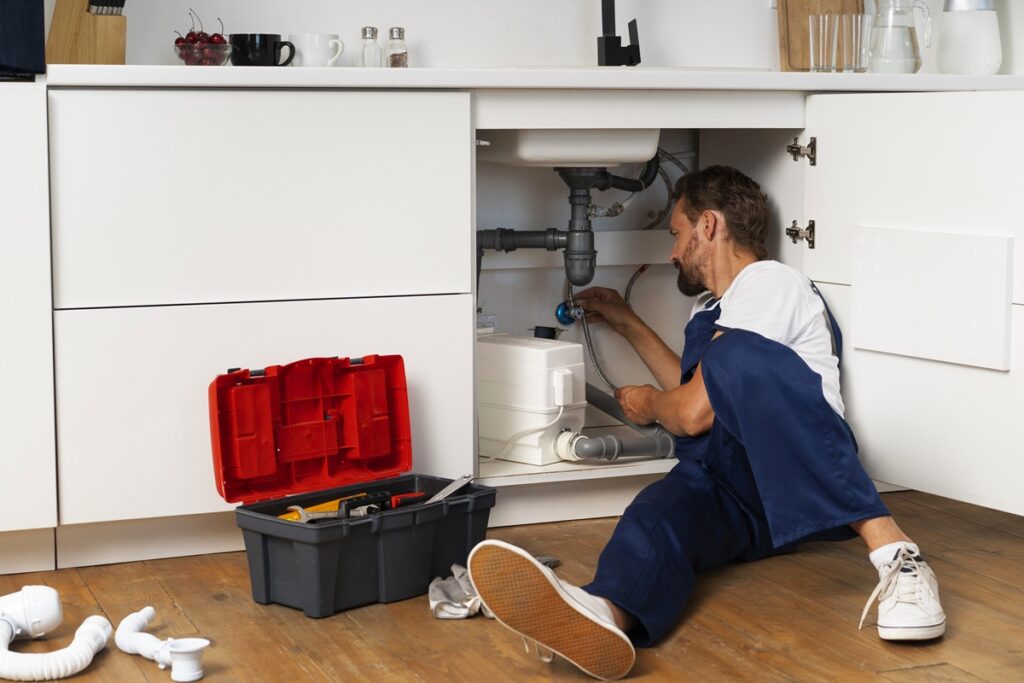
Here’s the thing plumbing issues rarely announce themselves at convenient times. Whether you’re dealing with a blocked drain, a temperamental hot water system, or planning a bathroom renovation, understanding what professional plumbers offer can save you time, money, and a whole lot of stress. The right plumber becomes your home’s best friend, tackling everything from minor repairs to major installations with expertise you simply can’t replicate with a YouTube tutorial and good intentions.
In this guide, we’ll walk you through everything you need to know about hiring professional plumbers in Australia. You’ll discover the range of services on offer, get a clear picture of costs involved, and pick up expert maintenance tips to keep your plumbing running smoothly. Plus, we’ll cover how to spot a trustworthy tradesperson and when it’s genuinely worth calling for help versus tackling something yourself.
What Services Do Professional Plumbers Offer?
Professional plumbers handle far more than just fixing leaky taps though they’re brilliant at that too. Their services span everything from emergency call-outs to complete bathroom transformations.
Emergency plumbing services cover urgent situations like burst pipes, severe blockages, and gas leaks. These plumbers work around the clock because plumbing disasters don’t respect business hours. General repairs and maintenance form the bread and butter of plumbing work, including fixing dripping taps, replacing washers, and servicing existing systems.
Hot water system installation and repairs is another core service. Whether you’re upgrading to a more efficient system or troubleshooting why your shower’s gone cold, licensed plumbers handle gas, electric, and solar hot water units. They’ll also sort out blocked drains through high-pressure water jetting and CCTV inspections to identify exactly where problems lie.
Beyond the basics, qualified plumbers offer gas fitting and leak detection work that requires specific licensing due to safety concerns. Many also specialise in bathroom and kitchen renovations, coordinating with other trades to deliver complete transformations. Roof and gutter plumbing keeps rainwater flowing where it should, while backflow prevention testing protects your drinking water from contamination. It’s a surprisingly broad skill set that keeps Australian homes functioning properly.
How Much Does a Plumber Cost?
Let’s talk money because plumbing costs can catch homeowners off guard if they’re not prepared. Understanding the pricing structure helps you budget appropriately and avoid nasty surprises.
Why Do Plumbers Charge What They Charge?
Those rates reflect years of training, licensing requirements, insurance costs, and specialised equipment. Plumbers invest heavily in their trade before they’re even qualified to work independently. They’re also taking on liability for work that, if done poorly, could cause significant property damage or safety hazards.
Factors affecting your final bill include:
- Job complexity and duration
- Materials and parts required
- Time of day and urgency
- Accessibility of the problem area
- Travel distance
To get an accurate quote, describe your issue in detail over the phone. Request itemised quotes from multiple plumbers and ask whether the price includes GST and materials. This transparency helps you compare apples with apples.
How Do I Find a Reliable Plumber Near Me?
Finding a trustworthy plumber doesn’t have to feel like searching for a needle in a haystack. A few smart strategies can connect you with quality tradespeople.
Questions to Ask and Credentials to Check
Before hiring anyone, verify their licence through your state’s building authority website. All plumbers must hold current licensing, and this takes just minutes to confirm. Ask about their insurance too public liability and professional indemnity protect both parties if something goes wrong.
Key questions to ask include:
- How long have you been in business?
- Do you provide written quotes?
- What’s your warranty on workmanship?
- Are you available for follow-up if issues arise?
Reading online reviews gives insight into other customers’ experiences. Google, Facebook, and trade-specific platforms reveal patterns in service quality. Personal recommendations from friends and family remain gold standard people you trust won’t steer you wrong.
Red Flags to Watch Out For
Be wary of plumbers who won’t provide written quotes, demand large cash deposits upfront, or pressure you into immediate decisions. Licensed professionals happily show their credentials and explain their pricing. If something feels off, trust your instincts and keep looking.
Common Plumbing Problems and When to Call a Professional
Not every plumbing issue requires professional intervention, but knowing when to call for help prevents small problems from becoming expensive disasters.
Is That Dripping Tap Really a Big Deal?
A dripping tap might seem minor, but it wastes thousands of litres annually and increases your water bill. While replacing a washer is technically a DIY job, it’s worth calling a plumber if you’re uncertain or if the drip persists after your attempt.
Signs of hidden water leaks demand professional attention immediately. Watch for unexplained increases in water bills, damp patches on walls or ceilings, musty smells, or the sound of running water when nothing’s turned on. These symptoms suggest pipes may be leaking behind walls or underground problems requiring professional detection equipment.
When Is a Blocked Drain an Emergency?
A slow-draining sink is annoying but not urgent. However, multiple blocked drains, sewage smells, or water backing up through fixtures indicate serious blockages requiring immediate attention. Ignoring these signs risks sewage overflow and potential health hazards.
DIY vs professional decisions come down to complexity and risk. Changing a showerhead or plunging a minor blockage? Go for it. Anything involving gas, hot water systems, or work requiring wall access? Call the experts. The potential consequences of getting it wrong simply aren’t worth the savings.
.jpg)
Expert Plumbing Maintenance Tips
Prevention beats cure every time when it comes to plumbing. Regular maintenance extends system life and catches problems before they escalate.
How Often Should Plumbing Be Serviced?
Annual professional inspections represent the sweet spot for most homes. During these check-ups, plumbers assess pipe condition, test water pressure, inspect hot water systems, and identify potential issues. Think of it like a car service regular attention prevents breakdowns.
Simple ways to prevent blocked drains include using drain guards to catch hair and debris, avoiding pouring fats and oils down sinks, and running hot water after each use. Never flush anything besides toilet paper wet wipes, despite “flushable” claims, cause blockages throughout Australian sewer systems.
Seasonal Protection and Water Efficiency
Protecting your pipes during winter matters, particularly in cooler regions. Insulate exposed pipes, disconnect garden hoses, and know where your main water shut-off valve is located for emergencies.
Hot water system maintenance extends unit lifespan considerably. Flush the tank annually to remove sediment build-up, check the pressure relief valve, and schedule professional servicing every few years. These simple steps keep hot water flowing reliably.
Water-saving tips benefit both your wallet and the environment. Fix leaks promptly, install water-efficient fixtures, and consider collecting rainwater for gardens. Small changes accumulate into meaningful savings over time.
Frequently Asked Questions
Do plumbers give free quotes? Many offer free quotes for standard work, though some charge for detailed assessments on complex jobs. Always confirm before booking.
How long does a typical plumbing job take? Simple repairs might take 30 minutes to an hour. Larger projects like hot water installations typically require half a day. Your plumber should provide timeframe estimates upfront.
Can a plumber fix a gas leak? Only plumbers with specific gas fitting licences can legally work on gas systems. Never attempt gas repairs yourself the safety risks are severe.
What should I do in a plumbing emergency? Turn off the water at the mains, move valuables away from affected areas, and call an emergency plumber immediately. Knowing your shut-off valve location before emergencies occur saves precious time and limits damage.
Taking Care of Your Home’s Plumbing
Professional plumbers provide essential services that keep Australian homes running smoothly. From emergency repairs to planned renovations, their expertise addresses problems most homeowners can’t tackle safely alone. Understanding typical costs helps you budget realistically, while knowing how to find reliable tradespeople ensures you’re getting quality work.
The maintenance tips we’ve covered aren’t complicated, but they’re genuinely effective. Regular servicing, mindful drain use, and prompt attention to small issues prevent the majority of plumbing emergencies. Your future self will thank you for the effort.
Ready to sort out that plumbing problem you’ve been putting off? Start by getting quotes from licensed local plumbers. Your home deserves proper care, and the right professional makes all the difference.