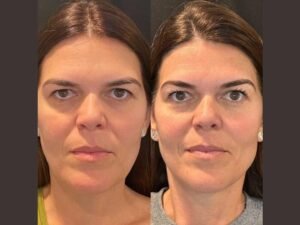
The nose plays an important role in facial balance, appearance, and breathing. Because it sits at the centre of the face, even subtle changes to its shape can influence overall facial harmony. Modern rhinoplasty has therefore moved toward increasingly refined techniques that focus not only on changing the appearance of the nose but also on preserving its natural structure wherever appropriate.
Preservation Rhinoplasty in Dubai is a modern approach to nose surgery that aims to maintain important anatomical structures while making carefully planned improvements to the nasal shape. Rather than extensively removing and rebuilding tissues, preservation techniques seek to work with the patient’s existing nasal anatomy.
This approach can be appealing to people who want a refined nose while maintaining a natural-looking relationship between the nose and the rest of the face. The exact technique depends on individual anatomy, nasal structure, functional concerns, and the desired outcome.
Understanding how preservation rhinoplasty differs from traditional approaches can help patients make informed decisions before considering Rhinoplasty Surgery Dubai.
What Is Preservation Rhinoplasty?
Preservation rhinoplasty is a surgical approach designed to modify the nose while preserving selected natural anatomical structures.
Traditional rhinoplasty techniques may involve removing or reshaping cartilage, bone, or other nasal structures to achieve the desired contour. Preservation rhinoplasty takes a different approach in appropriate cases by attempting to maintain more of the patient’s original framework.
The concept is based on making controlled changes while respecting the existing anatomy.
This does not mean that every structure is left completely untouched. Depending on the individual’s needs, the surgeon may still reshape, reposition, or modify specific areas. The distinction is that preservation is considered an important part of the overall surgical philosophy.
Why Is Preservation Rhinoplasty Considered a Modern Approach?
Modern rhinoplasty increasingly focuses on creating results that look natural and are appropriate for each patient’s facial features.
Earlier approaches to rhinoplasty sometimes emphasized significant tissue removal to create a particular nasal shape. Contemporary techniques have developed further, with greater attention to maintaining structural support and preserving natural anatomy where possible.
Preservation rhinoplasty reflects this broader movement toward conservative and anatomy-focused surgery.
The objective is not simply to make the nose smaller or more dramatically shaped. Instead, the surgeon evaluates the existing nasal structure and determines how it can be refined while maintaining an appropriate relationship with the surrounding facial features.
Understanding Rhinoplasty Surgery Dubai
Rhinoplasty Surgery Dubai refers to surgical procedures designed to alter the shape, structure, or proportions of the nose.
Patients may consider rhinoplasty for a range of aesthetic concerns, including the nasal bridge, nasal tip, nostrils, profile, or overall size and proportions of the nose.
Some patients may also have functional concerns involving nasal airflow.
Rhinoplasty is highly individualized because nasal anatomy differs considerably between people. A technique that works well for one patient may not be appropriate for another.
This is why a detailed consultation and anatomical assessment are essential before deciding whether preservation rhinoplasty is suitable.
How Preservation Rhinoplasty Differs From Traditional Rhinoplasty
The primary difference lies in the surgical philosophy.
Traditional rhinoplasty may involve removing or reshaping parts of the nasal framework to create a new contour. Preservation rhinoplasty focuses more strongly on maintaining natural structures and modifying them in a controlled manner.
For example, certain techniques may preserve aspects of the nasal dorsum or underlying cartilage framework while addressing specific aesthetic concerns.
The exact approach depends on the patient’s anatomy.
Preservation rhinoplasty should therefore not be viewed as a single standardized operation. It is a collection of techniques that can be adapted according to the structure and goals of the individual patient.
Preserving the Natural Nasal Framework
The nasal framework provides the structure that supports the shape and appearance of the nose.
Preservation techniques aim to maintain appropriate parts of this framework while making necessary refinements.
Keeping natural anatomical relationships intact can be important when creating a harmonious result.
Rather than focusing solely on removing tissue, the surgeon considers how existing structures interact with one another and how subtle changes may influence the overall appearance.
This structural perspective is one of the defining features of preservation rhinoplasty.
The Importance of Nasal Anatomy
Every nose has its own combination of bone, cartilage, skin, soft tissue, and internal structures.
The thickness of the skin, strength of cartilage, shape of the nasal bones, position of the septum, and relationship between the nose and face can all affect surgical planning.
Because of these differences, preservation rhinoplasty is not suitable for every patient or every type of nasal concern.
A surgeon must first determine whether the existing anatomy allows a preservation-based approach.
This assessment helps establish whether preservation techniques can achieve the desired changes or whether another rhinoplasty method would be more appropriate.
Who May Consider Preservation Rhinoplasty?
Preservation rhinoplasty may be considered by adults who want to refine particular aspects of their nose while maintaining a natural appearance.
It may be relevant to individuals who have concerns about the nasal bridge, profile, tip, or overall nasal proportions.
Patients who want subtle refinement may particularly appreciate the philosophy behind preservation techniques, although the suitability of the procedure depends on anatomy rather than aesthetic preference alone.
People with previous rhinoplasty surgery may require a different surgical approach because previous procedures can alter the available nasal structures.
A consultation is therefore necessary to determine the most appropriate technique.
Aesthetic Goals and Facial Proportion
A successful rhinoplasty plan should consider the entire face rather than focusing exclusively on the nose.
The nose interacts visually with the forehead, cheeks, lips, chin, and eyes. Changing one part of the nose can influence the perceived balance of other facial features.
During treatment planning, the surgeon may consider the nasal width, bridge, tip projection, profile, facial proportions, and overall appearance.
Preservation rhinoplasty can be used as part of this broader approach when the patient’s anatomy is suitable.
The goal is generally to create a nose that fits naturally with the patient’s existing facial characteristics.
Preservation Rhinoplasty and Natural-Looking Results
Many patients considering rhinoplasty want an improved appearance without creating an obviously operated look.
Preservation rhinoplasty may support this objective by maintaining selected natural structures and avoiding unnecessary alteration of the nasal framework.
However, natural-looking results depend on many factors, including surgical planning, anatomy, technique, healing, and realistic expectations.
The aim should be to create an appearance that is refined and proportionate rather than identical to another person’s nose.
A personalized approach is essential because there is no single ideal nose that suits everyone.
The Role of the Nasal Tip
The nasal tip is one of the most visually important areas of the nose.
Its projection, rotation, width, definition, and relationship with the nostrils can influence the overall appearance of the face.
Preservation-focused surgery considers the existing tip anatomy before deciding what changes may be appropriate.
Depending on the patient’s needs, the surgeon may use techniques that reshape or reposition the existing cartilage while maintaining appropriate structural support.
The exact method varies according to the individual’s anatomy and desired result.
The Nasal Bridge and Dorsum
The nasal bridge, or dorsum, has a major influence on the side profile and overall nasal appearance.
Some patients are concerned about a prominent dorsal contour, while others may want adjustments to the height or shape of the bridge.
Preservation rhinoplasty may use techniques that modify the dorsal area while maintaining important structural relationships.
Whether this approach is appropriate depends on the shape and anatomy of the patient’s nose.
During consultation, the surgeon can explain whether preservation techniques can achieve the desired dorsal changes.
Functional Considerations in Rhinoplasty
Rhinoplasty is not purely about appearance.
The internal structures of the nose are closely connected to breathing and airflow. The nasal septum, turbinates, valves, and surrounding tissues can all influence nasal function.
For this reason, a thorough rhinoplasty assessment should consider both aesthetic and functional aspects.
If a patient has concerns about nasal breathing, these should be discussed during consultation.
A surgeon can then consider functional anatomy when developing the surgical plan.
What Happens During a Preservation Rhinoplasty Consultation?
The consultation is an important stage of the rhinoplasty journey.
The surgeon will discuss your concerns, aesthetic preferences, and expectations while examining the external and internal structures of the nose.
The assessment may consider:
- Nasal bridge shape
- Nasal tip structure
- Nasal width
- Nostril shape
- Skin thickness
- Septal alignment
- Facial proportions
- Previous nasal procedures
- Breathing concerns
Photographs or digital imaging may also be used to support treatment planning and discussion.
The surgeon can then explain whether preservation rhinoplasty is appropriate and what type of changes may realistically be achieved.
How Digital Planning Can Support Rhinoplasty
Modern rhinoplasty planning may incorporate digital imaging and other assessment technologies.
Digital images can help patients and surgeons discuss the desired direction of treatment and understand how changes to one part of the nose may influence overall facial balance.
These tools are primarily useful for communication and planning.
They do not replace clinical judgment or guarantee an exact postoperative appearance.
The final surgical plan should always be based on the patient’s actual anatomy and the surgeon’s professional assessment.
Preparing for Rhinoplasty Surgery Dubai
Good preparation begins with a detailed consultation.
Patients should provide accurate information about their medical history, previous procedures, medications, allergies, and any concerns regarding nasal breathing.
It is also useful to clearly communicate what you would like to change about your nose.
Rather than using another person’s appearance as the only reference, discuss the specific characteristics you would like to refine.
This allows the surgeon to evaluate whether the requested changes are compatible with your anatomy and the preservation approach.
Understanding the Recovery Process
Recovery after rhinoplasty is gradual.
The early postoperative period involves allowing the nose to heal while the tissues begin settling into their new position.
Your surgeon will provide specific instructions regarding wound care, physical activity, follow-up appointments, and protecting the nose during recovery.
The appearance of the nose can continue to change as healing progresses.
Patients should therefore understand that the early postoperative appearance does not necessarily represent the final result.
The recovery timeline varies according to the surgical technique and individual healing process.
Choosing a Clinic for Preservation Rhinoplasty in Dubai
Choosing an experienced surgical team is an important part of the rhinoplasty process.
If you are considering Cornerstone Dubai, research the surgeon’s qualifications, experience with rhinoplasty techniques, approach to preservation surgery, consultation process, and follow-up care.
It is also important to discuss whether the surgeon regularly performs preservation techniques and whether your anatomy is suitable for this approach.
A detailed consultation should allow you to understand the proposed procedure and ask questions about the surgical plan.
Questions to Ask Your Rhinoplasty Surgeon
Before deciding on surgery, prepare questions that can help you understand the treatment.
You may want to ask:
- Am I suitable for preservation rhinoplasty?
- Which nasal structures can be preserved in my case?
- What changes are being recommended?
- How will the procedure affect my facial proportions?
- Will my breathing be considered during planning?
- Which surgical technique will be used?
- What should I expect during recovery?
- When will follow-up appointments take place?
- How long should I allow for the healing process?
Open communication can help ensure that your expectations and the surgical plan are aligned.
Why Individualized Planning Matters
There is no universal rhinoplasty technique that is appropriate for every patient.
A person’s nasal anatomy, skin thickness, cartilage structure, facial proportions, previous surgery, and functional needs all influence the surgical approach.
Preservation rhinoplasty is therefore best understood as an individualized method rather than a one-size-fits-all procedure.
A qualified surgeon can determine whether preserving certain structures is realistic and whether doing so can achieve the patient’s desired changes.
Conclusion
Preservation Rhinoplasty in Dubai represents a modern approach to nose surgery that emphasizes maintaining selected natural anatomical structures while making carefully planned refinements.
Unlike approaches that rely heavily on removing and reconstructing nasal tissue, preservation techniques aim to work with the patient’s existing anatomy wherever appropriate. This can be particularly relevant for patients seeking a refined and proportionate appearance that remains consistent with their natural facial features.
Rhinoplasty Surgery Dubai requires detailed planning because every nose has a unique combination of bone, cartilage, skin, and internal structures. A comprehensive consultation can help determine whether preservation rhinoplasty is appropriate and what surgical approach may best address individual aesthetic and functional goals.
If you are considering Cornerstone Dubai, it is important to discuss your expectations, nasal anatomy, available techniques, recovery process, and long-term treatment plan with a qualified rhinoplasty surgeon.
Ultimately, modern rhinoplasty is about more than changing the shape of the nose. It is about understanding facial proportions, respecting nasal anatomy, and selecting a surgical technique that is appropriate for the individual patient.
FAQs
What is Preservation Rhinoplasty in Dubai?
Preservation Rhinoplasty in Dubai is a modern approach to nose surgery that aims to maintain selected natural nasal structures while making carefully planned changes to the shape and proportions of the nose.
How is preservation rhinoplasty different from traditional rhinoplasty?
Traditional rhinoplasty may involve more extensive reshaping or removal of nasal structures. Preservation rhinoplasty focuses on maintaining selected anatomical structures and modifying them conservatively where appropriate.
Is preservation rhinoplasty suitable for everyone?
No. Suitability depends on nasal anatomy, the type of aesthetic changes desired, previous procedures, skin characteristics, and functional considerations. A surgeon must assess each individual case.
Can preservation rhinoplasty change the nasal bridge?
Yes, selected preservation techniques can address certain concerns involving the nasal bridge or dorsum. The specific technique depends on the existing anatomy and desired outcome.
Can preservation rhinoplasty refine the nasal tip?
In appropriate cases, the nasal tip can be refined using techniques that work with the existing cartilage and surrounding structures. The exact approach is determined during surgical planning.
Can preservation rhinoplasty address breathing concerns?
Rhinoplasty planning should consider both appearance and nasal function. If you have breathing concerns, discuss them with your surgeon so that the internal nasal structures can be evaluated as part of the treatment plan.
What happens during a preservation rhinoplasty consultation?
The surgeon reviews your concerns, medical history, previous procedures, nasal structure, facial proportions, and aesthetic goals. Photographs, digital imaging, and other assessments may also be used for planning.
How long does Preservation Rhinoplasty in Dubai take?
The duration of surgery varies depending on the technique, extent of treatment, and individual anatomy. Your surgeon can provide more specific information after assessing your nose and discussing the planned procedure.
How long is the recovery after rhinoplasty?
Recovery varies between individuals and depends on the surgical approach. Your surgeon will explain the expected recovery stages, follow-up schedule, activity restrictions, and when the nose is expected to settle.
When will I see the final rhinoplasty result?
The nose continues to change as healing progresses. The final appearance may take time to become established, and your surgeon can provide a more personalized timeline based on the planned procedure.
Can preservation rhinoplasty create a natural-looking nose?
The preservation approach is designed to maintain selected natural structures while making controlled refinements. A natural-looking outcome also depends on anatomy, surgical planning, technique, and realistic expectations.
Is Rhinoplasty Surgery Dubai only performed for cosmetic reasons?
No. Rhinoplasty can involve both aesthetic and functional considerations. Some patients seek changes to the appearance of their nose, while others may also have concerns involving nasal structure or breathing.
What should I ask a rhinoplasty surgeon before treatment?
Ask whether you are suitable for preservation rhinoplasty, which structures can be preserved, what changes are recommended, how nasal function will be considered, what recovery involves, and how the procedure is being customized to your anatomy.
How do I choose a clinic for Preservation Rhinoplasty in Dubai?
Consider the surgeon’s qualifications, rhinoplasty experience, familiarity with preservation techniques, treatment-planning approach, surgical facilities, and postoperative follow-up. A detailed consultation can help you evaluate whether the clinic is suitable for your needs.
What should I know about Cornerstone Dubai before choosing rhinoplasty?
If you are considering Cornerstone Dubai, ask about the surgeon’s rhinoplasty experience, preservation techniques, consultation process, treatment planning, recovery guidance, and follow-up arrangements.
Can preservation rhinoplasty change the overall proportions of my face?
Changes to the nose can influence overall facial balance because the nose is closely related to the cheeks, lips, chin, forehead, and eyes. A surgeon should consider these relationships when developing an individualized treatment plan.
Why is anatomy important in preservation rhinoplasty?
Every person’s nasal bones, cartilage, skin, septum, and soft tissues are different. These anatomical characteristics determine which preservation techniques can be used and what changes can realistically be achieved.