Think about your first ten minutes at work this morning. You pushed the front door, pressed the lift button, swiped your card, opened the kitchen fridge, pressed the coffee machine and sat down at a shared keyboard.
Now think about how many other people touched those same surfaces before you.
In any office, a small number of surfaces get touched by almost everyone, many times a day. Cleaners call them high touch points. They don’t always look dirty, so they’re easy to miss. But because so many hands touch them, they deserve more attention than almost any other surface in the building.
This guide explains which high touch points matter most in Adelaide workplaces, how often to clean them and the difference between cleaning, sanitising and disinfecting.
Quick answer: High touch points are surfaces many people touch, such as door handles, light switches, lift buttons, keyboards, phones, taps, flush buttons, fridge handles and coffee machine buttons. Clean them on every professional visit, and more often on busy days or during cold and flu season. Clean first to remove dirt, then sanitise or disinfect where needed, following the product’s label and contact time.
What Are High Touch Points?
High touch points are surfaces that many different people touch, often several times a day. They’re common in every workplace.
Entry and common areas
- Front door handles and push plates
- Swipe card readers and intercoms
- Lift call buttons and internal lift panels
- Stair handrails
- Reception counters and sign in tablets
Office and workstations
- Shared keyboards, mice and headsets
- Desk phones
- Printer and photocopier buttons
- Meeting room tables, remotes and video conference controls
- Chair arms and adjustment levers
- Desk booking kiosks
Kitchen and staff room
- Fridge and freezer handles
- Microwave buttons and door handles
- Coffee machine buttons and kettle handles
- Tap handles
- Cupboard and drawer handles
- Water dispenser buttons
- Vending machine buttons
Bathrooms
- Door handles and cubicle locks
- Tap handles
- Flush buttons
- Soap and paper towel dispensers
- Hand dryer buttons
Cleaning, Sanitising and Disinfecting: What’s the Difference?
These words are often mixed up, but they mean different things.
| Term | What it does | When to use it |
|---|---|---|
| Cleaning | Removes dirt, grime and many germs using detergent and water | Every surface, every time |
| Sanitising | Reduces germs to a lower level | Kitchen surfaces and high touch points |
| Disinfecting | Kills a wide range of germs on surfaces, when used as directed | Bathrooms, high touch points, illness outbreaks, clinical areas |
Clean first, always. Disinfectants work best on clean surfaces. Dirt and grime can stop them from working properly.
Follow the label. Most disinfectants need a “contact time”, meaning the surface must stay wet for a set number of minutes. Wiping it off straight away may stop it from working as intended.
How Often to Clean High Touch Points
| Setting | Suggested frequency |
|---|---|
| Normal office, regular days | Every professional clean |
| Busy office or shared building | Every clean, plus a daytime wipe on busy days |
| Cold and flu season | Every clean, plus extra daytime wipes |
| After a staff illness outbreak | Targeted disinfection of the affected areas |
| Medical clinics and childcare | Several times a day, as procedures require |
| Gyms | Throughout the day, plus after closing |
A professional office cleaning Adelaide provider should list high touch points as a separate task in your scope of works, so they don’t get missed.
How to Clean High Touch Points Properly
- Use a fresh cloth for each area. Don’t carry the same cloth from the bathroom to the kitchen.
- Use colour coded cloths. Separate colours for bathrooms, kitchens and general areas stop cross contamination.
- Clean, then sanitise or disinfect where needed.
- Follow the contact time on the product label.
- Work from clean to dirty. Start with low risk areas and finish with bathrooms.
- Use microfibre. It picks up dirt and grime well and can be washed and reused.
- Wash or replace cloths after each clean.
Cleaning Electronics Safely
Keyboards, phones, screens and headsets need care.
- Turn devices off or lock them first, where possible
- Never spray liquid directly onto electronics
- Lightly dampen a cloth with a suitable cleaner and wipe
- Avoid getting moisture into openings
- Follow the manufacturer’s cleaning guidance
- Use a dry microfibre cloth for screens, unless the manufacturer says otherwise
Cold and Flu Season in Adelaide
Winter often brings more coughs, colds and sick days to Adelaide workplaces. Extra attention to high touch points is one practical step businesses can take, alongside good hand hygiene.
During winter:
- Add a midday wipe of high touch points in busy offices
- Put hand sanitiser at entries, kitchens and shared printers
- Keep bathrooms stocked with soap and paper towel
- Provide wipes at hot desks
- Encourage staff who are unwell to stay home
For current advice on managing illness in the workplace, follow SA Health guidance.
After a Staff Illness
If several staff are unwell with the same illness, a targeted clean can help:
- Focus on the areas the affected staff used, plus shared spaces
- Clean and disinfect high touch points and bathrooms
- Wipe shared equipment such as keyboards and phones
- Wash or replace shared kitchen items such as tea towels
- Follow SA Health advice for the specific illness
An experienced commercial cleaning Adelaide team can arrange a targeted clean after hours, so the office is ready the next day.
Simple Habits for Your Team
- Wash hands often, especially before eating
- Use hand sanitiser at entries and shared printers
- Wipe your hot desk before you start
- Avoid sharing headsets where possible
- Cover coughs and sneezes
- Stay home when unwell, if your workplace allows
What It Costs
High touch point cleaning is usually part of your regular commercial cleaning contract. In Adelaide, commercial cleaning typically costs $32 to $56 per hour, or about $1.76 to $3.44 per square metre per clean. Extra daytime wipes or a targeted clean after an illness may be quoted separately.
Why Adelaide Businesses Choose Ms Clean AU
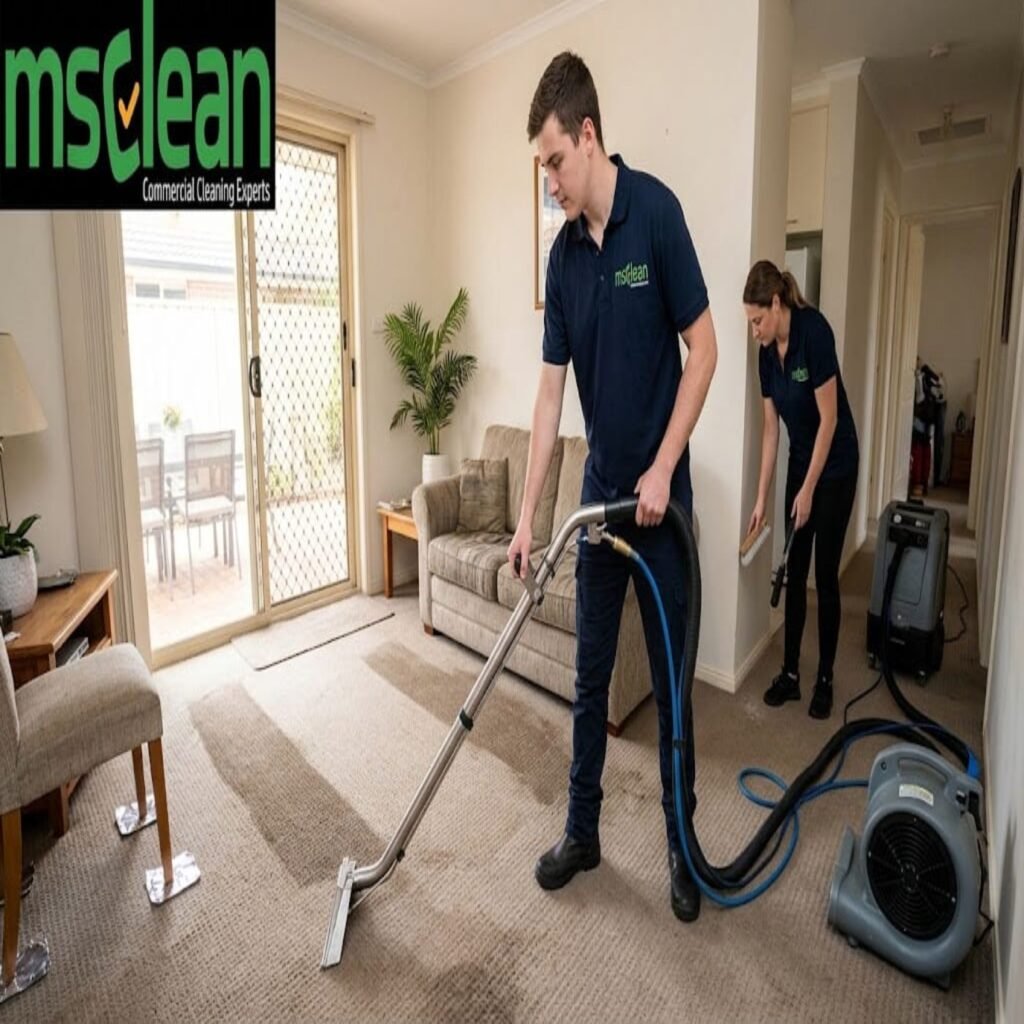
Ms Clean AU provides commercial cleaning Adelaide SA businesses rely on, from our base at 71 Alexandra Street, Prospect.
- High touch point cleaning on every visit, listed in your scope
- Colour coded cloths to prevent cross contamination
- GECA certified, low toxicity products, with fragrance free options
- Targeted cleans after staff illness, booked after hours
- Daytime options for busy workplaces
- Free on site assessment and fixed written pricing
- $20 million public liability insurance
- Quality inspections and reporting after every visit
Frequently Asked Questions
What are high touch points in an office?
Surfaces touched by many people, such as door handles, light switches, lift buttons, keyboards, phones, taps, flush buttons, fridge handles and coffee machine buttons.
How often should high touch surfaces be cleaned?
On every professional clean, with extra daytime wipes on busy days and during cold and flu season.
What’s the difference between cleaning and disinfecting?
Cleaning removes dirt and many germs. Disinfecting kills a wide range of germs when the product is used as directed. Clean first, then disinfect where needed.
How do I clean a shared keyboard safely?
Turn it off or lock it, then wipe it with a lightly dampened cloth. Never spray liquid directly onto electronics.
Does cleaning high touch points stop people getting sick?
It’s one helpful step, alongside hand hygiene and staying home when unwell. Follow SA Health guidance for specific illnesses.
Can I get extra cleaning during flu season?
Yes. Many businesses add a midday wipe of high touch points during winter.
Keep Your Workplace Cleaner Where It Counts
Ms Clean AU helps Adelaide businesses focus cleaning where it matters most. We start with a free site assessment and give you a fixed written price.
Call 0480 321 027 or email service@msclean.au for your free quote.
Ms Clean AU, 71 Alexandra Street, Prospect SA 5082