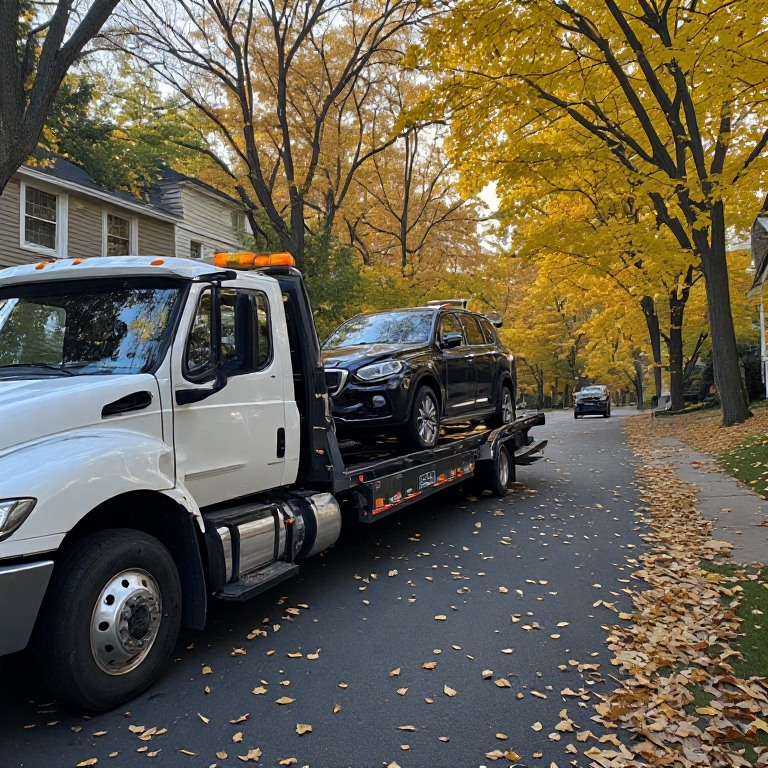
Moving a vehicle across state lines sounds simple until you start calculating the miles, fuel, overnight stops, weather, and time required to complete the trip. A long-distance drive may also add unnecessary mileage and wear to the vehicle. That is why many owners turn to professional transportation when relocating, buying a car from another state, or moving seasonally.
Finding the best car delivery service is less about choosing the first company that appears online and more about finding a provider that fits the vehicle, route, timing, and expectations.
Start With the Move, Not the Company
Before comparing transportation providers, identify what your shipment actually requires.
Are you moving a daily driver from Texas to Florida? Bringing a recently purchased vehicle from California to Ohio? Sending a second family car to a seasonal residence? Each situation may require a different transportation approach.
Distance is only one part of the equation. Vehicle size, pickup accessibility, delivery location, transport type, and scheduling requirements can all influence the planning process.
Having these details ready makes conversations with shipping companies more productive because you are comparing services based on the same basic information.
The Carrier Choice Can Change the Experience
One of the first decisions customers encounter is whether to use open or enclosed transportation.
Open carriers are commonly used for everyday vehicles and can accommodate multiple cars during a shipment. They are often a practical choice when the vehicle does not require specialized protection.
Enclosed transportation places vehicles inside a covered carrier. Owners transporting collector cars, luxury vehicles, or particularly valuable automobiles may prefer this option because the vehicle receives additional protection from road conditions during transit.
The right choice depends on the vehicle and the owner’s priorities rather than a one-size-fits-all rule.
Pickup Details Matter More Than People Expect
A shipping plan can look perfect on paper but become complicated if the pickup location is difficult for a large carrier to access.
For example, a narrow residential street, low-hanging branches, restricted parking area, or busy apartment complex may make direct carrier access difficult. In those cases, the driver and customer may need to agree on a nearby accessible location.
Providing accurate pickup information early can reduce last-minute confusion.
The same principle applies to delivery. If the destination has restricted access, discuss alternatives before the vehicle is dispatched.
What Should You Compare?
When evaluating the best car delivery service, look beyond a single quoted price.
Consider these practical points:
- Transportation options: Does the company offer open and enclosed shipping?
- Route coverage: Can it handle your specific interstate route?
- Vehicle requirements: Can it accommodate SUVs, classic cars, motorcycles, or non-running vehicles?
- Pickup and delivery planning: Are the locations and expectations clearly discussed?
- Communication: Will you receive updates during transportation?
- Insurance information: Are coverage details explained before booking?
- Customer support: Is there someone available to answer questions during the shipment?
A low quote may not tell you much about the actual service experience. Comparing the details behind each quote provides a clearer picture.
Don’t Forget the Vehicle Before Pickup
Preparing the vehicle correctly can make the handoff easier.
Remove personal belongings and unnecessary items from the cabin and trunk. Keep the fuel level relatively low while following the carrier’s specific instructions. Disable alarms if necessary and make sure the vehicle is accessible when the driver arrives.
It is also useful to document the vehicle’s condition with photographs before loading. Take pictures of the exterior from several angles and record existing scratches, dents, chips, or other visible marks.
This creates a useful condition record for both the customer and transportation provider.
When Professional Delivery Makes Sense
Not every interstate move requires vehicle shipping. Someone moving a short distance may prefer to drive. But the calculation changes when the route stretches across several states.
Imagine a customer relocating from Pennsylvania to Arizona. Driving may require multiple days away from work, hotel expenses, meals, fuel, and additional vehicle mileage. Shipping the vehicle allows the owner to travel separately while the car is transported.
The same logic applies to students, military personnel, seasonal travelers, online vehicle buyers, and families managing more than one vehicle during a move.
Why Planning Early Helps
Last-minute transportation requests can be more challenging when customers have fixed moving dates. Starting the process earlier gives you more time to discuss available transport options and coordinate pickup around your schedule.
That does not mean every shipment needs to be booked far in advance. It simply gives customers additional room to handle changes instead of making transportation another rushed part of the move.
A Practical Approach From Rapid Auto Shipping
Rapid Auto Shipping helps customers arrange vehicle transportation throughout the USA. The company offers options for different vehicle types, routes, and shipping situations, including open and enclosed transport.
Customers can discuss their pickup and delivery requirements, vehicle details, and scheduling preferences before arranging transportation. This helps create a clearer plan rather than treating every shipment exactly the same.
For someone comparing the best car delivery service, the goal should be straightforward: find a provider whose transportation options match the actual needs of the vehicle and journey.
The Better Question to Ask
Instead of asking only, “Who offers the cheapest vehicle shipment?” Consider asking, “Which service fits my vehicle, route, timing, and expectations?”
That shift makes the comparison more meaningful. A successful interstate vehicle move starts with accurate information, realistic scheduling, suitable transportation, and clear communication. With those pieces in place, choosing the best car delivery service becomes a much more straightforward part of planning your next move.
Questions Customers Often Ask
- How do I choose the best car delivery service?
Compare transportation options, route coverage, communication, insurance information, vehicle handling capabilities, and the overall service details rather than focusing only on price.
- Is open transport suitable for a regular car?
Open transport is commonly used for everyday cars, SUVs, and other standard vehicles. Your vehicle type and personal preferences should guide the final choice.
- Should I photograph my vehicle before shipping?
Yes. Taking clear photographs before pickup provides a useful record of the vehicle’s visible condition before transportation begins.
- Can I ship a vehicle that does not run?
Many transportation providers offer solutions for non-running vehicles, but the customer should disclose the condition before booking so appropriate loading arrangements can be considered.
- Is car delivery useful for interstate relocation?
It can be particularly useful for long-distance moves where driving would require significant time, mileage, fuel, and travel planning.