A move from Boston to Los Angeles involves more than packing boxes and changing your address. If you decide to drive your own car, you must also plan the route, estimate fuel expenses, arrange overnight stops, and account for several days on the road. Add moving deadlines, family responsibilities, or a new job, and the journey can become another major project.
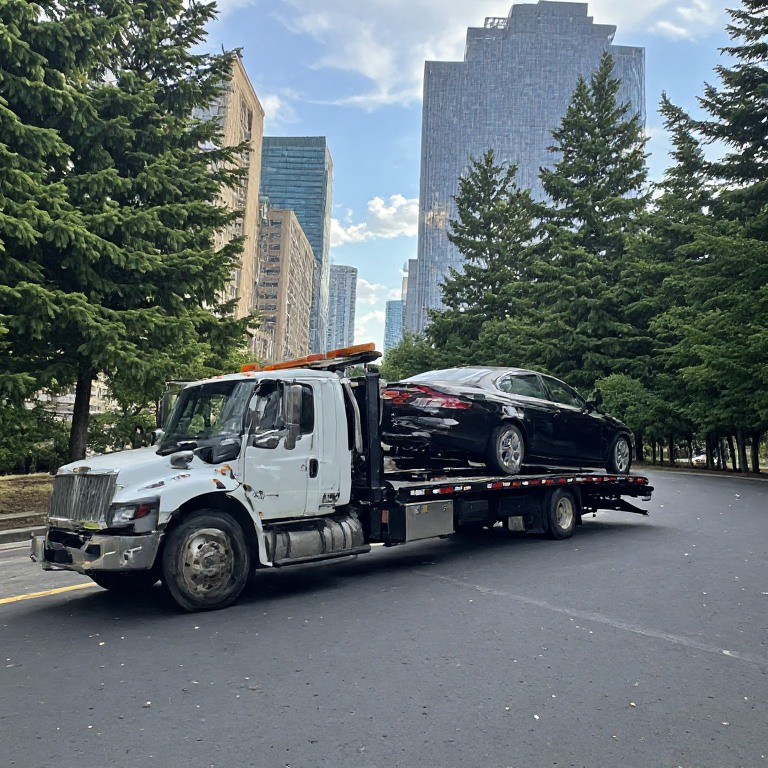
For many Americans, auto shipping offers a practical alternative. Instead of driving thousands of miles yourself, you can arrange for a professional carrier to transport your vehicle while you travel separately. Whether this approach makes sense depends on your budget, schedule, vehicle, and personal priorities.
Count the Costs Beyond the Gas Pump
Driving can look inexpensive when you calculate only fuel. A realistic comparison should include the full cost of the trip.
Consider someone relocating from Seattle to Miami. Depending on the route, driving may involve several days of travel, meals away from home, overnight accommodation, tolls, and extra mileage. If the person must take time off work, that may also affect the overall cost.
Shipping the vehicle introduces a separate transportation expense, but it may reduce some of the costs associated with making the journey yourself.
Before deciding, compare both options:
- Fuel based on your vehicle’s expected mileage.
- Hotel stays and meals during the drive.
- Tolls and other route expenses.
- Additional wear and mileage on the car.
- The shipping quote and any related fees.
- Your available time and the cost of taking time away from work.
Neither option is automatically cheaper. A couple traveling together may split driving expenses, while a person who needs to arrive quickly may place greater value on saving time. The best choice comes from comparing your actual circumstances rather than relying on a general rule.
What Could You Do With Those Extra Travel Days?
A cross-country drive can be an enjoyable road trip when sightseeing is the goal. During a relocation, however, the same journey may feel like another obligation.
Suppose you’re moving from Dallas to Philadelphia to start a new position. You may need to meet your landlord, arrange utilities, collect keys, or complete workplace onboarding. Spending several days driving can compete with those responsibilities.
With vehicle transportation, you can consider flying, taking a train, or making other travel arrangements while your car moves separately. This may make it easier to coordinate the move, particularly when your schedule is tight.
There is one important distinction: shipping does not mean the car will necessarily arrive the moment you do. Carriers operate according to pickup windows, route schedules, and delivery estimates. Plan for a temporary transportation option if you need a vehicle immediately after arrival.
Your Car’s Condition Can Change the Decision
Driving your vehicle thousands of miles adds mileage and exposes it to ordinary road hazards. For an older car that already needs maintenance, a long trip may require extra preparation.
Before deciding to drive, consider the vehicle’s current condition. Are the tires ready for a long journey? Has it received recent maintenance? Are there warning lights, fluid leaks, or mechanical issues that need attention?
Shipping can be especially worth considering when a vehicle is not suitable for a long drive. However, non-running cars need to be declared in advance because loading may require special equipment and affect the quote.
Owners of classic, exotic, or luxury vehicles may also prefer to explore enclosed transport. A covered trailer offers additional protection from weather and road debris compared with open transport, although the appropriate choice depends on the vehicle and the owner’s priorities.
Open or Enclosed: Pick the Right Type of Auto Shipping
Most standard cars, SUVs, and pickups are transported using open carriers. This is a common option for everyday vehicles and is often more economical than enclosed transportation.
Enclosed carriers transport vehicles inside a covered trailer. Owners may choose this method for restored classics, collectible models, exotic cars, or vehicles for which additional protection is important.
Imagine shipping a daily-use sedan from Ohio to Colorado. Open transport may be a suitable option. If you’re relocating a restored 1960s sports car, you may decide that enclosed transport is worth the additional expense.
When requesting estimates, describe the vehicle accurately, including modifications, low ground clearance, and whether it starts and runs. Ask what each quote includes so you can compare equivalent services.
Make the Handoff Simple Before You Leave
Choosing auto shipping doesn’t remove every task from your moving checklist. You still need to prepare the car and coordinate the pickup.
Start by confirming the pickup address, delivery location, and expected scheduling window. Large carriers cannot always navigate narrow streets, restricted parking areas, or tight residential driveways. If access is limited, arrange an appropriate nearby meeting point with the provider.
Before the vehicle is collected:
- Remove personal belongings unless their transport has been expressly approved.
- Photograph the car’s exterior and existing damage.
- Disclose mechanical problems and modifications.
- Follow instructions regarding fuel level, keys, and paperwork.
- Review the vehicle condition report and keep a copy.
At delivery, inspect the vehicle and document any discrepancies before completing the final paperwork. Ask about the applicable cargo insurance, coverage limits, exclusions, and damage-claim procedure before booking.
Arranging Your Shipment With Rapid Auto Shipping
Rapid Auto Shipping serves customers throughout all 50 states and offers open and enclosed transportation, door-to-door service where access permits, free instant quotes, and shipment updates. The company has over 14 years of experience helping customers organize vehicle transportation.
If you’re preparing for a cross-country move, share your vehicle details, pickup and delivery ZIP codes, and preferred dates when requesting a quote. This information helps establish which options may fit your requirements.
You can contact Rapid Auto Shipping at +1 (833) 233-4447 or visit the company’s website to discuss your shipment. Compare the quote and terms with your driving costs before making a final decision.
Choose the Journey That Fits Your Move
Driving across America can be an adventure, but it isn’t always the most convenient way to relocate a vehicle. Compare the real cost of the road trip with a shipping quote, consider how much time you have, and choose a transport method suited to your car.
With realistic scheduling and careful preparation, auto shipping can help you focus on your destination instead of spending several days behind the wheel.
Frequently Asked Questions
- Is auto shipping better than driving across the country?
It depends on your budget, available time, vehicle condition, and travel plans. Shipping can save driving time, while driving may be preferable if you want a road trip or have a low-cost route planned.
- How long does cross-country auto shipping take?
Timing depends on the route, carrier schedule, traffic, weather, and pickup or delivery access. Ask for a route-specific estimate and allow flexibility for unexpected delays.
- Can I ship a car that doesn’t run?
Often, yes, but you must disclose its condition before booking. The carrier may need specialized loading equipment, which can affect availability and cost.
- Is enclosed auto shipping worth the extra cost?
It may be worthwhile for classic, exotic, luxury, or restored vehicles when additional protection from outdoor exposure is a priority. Many everyday vehicles are transported using open carriers.
- How early should I arrange vehicle transportation?
One to two weeks ahead is a useful starting point for many standard shipments. Busy seasons, specialized vehicles, and less common routes may require additional planning.