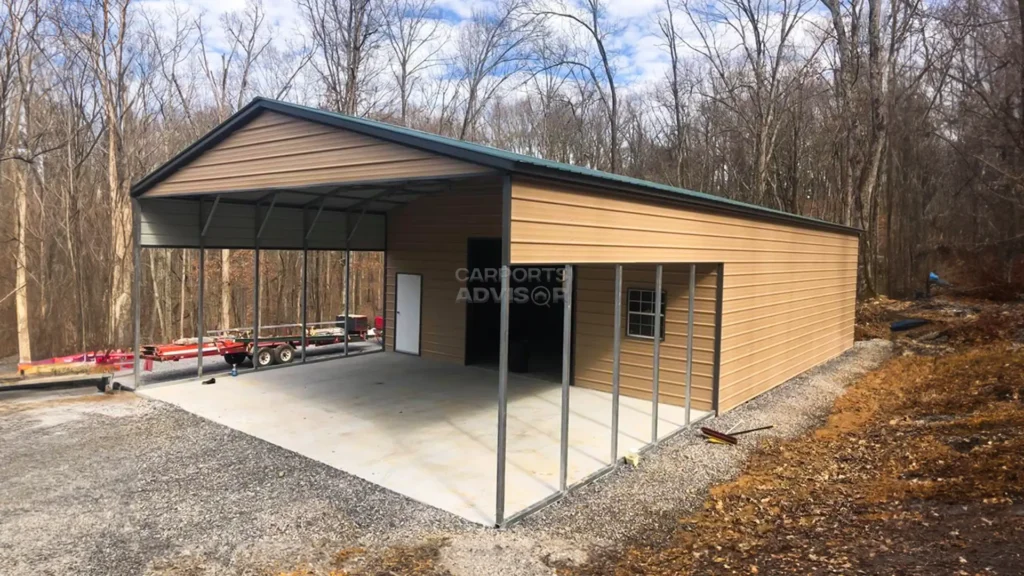
Gardening is changing fast. It is no longer just about a few flower beds and a small shed in the backyard. Modern gardeners are turning their outdoor spaces into productive work zones, creative studios, micro farms, and even year-round growing environments. One trend that is quietly growing in popularity is the use of metal utility buildings for gardening purposes.
At first, many people think of metal buildings as storage spaces for tools or vehicles. But gardeners are now using them in ways that are practical, smart, and sometimes completely unexpected.
According to the National Gardening Association, millions of households in the United States participate in food gardening every year, and the demand for functional outdoor structures continues to rise. Meanwhile, research from the U.S. Green Building Council highlights how durable and recyclable metal construction materials are becoming popular in sustainable property design.
This shift is creating new opportunities for gardeners who want better organization, weather protection, and multi-purpose growing spaces.
Why Gardeners Are Choosing Metal Utility Buildings
Traditional wooden sheds often struggle with termites, moisture, mold, and long term maintenance. Metal utility buildings offer a different experience.
Many gardeners prefer them because they are:
- Durable in extreme weather
- Easier to maintain
- Resistant to pests
- Customizable for different gardening activities
- Spacious enough for multiple uses
A report by the Metal Building Manufacturers Association states that prefabricated metal structures are increasingly being used for residential and agricultural applications because of their longevity and lower maintenance requirements.
For gardeners, this means one building can support many different gardening goals for years.
1. Turning Metal Utility Buildings into Climate Controlled Greenhouses
The Surprising Shift
One of the most unexpected trends is gardeners converting metal utility buildings into advanced greenhouse systems.
Instead of relying only on traditional glass greenhouses, people are insulating metal structures and adding grow lights, ventilation systems, humidity control, and hydroponic setups.
This creates a year round growing environment.
Why It Works
Metal buildings provide:
- Strong structural support
- Better security for expensive equipment
- More temperature control opportunities
- Protection from storms and pests
Gardeners living in regions with harsh winters or intense heat especially benefit from this setup.
Real Life Example:
A family in Colorado transformed a medium sized utility building into an indoor vegetable growing space using vertical hydroponic towers and LED grow lighting. They were able to grow lettuce, herbs, spinach, and strawberries throughout winter. The building also protected crops from sudden snowstorms that normally damaged outdoor plants.
How to Implement This Idea
Add Proper Insulation: Insulated wall panels help regulate internal temperatures.
Install Ventilation Systems: Good airflow prevents mold and overheating.
Use Grow Lights: LED grow lights help plants grow even during shorter winter days.
Create Separate Zones: You can divide the building into sections for seedlings, mature plants, and storage.
Some gardeners even use a large setup like a 28x80x12 metal utility building to combine greenhouse operations with gardening equipment storage in one place.
2. Creating Indoor Seed Starting Laboratories
The New Gardening Obsession
Many serious gardeners are no longer starting seeds on kitchen windowsills. Instead, they are creating dedicated seed starting rooms inside metal utility buildings.
This trend has become especially popular among gardeners who grow vegetables from seed every season.
Why Gardeners Love It
Indoor seed starting areas allow complete control over:
- Temperature
- Moisture
- Lighting
- Air circulation
- Plant organization
This improves germination rates and produces healthier seedlings.
According to the University of Minnesota Extension, controlled indoor seed starting environments can significantly improve early plant development compared to inconsistent outdoor conditions.
Real Life Example:
A gardener in Texas converted half of her utility building into a seed propagation room. She installed shelving units with grow lights and heat mats for seedlings.
The result was stronger tomato, pepper, and cucumber plants weeks before outdoor planting season began.
She also reduced seedling loss caused by sudden weather changes.
How to Implement This Idea
Use Vertical Shelving: This maximizes space for trays and seedlings.
Install Heat Mats: Many seeds germinate faster with warm soil temperatures.
Use Smart Timers: Automatic lighting schedules make plant care easier.
Keep a Potting Area Nearby: Combining seed starting with a potting station improves workflow.
This setup works well for hobby gardeners and small scale plant sellers.
3. Transforming Utility Buildings into Garden Work Studios
More Than Just Storage
Gardeners are increasingly using utility buildings as creative workspaces.
Instead of leaving tools scattered across garages and patios, they create organized gardening studios where they can:
- Repot plants
- Build raised beds
- Mix soil
- Dry herbs
- Design floral arrangements
- Store fertilizers safely
This trend is especially popular among people who treat gardening as both a hobby and a lifestyle.
Why This Is Becoming Popular
Gardening tools and supplies can quickly become messy and difficult to organize. A dedicated workspace makes gardening easier, cleaner, and more enjoyable. Metal utility buildings are ideal because they can support heavy shelving, workbenches, and equipment without frequent repairs.
Real Life Example:
A gardener in Oregon converted a metal building into a gardening workshop with:
- Tool walls
- Compost storage bins
- Potting benches
- Hanging plant stations
- Rainwater collection systems
The building became the central hub for all outdoor projects.
How to Implement This Idea
Add Utility Sinks: Easy access to water simplifies cleanup.
Install Pegboards: Pegboards help organize tools efficiently.
Include Natural Lighting: Windows and skylights improve visibility.
Create Storage Zones: Separate fertilizers, pots, seeds, and tools for safety and convenience.
A compact structure like a 20x50x10 utility metal carport can even be partially enclosed to create a flexible gardening workspace while still protecting outdoor equipment.
4. Building Mushroom Growing Rooms
One of the Most Unexpected Uses
Mushroom cultivation is becoming more popular among home gardeners, and metal utility buildings are surprisingly effective for this purpose. Unlike traditional gardening, mushrooms require carefully controlled humidity and darkness. Metal buildings provide an enclosed environment that is easier to manage.
Why Gardeners Are Trying This
Mushrooms can be grown year round indoors with the right setup.
Popular varieties include:
- Oyster mushrooms
- Shiitake mushrooms
- Lion’s mane mushrooms
Many gardeners see mushroom cultivation as both a food source and a potential side business. According to the Penn State Extension, controlled indoor mushroom production allows for more consistent harvest quality and contamination prevention.
Real Life Example
A gardening enthusiast in Washington converted a small utility building into a mushroom cultivation room using humidity controllers and shelving racks.
The grower started with oyster mushrooms and later expanded into gourmet varieties sold at local farmers markets.
How to Implement This Idea
Control Humidity Carefully: Mushrooms need high humidity levels for proper growth.
Use Shelving Systems: Vertical growing increases production.
Maintain Proper Sanitation: Clean environments reduce contamination risks.
Install Temperature Monitoring: Different mushroom species require different temperatures.
This is one of the most creative ways gardeners are maximizing indoor growing spaces.
5. Creating Backyard Farm Markets and Plant Selling Stations
Gardening Meets Small Business
Some gardeners are turning metal utility buildings into mini farm stores or plant selling stations.
This trend became especially popular after the rise of home gardening and local produce sales.
Instead of selling casually from folding tables, gardeners are building professional looking spaces where they can display:
- Seedlings
- Fresh vegetables
- Herbs
- Homemade compost
- Flowers
- Gardening supplies
Why It Works
Metal utility buildings provide:
- Weather protection
- Secure inventory storage
- Attractive organization
- Better customer experience
This setup also helps gardeners turn hobbies into small income streams.
Real Life Example
A retired couple in North Carolina converted a utility building into a seasonal backyard plant shop. They used rolling shelves, hanging baskets, and checkout counters to create a welcoming environment for local buyers. The business started with tomato seedlings and later expanded into herbs and flower baskets.
How to Implement This Idea
Create Display Sections: Organize products clearly for visitors.
Add Roll Up Doors: This creates an open market feel during sales.
Use Signage: Simple signs improve presentation and navigation.
Include Refrigerated Storage if Needed: Fresh produce lasts longer in temperature controlled areas.
For gardeners interested in small business opportunities, this setup can become a surprisingly profitable side project.
Additional Benefits of Metal Utility Buildings for Gardeners
1. Better Weather Resistance
Metal buildings hold up well against:
- Heavy rain
- Snow
- Wind
- Intense sunlight
This protects gardening investments year round.
2. Lower Long Term Maintenance
Unlike wood, metal structures are less likely to:
- Rot
- Warp
- Attract termites
- Develop mold
3. Flexible Expansion Options
Gardeners can easily expand or customize many metal utility structures over time.
4. Improved Organization
Dedicated gardening spaces improve efficiency and reduce clutter around the home.
Important Things to Consider Before Setting Up One
1. Local Building Regulations:
Always check local zoning laws and permit requirements before installation.
2. Ventilation Planning:
Good airflow is essential for plant health and moisture control.
3. Electrical Access:
Indoor gardening systems often require:
- Grow lights
- Fans
- Heating systems
- Irrigation controllers
4. Drainage Design:
Proper drainage prevents water buildup and humidity problems.
5. Insulation Choices:
Insulation helps maintain stable temperatures in different climates.
Are Metal Utility Buildings Sustainable for Gardening?
Many people are surprised to learn that metal buildings can support sustainable gardening practices. According to the Environmental Protection Agency, steel is one of the most recycled materials in the world.
Gardeners are combining these structures with eco-friendly systems such as:
- Rainwater harvesting
- Solar panels
- Composting stations
- Hydroponic growing
- Energy-efficient lighting
This makes metal utility buildings attractive for environmentally conscious gardeners.
The Future of Gardening Spaces
Gardening is becoming more advanced, organized, and multifunctional. People no longer want a simple shed hidden in the backyard. They want spaces that improve productivity, creativity, and sustainability. Metal utility buildings are helping gardeners:
- Grow food year round
- Start small businesses
- Protect valuable equipment
- Experiment with indoor farming
- Build efficient gardening systems
What once looked like a basic storage structure is now becoming the center of modern gardening operations.
Final Thoughts
The idea of using metal utility buildings for gardening may sound unusual at first, but it makes perfect sense once you see the possibilities.
From greenhouse conversions to mushroom farms and backyard plant shops, gardeners are finding creative ways to transform these durable structures into highly functional spaces.
The best part is flexibility.
A single building can evolve over time as gardening goals change. Today, it may be a seed starting room. Next year, it could become a hydroponic greenhouse or a local plant-selling station.
For gardeners who want better organization, year-round growing potential, and long-term durability, metal utility buildings are becoming one of the smartest outdoor investments available.