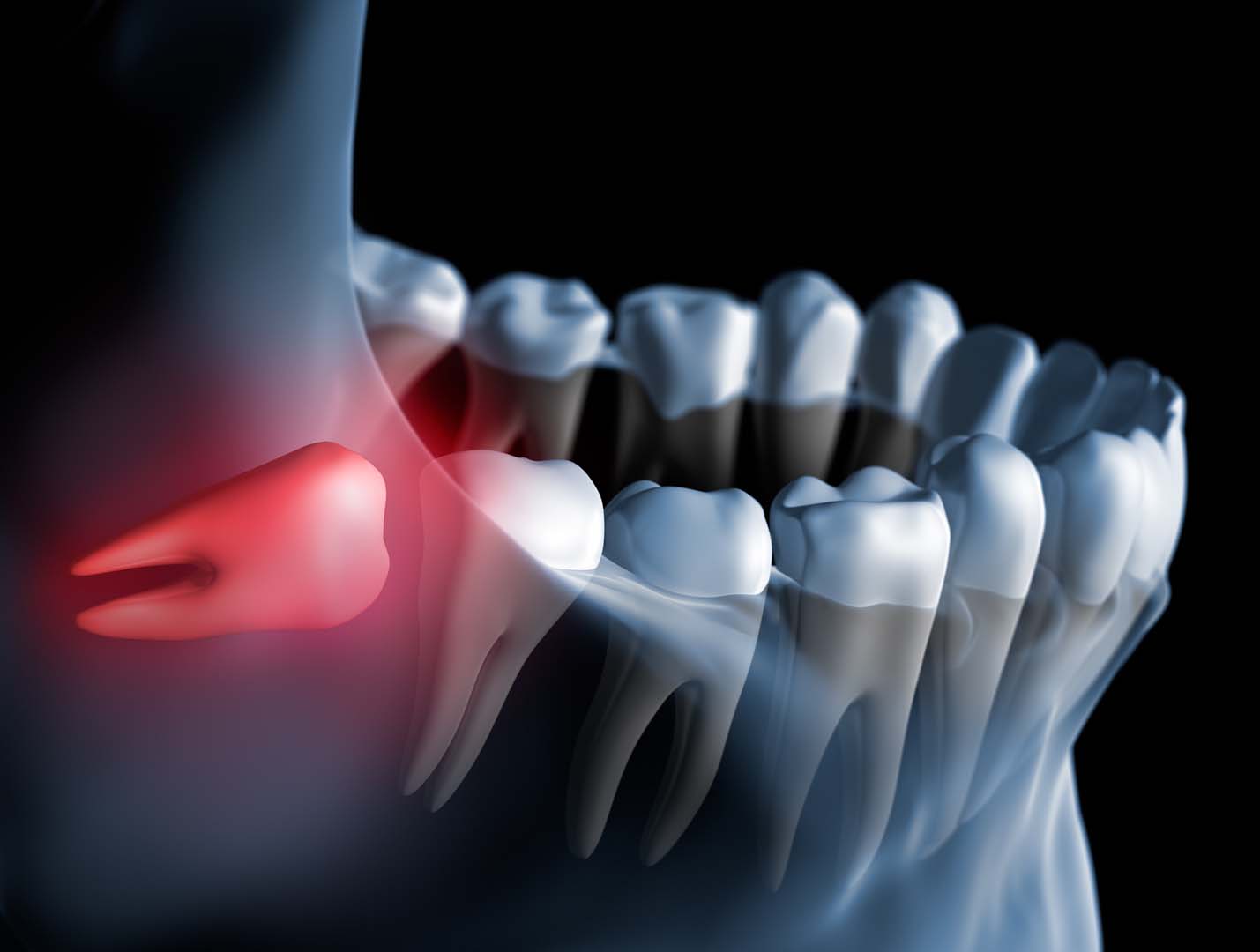
Root canal treatment is often the most effective way to save a damaged or infected tooth while avoiding extraction. However, many patients wonder why the price of this procedure varies from one dental clinic to another. Understanding the factors behind Root Canal treatment Cost in Dubai can help patients make informed decisions, prepare for their dental appointments, and choose treatment that suits their oral health needs. The final cost is not determined by a single factor but depends on the condition of the tooth, the complexity of the procedure, the technology used, and the additional care required to restore the tooth afterward.
Why Does Root Canal Treatment Cost Differently?
Root canal treatment involves removing infected or inflamed pulp from inside a tooth, cleaning the root canals, disinfecting them, and sealing the space to prevent further infection. Although the procedure follows similar principles, every tooth has a different structure, and every patient presents with unique dental concerns.
Some teeth have straightforward root canal systems, while others have multiple canals, curved roots, or hidden anatomical features. These differences can affect the time, precision, and resources needed to complete treatment successfully.
Major Factors That Influence Root Canal Treatment Cost
1. The Type and Location of the Tooth
One of the most important factors affecting treatment expenses is the location of the affected tooth. Front teeth usually have fewer roots and a simpler canal structure, making them relatively easier to treat.
Premolars may have one or two canals, while molars often contain multiple canals that can be difficult to locate and clean thoroughly. Because molars are positioned at the back of the mouth and have more complex anatomy, their treatment may require additional time and expertise.
The more complicated the root structure, the greater the effort involved in completing the procedure properly.
2. Severity of Infection and Tooth Damage
The condition of the tooth before treatment can significantly influence the overall cost. If the infection is limited to the pulp, a standard root canal procedure may be sufficient. However, when the infection spreads to surrounding tissues or causes an abscess, additional procedures may become necessary.
Patients with severe pain, swelling, or prolonged infection may require more extensive cleaning, medication, or follow-up appointments. Early treatment is generally beneficial because it can prevent complications and reduce the need for more complex dental procedures.
3. Expertise and Experience of the Dentist
The professional experience of the dentist performing the treatment is another important consideration. Root canal procedures require precision, careful diagnosis, and a detailed understanding of tooth anatomy.
An experienced dentist can identify complicated canals, manage challenging cases, and minimize the risk of procedural complications. Clinics with specialists in endodontics may charge more because of their advanced training and expertise, particularly when treating difficult or previously unsuccessful root canal cases.
Choosing a dentist based solely on the lowest price may not always be the best decision. Quality treatment and proper infection control are essential for long-term results.
Technology and Additional Procedures
4. Advanced Dental Equipment
Modern dental technology can improve the accuracy and comfort of root canal treatment. Depending on the clinic, procedures may involve digital X-rays, magnification systems, rotary instruments, or electronic apex locators.
These tools help dentists examine the tooth, locate canals, determine working lengths, and clean the root system more precisely. Clinics investing in advanced equipment and modern treatment facilities may have different pricing structures compared with clinics using more basic systems.
5. Dental Crowns and Final Restoration
Root canal treatment removes infected pulp but does not automatically restore the tooth’s strength. A tooth that has lost significant structure may need a crown to protect it from cracking or breaking during chewing.
The cost of the final restoration depends on the material selected, the amount of remaining tooth structure, and whether additional procedures are needed before placing the crown. Molars, in particular, often benefit from protective restorations because they handle substantial chewing pressure.
Patients should always ask whether the quoted treatment includes the permanent filling or crown.
Other Factors That May Affect the Total Expense
6. Retreatment and Complicated Cases
A tooth that has previously undergone root canal treatment may require retreatment if infection returns or the original procedure was unsuccessful. Retreatment can be more complicated because the dentist may need to remove existing filling materials, identify missed canals, and address additional infection.
In some cases, a surgical procedure may also be recommended if conventional treatment cannot resolve the problem.
7. Diagnostic Tests and Follow-Up Visits
Dental examinations, imaging, temporary fillings, medications, and follow-up appointments may contribute to the overall expense. These services help ensure the infection has been managed properly and the treated tooth is healing as expected.
Patients should clarify which diagnostic and follow-up services are included in their treatment plan.
How Can Patients Make Informed Decisions?
Before starting treatment, ask the dentist for a detailed breakdown of the recommended procedure. Confirm whether the price covers consultation, X-rays, cleaning and sealing of canals, permanent restoration, and follow-up care.
It is also helpful to discuss alternative treatments, expected recovery, and the consequences of delaying care. Comparing treatment plans based on quality, transparency, and long-term benefits is more valuable than focusing exclusively on the initial price.
Conclusion
Root canal treatment costs are influenced by several factors, including tooth location, infection severity, canal complexity, dentist expertise, technology, and the restoration needed afterward. Understanding these elements helps patients evaluate treatment options more confidently and avoid unexpected expenses. Addressing dental problems early and choosing appropriate professional care can protect natural teeth, restore comfort, and support lasting oral health.