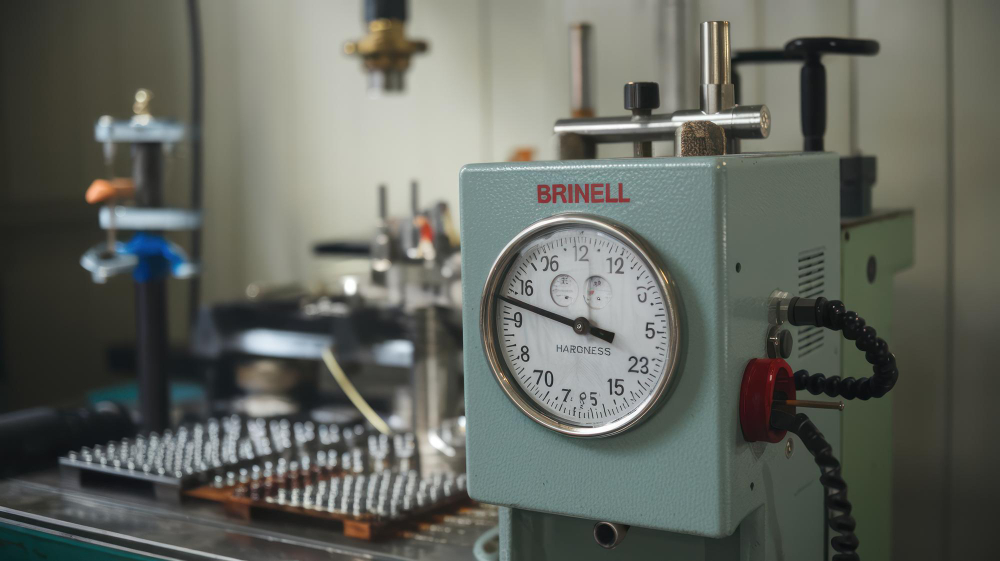
Aluminum extrusions are widely used in industries that require lightweight, durable, and precisely shaped materials for structural and industrial applications. The quality of these extrusions depends heavily on how manufacturers manage production conditions throughout manufacturing. In the Aluminum Profile Extrusion Process, temperature and pressure directly influence material flow, dimensional accuracy, mechanical strength, and surface quality. Even small inconsistencies in these variables can lead to defects, structural weaknesses, or production inefficiencies. Understanding the role of temperature and pressure helps businesses evaluate manufacturing quality more effectively and ensures aluminum profiles meet operational, structural, and performance requirements.
The Importance of Controlled Billet Heating
Proper Heating Improves Material Flow
The extrusion process begins by heating aluminum billets to a controlled temperature before shaping occurs. Heating softens the aluminum enough to allow smooth movement through the extrusion die without melting the material completely. Proper temperature control ensures the billet flows evenly during extrusion, reducing resistance and minimizing defects. Stable heating conditions support more accurate profile formation and smoother production operations.
Uneven Heating Creates Product Defects
Inconsistent billet temperatures can create several manufacturing problems during extrusion. Overheated sections may weaken material properties, while underheated areas can resist proper shaping and increase stress within the profile. Uneven heating may also cause surface cracks, dimensional inaccuracies, or inconsistent wall thicknesses. Careful temperature management helps manufacturers maintain product consistency and structural integrity.
Pressure Shapes the Aluminum Profile
High-Pressure Forces Material Through the Die
Extrusion presses apply significant force to push heated aluminum through a specially designed die. The pressure determines how effectively the material fills the die cavity and forms the intended profile shape. Consistent pressure supports accurate dimensions and smooth surface finishes across the extrusion. Stable pressure also helps maintain uniform structural properties throughout the product.
Incorrect Pressure Causes Dimensional Issues
Insufficient or excessive pressure can negatively affect extrusion quality. Low pressure may result in incomplete profile formation or uneven sections, while excessive pressure increases the risk of die wear and material stress. Poor pressure control may also create distortions, weak structural points, or inconsistent tolerances. Manufacturers carefully monitor extrusion force to balance production efficiency and product quality.
Temperature Affects Surface Quality
Stable Heat Produces Smoother Finishes
Proper temperature control during extrusion contributes directly to surface appearance and finish consistency. Aluminum that flows evenly through the die produces cleaner surfaces with fewer imperfections. Stable thermal conditions reduce friction and help prevent tearing or rough textures on the extrusion. Better surface quality improves both product aesthetics and finishing performance.
Overheating Can Damage the Surface
Excessive heat may create surface defects such as discoloration, oxidation, or tearing during extrusion. Overheated aluminum becomes more difficult to control and may lose dimensional stability during shaping. Surface defects often require additional finishing work or lead to rejected products. Maintaining optimal temperature ranges helps preserve visual quality and manufacturing efficiency.
Pressure Influences Structural Integrity
Balanced Force Maintains Profile Strength
Proper extrusion pressure helps distribute material evenly throughout the profile structure. Uniform distribution improves mechanical strength and reduces weak points within the extrusion. Consistent pressure also helps maintain wall thickness and dimensional stability across complex profile designs. Strong structural integrity supports better long-term performance in demanding applications.
Excessive Pressure Increases Internal Stress
Applying too much force during extrusion may create internal stress within the aluminum profile. These stresses can lead to warping, cracking, or reduced durability after cooling and fabrication. Internal stress also affects how the material responds to machining, welding, or finishing processes later. Controlled pressure application reduces long-term structural risks and improves product reliability.
Die Temperature Impacts Production Accuracy
Heated Dies Support Smooth Extrusion
Manufacturers often preheat extrusion dies to maintain consistent material flow during production. Heated dies reduce thermal shock and help aluminum pass through more evenly. Stable die temperatures improve dimensional accuracy and reduce the likelihood of surface defects. Proper die preparation contributes to smoother manufacturing and longer tooling life.
Cold Dies Create Flow Disruptions
Using dies that are too cold may interrupt aluminum flow and increase friction during extrusion. Uneven flow can cause tearing, distortion, or inconsistent profile shapes. Cold dies may also create stress points that affect structural quality. Maintaining appropriate die temperatures supports more stable extrusion performance and consistent product output.
Cooling Rates Affect Final Product Quality
Controlled Cooling Stabilizes the Profile
After extrusion, aluminum profiles undergo cooling to preserve shape and material properties. Controlled cooling methods help reduce internal stress and maintain dimensional stability. Proper cooling also improves hardness and structural consistency based on alloy specifications. Stable cooling procedures contribute to stronger and more reliable extrusion performance.
Rapid Cooling Can Create Stress
Cooling aluminum too quickly may create thermal stress or uneven hardness within the profile. Sudden temperature changes can lead to warping, cracking, or dimensional distortion. Manufacturers carefully manage cooling rates to balance strength and stability requirements. Proper thermal control during cooling protects long-term product durability.
Temperature and Pressure Affect Die Lifespan
Stable Conditions Reduce Tool Wear
Extrusion dies experience significant stress during production, especially under high temperatures and pressure levels. Controlled operating conditions reduce excessive wear and extend die lifespan. Better tooling durability improves dimensional consistency across production batches. Reduced die wear also lowers maintenance costs and production interruptions.
Extreme Conditions Damage Tooling Faster
Excessive heat or pressure accelerates die erosion and increases the risk of tooling failure. Damaged dies produce inaccurate profiles and poor surface finishes over time. Frequent tooling replacement also raises operational expenses and production downtime. Manufacturers that manage conditions carefully maintain stronger production efficiency and product quality.
Process Control Improves Manufacturing Efficiency
Monitoring Systems Maintain Consistency
Modern extrusion facilities use monitoring systems to track temperature and pressure throughout production. These systems help operators detect inconsistencies before defects develop. Continuous monitoring improves production accuracy and reduces material waste. Better process control also supports higher manufacturing efficiency and quality assurance standards.
Consistent Production Reduces Waste
Stable temperature and pressure conditions produce more reliable extrusion results across batches. Consistency reduces rejected products, rework requirements, and material losses during manufacturing. Businesses benefit from improved operational efficiency and lower production costs. Reliable process management supports stronger profitability and supply chain performance.
Temperature and Pressure Affect Downstream Processes
Properly Extruded Profiles Are Easier to Fabricate
Profiles produced under controlled conditions perform better during machining, welding, and assembly operations. Stable material properties improve cutting accuracy, finishing quality, and fabrication consistency. Manufacturers and customers both benefit from smoother downstream processing. High-quality extrusions support better operational efficiency throughout the supply chain.
Poor Process Control Creates Additional Costs
Profiles with inconsistent dimensions or internal stress may require additional correction during fabrication. These issues increase labor costs, production delays, and material waste. Businesses sourcing aluminum extrusions should evaluate manufacturing standards carefully before selecting suppliers. Strong process control helps prevent costly operational disruptions later.
Key Takeaway
Temperature and pressure are two of the most important factors influencing the Aluminum Profile Extrusion Process and the quality of the final product. Proper control of these variables supports smoother material flow, accurate dimensions, stronger structural integrity, and better surface finishes throughout production. Inconsistent thermal or pressure conditions can create defects, increase tooling wear, and reduce long-term product performance. Manufacturers that maintain stable production environments achieve better operational efficiency, reduced waste, and more reliable extrusion quality. Businesses that understand these process factors can make more informed sourcing decisions and ensure stronger performance from aluminum extrusion products.