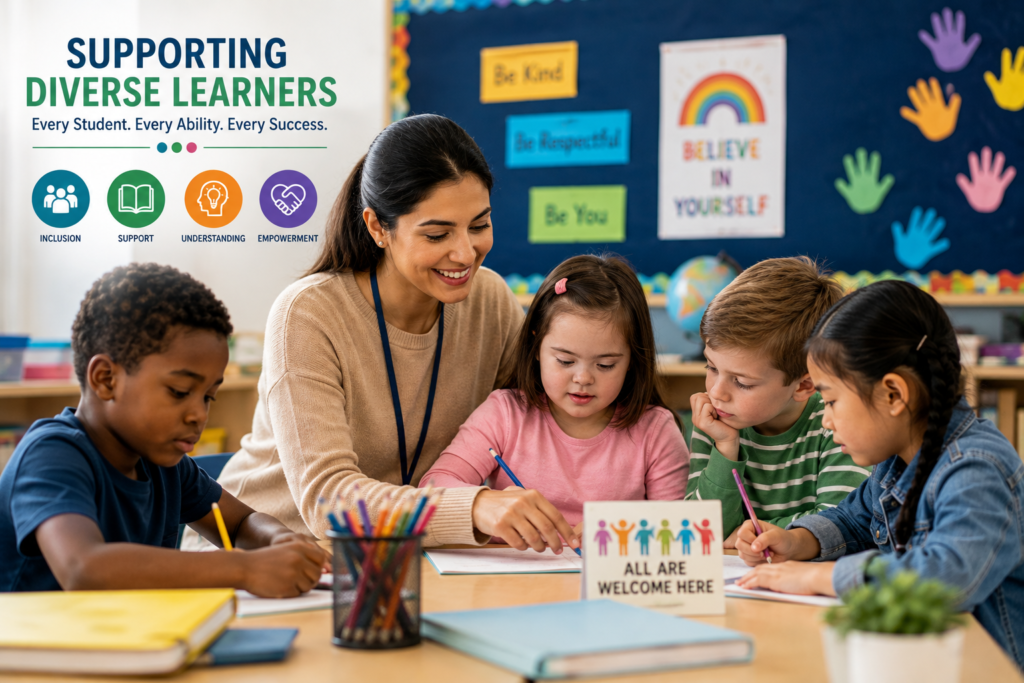
Today’s classrooms are more diverse than ever before. Students come from different cultural backgrounds, possess varying learning abilities, and require unique teaching approaches to achieve their full potential. As schools continue to embrace inclusive education, teaching assistants play a crucial role in creating supportive learning environments where every child can thrive.
A teachers assistant course equips aspiring education professionals with the practical knowledge and confidence needed to work alongside teachers while meeting the needs of diverse learners. From supporting children with additional learning needs to encouraging participation among all students, the right training prepares individuals to make a meaningful difference in the classroom.
Understanding Diversity in Modern Classrooms
No two students learn in exactly the same way. Some excel through visual learning, while others respond better to hands-on activities or verbal instruction. In addition, classrooms often include pupils with varying cultural backgrounds, language abilities, behavioural needs, and special educational requirements.
Teaching assistants help bridge these differences by providing personalised support that allows every student to participate confidently in lessons.
Understanding diversity means recognising each learner’s strengths rather than focusing solely on their challenges.
Why Inclusive Education Matters
Inclusive education aims to ensure that every child has equal access to quality learning opportunities regardless of their abilities or background.
Rather than separating students who require additional support, inclusive classrooms encourage participation, collaboration, and respect among all learners.
Teaching assistants contribute by:
- Encouraging classroom participation
- Providing one-to-one support
- Helping adapt learning activities
- Reinforcing teacher instructions
- Building student confidence
Their presence allows teachers to focus on delivering lessons while ensuring every student receives appropriate guidance.
Building Skills Through Professional Training
A teachers assistant course provides learners with the essential skills required to work effectively within modern educational settings.
Course content often includes:
- Child development
- Behaviour management
- Safeguarding responsibilities
- Classroom organisation
- Communication techniques
- Inclusive teaching strategies
- Supporting students with additional needs
These practical skills prepare future teaching assistants to respond confidently to a wide range of classroom situations.
Supporting Students with Different Learning Styles
Every student processes information differently.
Some learners absorb knowledge through reading, while others benefit from demonstrations, discussion, or physical activities.
Teaching assistants learn how to recognise these differences and provide appropriate support without disrupting the teacher’s lesson plan.
For example, they may:
- Explain instructions using simpler language.
- Provide visual learning aids.
- Offer additional practice activities.
- Encourage active participation.
- Monitor student understanding.
These adjustments help learners remain engaged throughout the lesson.
Assisting Pupils with Additional Learning Needs
Many classrooms include children with Special Educational Needs (SEN) or disabilities that require additional support.
Teaching assistants often work closely with these students by:
- Supporting individual education plans
- Encouraging independent learning
- Helping maintain classroom routines
- Promoting positive behaviour
- Assisting communication between teachers and families
Proper training ensures assistants understand how to provide encouragement while promoting independence rather than dependence.
Encouraging Positive Classroom Relationships
Inclusive education extends beyond academics.
Students perform better when they feel respected, accepted, and valued by both teachers and classmates.
Teaching assistants frequently help create positive classroom environments by:
- Promoting teamwork
- Encouraging respectful communication
- Supporting emotional wellbeing
- Reducing social isolation
- Helping resolve minor conflicts
Strong relationships contribute significantly to student confidence and overall classroom success.
Working Effectively Alongside Teachers
Teaching assistants do not replace teachers—they enhance classroom support.
Effective collaboration involves:
- Understanding lesson objectives
- Preparing learning materials
- Observing student progress
- Sharing constructive feedback
- Assisting with classroom management
A well-trained teaching assistant becomes an important part of the educational team, helping teachers deliver more personalised learning experiences.
Developing Communication Skills
Communication is one of the most valuable skills teaching assistants develop.
They regularly communicate with:
- Teachers
- Students
- Parents
- School administrators
- Specialist support staff
A teachers assistant course helps learners build professional communication skills that improve collaboration while ensuring students receive consistent support across different learning environments.
Flexible Learning for Future Professionals
Many aspiring teaching assistants balance education alongside employment or family commitments.
Online learning has made professional development more accessible than ever before.
Flexible study options allow learners to progress at their own pace without disrupting their daily responsibilities.
Institutions such as UK Open College provide accessible online programmes designed to support individuals seeking careers in education while managing busy schedules.
This flexibility enables more people to gain recognised qualifications and pursue rewarding classroom support roles.
Building Confidence Before Entering the Classroom
Practical knowledge alone is not enough.
Confidence plays a major role in supporting students effectively.
Throughout training, learners develop greater confidence by understanding:
- Classroom expectations
- Professional responsibilities
- Child safeguarding
- Inclusive teaching methods
- Effective behaviour support
This preparation allows new teaching assistants to enter classrooms feeling ready to contribute from day one.
Career Opportunities After Completing the Course
Completing a teachers assistant course can open the door to several rewarding educational support roles.
Possible career pathways include:
- Teaching Assistant
- Learning Support Assistant
- SEN Support Assistant
- Early Years Assistant
- Classroom Support Worker
- School Administrative Assistant
Many individuals also continue their professional development through additional education qualifications and specialised training.
Conclusion
Inclusive education depends on skilled professionals who understand how to support learners with varying abilities, backgrounds, and educational needs. Teaching assistants play a valuable role in helping every student participate confidently while assisting teachers in creating productive classroom environments.
A teachers assistant course provides the practical knowledge, communication skills, and inclusive teaching strategies needed to support diverse learners effectively. With flexible learning opportunities available through providers such as UK Open College, aspiring teaching assistants can prepare for meaningful careers while balancing their existing commitments.
As schools continue to prioritise inclusion, qualified teaching assistants will remain an essential part of successful educational teams.
Continue Reading
To learn more about balancing education with everyday responsibilities, readers may also enjoy the previous article, “How an Assistant Teacher Course Online Fits Around a Busy Schedule.” It explores how flexible online learning enables aspiring teaching assistants to gain valuable qualifications while managing work, family, and personal commitments, making career progression more accessible for busy adults.
FAQs
1. What is the purpose of a teachers assistant course?
It prepares learners with the practical skills and knowledge needed to support teachers, assist students, and contribute to inclusive classroom environments.
2. Can teaching assistants support students with special educational needs?
Yes. Professional training helps teaching assistants understand how to provide appropriate support while encouraging student independence and participation.
3. Is previous classroom experience required before enrolling?
No. Many courses are designed for beginners who want to start a career in educational support.
4. What skills are developed during the course?
Learners typically develop communication, behaviour management, safeguarding awareness, classroom organisation, and inclusive learning support skills.
5. Can I study while working full-time?
Yes. Many online programmes allow learners to study flexibly around work, family, and other commitments, making professional development easier to manage.