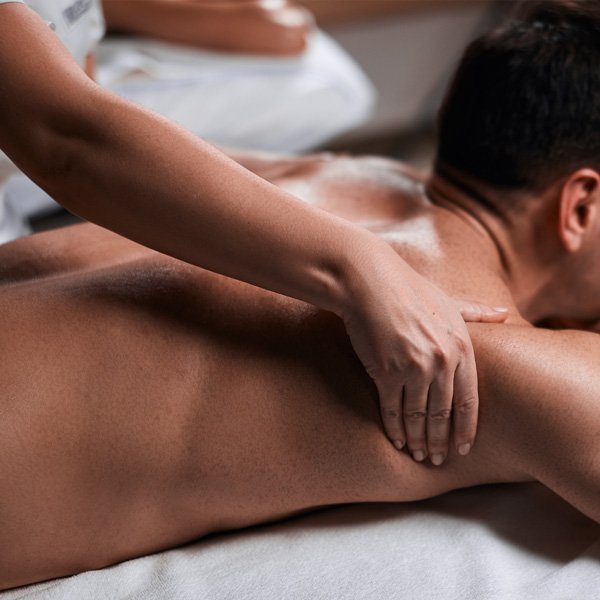
Regular exercise can be excellent for overall wellbeing, but an active lifestyle also places repeated demands on the body. Running, cycling, strength training, team sports and other activities can leave muscles feeling tight or fatigued, particularly when training becomes more intense or frequent.
Sports massage is one approach people use alongside their normal exercise routine. Although its name may suggest that it’s only for professional athletes, the technique can be suitable for a much wider range of active people. The focus is generally on muscles and soft tissues that have experienced repeated physical demands.
For people considering Sports Massage Kensington, understanding what the treatment can realistically offer is useful before booking a session. Massage can complement training and recovery habits, but it shouldn’t replace proper rest, nutrition, hydration or medical assessment when an injury is suspected.
What Is Sports Massage?
Sports massage is a form of massage designed with physical activity and muscular needs in mind. A therapist may use different techniques and levels of pressure depending on the client’s activity, areas of tension and treatment goals.
The session doesn’t necessarily need to be extremely intense to be useful.
It Isn’t Only for Athletes
You don’t have to compete in races or play organised sport to consider sports massage. People who exercise recreationally, attend the gym or maintain active jobs may also experience muscular tension and fatigue.
The treatment can be adapted according to individual requirements rather than following one fixed routine.
Why Do Active People Experience Muscle Tension?
Exercise creates physical demands on muscles, and repeated activity can contribute to feelings of tightness or fatigue.
Common factors include:
- Increased training volume
- New exercises
- Repetitive movements
- Long training sessions
- Insufficient recovery
- Changes in exercise intensity
Poor technique or unsuitable training progression can also contribute to discomfort.
What Happens During a Sports Massage?
A session will usually begin with a conversation about your activity levels, areas of concern and what you want from the treatment.
The therapist can then determine which areas deserve attention and adapt the techniques accordingly.
Communication Should Continue Throughout
Tell the therapist if the pressure is uncomfortable or if a particular area feels unusually sensitive.
A productive session isn’t about enduring as much discomfort as possible. Pressure and technique should remain appropriate for the individual.
Potential Benefits
People may choose sports massage for several reasons.
It can potentially support:
- Relaxation after exercise
- Management of muscular tension
- A general sense of mobility
- Comfort following physical activity
- Awareness of areas that feel particularly tight
Individual responses vary, and massage shouldn’t be presented as a guaranteed treatment for sports injuries or medical conditions.
Massage Before or After Exercise?
The appropriate timing depends on the type and intensity of treatment.
A lighter, more general massage may feel different from a deeper session focused on areas of significant tension. Discuss your training schedule with the therapist so the treatment can be planned appropriately.
Don’t Schedule Intensive Treatment at the Wrong Time
A very demanding massage immediately before strenuous exercise may not be comfortable for everyone.
If you’re preparing for an important event or competition, avoid experimenting with an unfamiliar treatment immediately beforehand. Allow enough time to understand how your body responds.
Recovery Requires More Than Massage
Massage can be one part of an effective recovery routine, but it isn’t a replacement for fundamental habits.
Active people should also consider:
- Adequate sleep
- Appropriate hydration
- Balanced nutrition
- Rest days
- Sensible training progression
- Suitable warm-ups and cool-downs
These basics provide the foundation for sustainable physical activity.
Recognise the Difference Between Tension and Injury
Not every ache following exercise requires treatment, but persistent or severe pain shouldn’t automatically be treated as ordinary muscle tightness.
Swelling, significant weakness, sudden pain or difficulty using a body part may indicate an injury that needs appropriate professional assessment.
Don’t Massage a Suspected Serious Injury
Trying to work aggressively on an acute injury could potentially make the situation worse.
If you’re uncertain about whether massage is appropriate, speak with a suitable healthcare professional before booking treatment.
Tell Your Therapist About Your Training
The more relevant information your therapist has, the easier it can be to tailor the session.
Mention your usual activities, recent changes in training, areas of recurring tension and any previous injuries that may be relevant.
This helps the therapist understand why particular muscles may be experiencing increased demands.
Choosing a Sports Massage Provider
When comparing providers, look beyond price.
Consider:
- Practitioner experience
- Consultation process
- Hygiene standards
- Treatment environment
- Communication
- Approach to pressure
- Appointment availability
You should feel comfortable discussing your needs and asking questions before treatment begins.
For people researching Sports Massage Streatham, it can also be useful to ask whether the therapist adapts sessions to different activities rather than using an identical routine for every client.
Make Massage Part of a Sensible Routine
Some active people prefer occasional massage when particular areas feel tight, while others incorporate it into their broader wellbeing routine.
There isn’t a universal schedule that suits everyone. How often you need treatment depends on your activity levels, preferences and how your body responds.
If discomfort repeatedly returns, consider whether training load, technique, footwear, equipment or recovery habits may need attention rather than simply increasing massage frequency.
Prepare for Your Appointment
Arrive with enough time to discuss your requirements without feeling rushed. Avoid turning up immediately after a particularly demanding workout if you’re already exhausted or dehydrated.
After treatment, allow yourself time to notice how your body feels before returning to strenuous activity.
Keep Your Expectations Realistic
Sports massage can provide a useful hands-on experience for managing everyday muscular tension and supporting relaxation, but it isn’t a substitute for diagnosis or treatment of injuries.
A responsible therapist should explain what the session can and cannot reasonably achieve.
Conclusion
Sports massage can complement an active lifestyle by focusing on areas of muscular tension and providing a dedicated opportunity for relaxation and body awareness. It works best alongside sensible training, rest, hydration and nutrition rather than being treated as a replacement for them. Healing Hands by Payal provides massage treatments tailored to individual needs, allowing active clients to discuss their routines and preferences before receiving a session designed around their particular requirements.