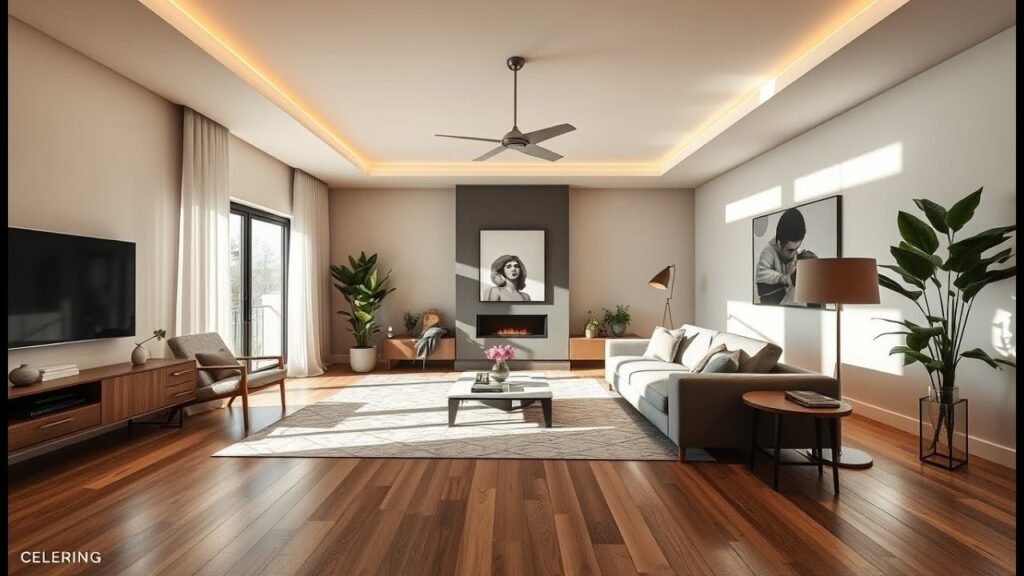
Interior design trends continue to shift toward personalization, and nowhere is that more visible than in flooring choices. More homeowners are moving away from mass-produced flooring options and instead investing in custom wood floors that reflect their personal style, the architecture of their home, and the way they actually live day to day.
Why Homeowners Are Turning to Custom Wood Floors
Standard prefinished flooring works for many homes, but it rarely captures the character that custom wood floors provide. With custom options, homeowners can select unique wood species, plank widths, stain colors, and even decorative inlays that cannot be found in big-box flooring aisles. Designers report that requests for custom wood floors have grown steadily as homeowners spend more time researching materials online before committing to a renovation.
Common reasons homeowners choose a custom approach include:
- A desire for a one-of-a-kind design not found in neighboring homes
- Matching flooring to existing woodwork, trim, or cabinetry
- Incorporating borders, medallions, or herringbone patterns
- Selecting sustainably sourced or reclaimed wood species
- Achieving a specific color palette that prefinished products cannot replicate
The Design and Planning Process
Creating custom wood floors requires more planning than a standard installation. Designers typically walk through the home to understand natural lighting, room flow, and existing finishes before recommending species and stain combinations. This collaborative process ensures the final product complements the entire home rather than standing out as an afterthought.
Key stages of the planning process include:
- In-home consultation and design discussion
- Sample selection for wood species and finishes
- Custom pattern or inlay design, if desired
- Precise measurement and material ordering
- Professional installation and finishing
Long-Term Value of a Custom Investment
While custom wood floors typically require a larger upfront investment than standard options, the long-term value is significant. A well-designed custom floor becomes a defining feature of a home, often cited by real estate agents as a strong selling point. Because these floors are built with quality materials and expert craftsmanship, they also tend to hold up better over time, reducing the need for premature replacement. For homeowners who view their house as a long-term asset rather than a temporary residence, custom wood floors offer both aesthetic satisfaction and practical durability that standard flooring simply cannot match, which is why so many renovation projects now begin with a conversation about custom wood floors rather than an afterthought at the very end.