Grease Pump: A Complete Guide to Types, Uses, Benefits, and Maintenance
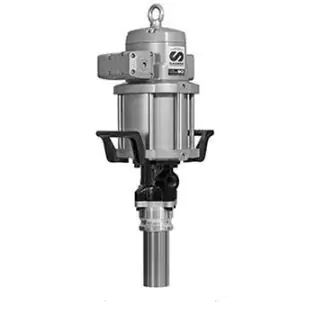
Grease Pumps
A grease pump is an essential tool used for applying lubricating grease to machinery, bearings, joints, gears, and other mechanical components that require regular lubrication. By delivering grease under controlled pressure, a grease pump helps reduce friction, prevent premature wear, protect components from contamination, and extend equipment service life.
Grease pumps are widely used in automotive workshops, manufacturing facilities, construction sites, agriculture, marine applications, mining operations, and industrial maintenance. Choosing the right pump and using it correctly can make lubrication faster, cleaner, and more effective.
What Is a Grease Pump?
A grease pump is a mechanical or powered device designed to transfer grease from a container or reservoir to a lubrication point. Unlike conventional oil lubrication systems, grease remains in place for longer periods and can provide protection in applications where oil may leak away.
The pump generates pressure that pushes grease through a hose, pipe, or flexible delivery line toward a grease fitting, commonly known as a grease nipple or Zerk fitting. Once connected to the lubrication point, the operator activates the pump to force the required amount of grease into the component.
Grease pumps are available in different sizes, designs, pressure ratings, and operating methods. The appropriate choice depends on the type of equipment, grease consistency, required pressure, and frequency of lubrication.
How Does a Grease Pump Work?
The basic operation of a grease pump is relatively simple. Grease is stored inside a reservoir, cartridge, drum, or bulk container. When the pump is activated, a plunger, piston, diaphragm, or other pumping mechanism creates pressure.
This pressure moves grease through the outlet and into the delivery hose. The hose is connected to a grease gun coupler or another suitable fitting, which attaches to the lubrication point.
Depending on the pump design, the system may operate manually, pneumatically, electrically, or hydraulically. Some industrial grease pumps are incorporated into automatic lubrication systems that distribute grease to several lubrication points at predetermined intervals.
Common Types of Grease Pumps
Different applications require different grease pump designs. Understanding the main types makes it easier to select suitable equipment.
1. Manual Grease Pump
Manual grease pumps are operated by hand and are commonly used for maintenance work where lubrication points are limited. They are simple, portable, and generally economical.
A lever or handle is used to generate pressure and force grease through the hose. Manual pumps are suitable for vehicles, agricultural equipment, small machinery, and general workshop applications.
2. Pneumatic Grease Pump
Pneumatic grease pumps use compressed air to move grease. They are particularly useful in workshops and industrial environments where compressed air is readily available.
Because they require less physical effort than manual pumps, pneumatic systems are useful when many lubrication points need to be serviced regularly. They can also provide consistent grease delivery and operate at relatively high pressures.
3. Electric Grease Pump
Electric grease pumps use an electric motor to operate the pumping mechanism. They are convenient for frequent lubrication and can be used in workshops, factories, fleet maintenance operations, and industrial environments.
Corded and battery-powered models are available. Battery-powered grease pumps are especially useful for mobile maintenance because they do not require an electrical outlet during operation.
4. Hydraulic Grease Pump
Hydraulic grease pumps use hydraulic power to deliver grease under pressure. These systems are generally associated with heavy-duty industrial applications where reliable and powerful lubrication is required.
They may be integrated into centralized lubrication systems or specialized machinery.
5. Automatic Grease Pump
Automatic grease pumps are designed to provide lubrication without requiring an operator to manually pump grease each time. They can be programmed to deliver specific quantities at predetermined intervals.
These systems are valuable for large machinery with numerous lubrication points or equipment that operates continuously. Automatic lubrication can reduce maintenance labor and help ensure that important components receive grease consistently.
Applications of Grease Pumps
Grease pumps are used across numerous industries because lubrication is critical for mechanical equipment.
Automotive Maintenance
Cars, trucks, buses, trailers, and commercial vehicles contain various components that may require grease lubrication. Workshops use grease pumps to service bearings, suspension components, joints, and other suitable parts.
Heavy-duty vehicles may require more frequent lubrication because they operate under higher loads and harsher conditions.
Construction Equipment
Excavators, loaders, cranes, bulldozers, and other construction machines have numerous moving joints and pivot points. Proper lubrication helps reduce friction and wear caused by heavy loads, dust, dirt, and continuous operation.
A suitable grease pump makes it easier for operators and technicians to maintain these lubrication points.
Agriculture
Tractors, harvesters, cultivators, balers, and other agricultural equipment operate in demanding environments. Dust, moisture, soil, and heavy loads can increase component wear.
Regular grease application helps protect bearings, pins, bushings, and other moving parts.
Manufacturing
Industrial machinery often operates for long hours at high speeds or under substantial loads. Grease pumps can be used as part of routine preventive maintenance programs to keep bearings, gears, and other components properly lubricated.
Mining and Heavy Industry
Mining equipment is exposed to extreme operating conditions, including heavy loads, dust, vibration, and long operating cycles. Heavy-duty grease pumps and centralized lubrication systems can help deliver lubricant to critical points.
Benefits of Using a Grease Pump
Using the right grease pump offers several important advantages.
Improved Lubrication
A grease pump helps deliver lubricant directly to the required point. This can provide better coverage and reduce the possibility of applying too little grease.
Reduced Component Wear
Proper lubrication minimizes friction between moving surfaces. Reduced friction can help lower mechanical wear and extend the useful life of bearings, joints, bushings, and other components.
Increased Equipment Reliability
Poor lubrication is a common maintenance problem. Regular and appropriate greasing can help reduce unexpected failures and contribute to more reliable machinery operation.
Faster Maintenance
Powered and high-capacity grease pumps can significantly reduce the time required to lubricate multiple components compared with traditional manual methods.
Better Workplace Efficiency
When lubrication can be performed quickly and consistently, maintenance teams can spend less time on routine servicing and more time addressing other maintenance requirements.
How to Choose the Right Grease Pump
Several factors should be considered before purchasing a grease pump.
First, determine the required pressure. Some machinery requires higher pressure to push grease through fittings or into components.
Next, consider the grease type and consistency. Grease is available in different grades and formulations, and the pump should be compatible with the lubricant being used.
The capacity of the reservoir is also important. A smaller pump may be suitable for occasional maintenance, while larger reservoirs are more convenient for industrial operations.
You should also consider the power source. Manual pumps are convenient for basic applications, while pneumatic and electric models may be better for frequent or high-volume lubrication.
Finally, check the hose length, coupler compatibility, portability, durability, and replacement-part availability before making a purchase.
Proper Grease Pump Maintenance
Like any maintenance tool, a grease pump should itself be properly maintained. Keep the pump clean and protect it from dust, moisture, and other contaminants.
Inspect hoses and connections regularly for leaks, cracks, or damage. Check couplers and fittings to ensure they connect securely. If the pump has seals or other wear components, replace them when necessary.
It is also important to avoid mixing incompatible greases. Contamination or incorrect lubricant selection can reduce lubrication performance and potentially damage equipment.
Store grease cartridges and bulk grease in clean, suitable conditions. Keeping the lubricant protected from contaminants is just as important as maintaining the pump.
Common Mistakes to Avoid
One common mistake is applying too much grease. Over-lubrication can increase temperature and pressure in certain bearings and may cause premature component failure.
Another mistake is using the wrong grease. Different machines and components may require specific grease formulations or viscosity grades.
Dirty fittings can also introduce contaminants into the lubrication system. Always clean the grease fitting before connecting the pump.
Finally, lubrication should not be based solely on guesswork. Following the equipment manufacturer’s maintenance recommendations can help determine the appropriate grease type, quantity, and lubrication interval.
Conclusion
A grease pump is a valuable maintenance tool for keeping mechanical equipment properly lubricated. From simple manual pumps used in automotive workshops to automated systems serving large industrial machinery, grease pumps are available for a wide range of applications.
Selecting the right pump involves considering pressure requirements, grease compatibility, capacity, power source, operating environment, and frequency of use. Regular maintenance of both the pump and the equipment being lubricated is equally important.
When used correctly, a grease pump can make lubrication more efficient, reduce component wear, support equipment reliability, and contribute to a longer service life. For businesses operating vehicles, construction equipment, agricultural machinery, or industrial systems, investing in the appropriate grease pump can be an important part of an effective preventive maintenance strategy.