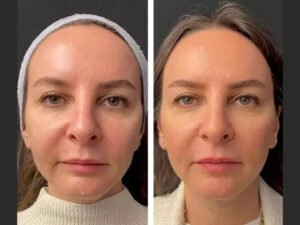
Dermal fillers have become a popular option for people who want to enhance facial features, improve the appearance of volume loss, and achieve a refreshed look without undergoing surgery. However, choosing the right filler treatment involves more than selecting a particular product or deciding which area to enhance. Every face has different proportions, skin characteristics, and aesthetic requirements, making individual assessment an important part of treatment planning.
When considering Dermal Fillers in London, patients may explore treatments for areas such as the cheeks, lips, chin, jawline, and the lines around the mouth. The most suitable approach depends on several factors, including facial anatomy, skin quality, personal preferences, the treatment area, and the type of result a person hopes to achieve.
Understanding these considerations can help patients make informed decisions and have realistic expectations before beginning treatment. Rather than following general beauty trends, a personalised approach focuses on facial harmony and selecting an appropriate treatment for each individual’s needs.
Understanding the Different Types of Dermal Fillers
Dermal fillers are injectable products designed to add volume, support selected facial structures, or soften certain lines and contours. Different formulations have different characteristics, which influence how they behave within the tissue and which areas they may be suitable for.
Hyaluronic acid fillers are widely used in aesthetic practice. Hyaluronic acid is a substance naturally present in the body that helps maintain hydration and contributes to the skin’s supportive structure. These fillers are available in different formulations, allowing practitioners to select products according to the treatment area and desired outcome.
Some fillers are designed to provide subtle definition in areas requiring flexibility, while others offer greater structural support for selected facial contours. The choice depends on the intended purpose of the treatment rather than simply the product’s popularity.
A consultation helps determine whether a particular filler is appropriate for the patient’s goals, facial features, and skin characteristics.
How Facial Anatomy Influences Filler Selection
Facial anatomy is one of the most important considerations when choosing a filler treatment. The face contains different tissue layers, muscles, fat compartments, and supporting structures. These features vary from person to person and influence how a filler may be used to create a balanced appearance.
Cheek Structure and Midface Volume
The cheeks contribute significantly to facial shape and proportions. Changes in volume in the midface can affect the appearance of the under-eye area, nasolabial folds, and overall facial contours.
For some patients, cheek filler may be considered to restore selected areas of volume or create greater definition. Others may benefit from a more conservative approach that maintains their existing facial shape.
The natural position of the cheekbones, the distribution of facial tissue, and the relationship between the cheeks and lower face all influence treatment planning.
Lip Shape and Proportions
Lip filler treatments require careful consideration of natural lip shape, symmetry, and the relationship between the upper and lower lips. Some people want a subtle increase in fullness, while others are more interested in improving definition along the lip border.
A suitable treatment plan considers the patient’s natural proportions and aims to avoid an appearance that feels disproportionate to the rest of the face.
Chin and Jawline Definition
The chin and jawline help establish the structure of the lower face. Depending on individual anatomy, filler may be considered to improve selected contours or create a more defined profile.
However, these treatments are not equally appropriate for everyone. Existing bone structure, soft-tissue volume, and the relationship between the chin, lips, and nose should be assessed before choosing a treatment.
The Importance of Skin Quality and Age-Related Changes
Skin quality can influence both the choice of filler and the overall treatment plan. Factors such as elasticity, hydration, thickness, and the degree of visible skin laxity help determine which approach may be appropriate.
For example, a person with relatively good skin elasticity and localised volume loss may have different requirements from someone experiencing more noticeable skin laxity and changes in facial support.
Age can also influence facial appearance, but chronological age alone should not determine treatment selection. People of the same age may have very different skin characteristics, facial structures, and aesthetic goals.
An assessment should consider the changes that are actually present rather than assuming that a particular age group requires a specific treatment.
It is also important to recognise that fillers are primarily used to address selected concerns involving volume, contour, and certain lines. They do not replace every treatment designed to improve skin texture, pigmentation, or significant skin laxity. Where appropriate, a practitioner may discuss other options instead of recommending filler alone.
Matching the Filler to the Treatment Area
Different areas of the face have different movement patterns, tissue characteristics, and aesthetic requirements. Consequently, a filler suitable for one area may not be the best choice for another.
Selecting Fillers for the Lips
The lips are mobile and have delicate contours. Filler selection should account for flexibility, the desired degree of fullness, and the patient’s natural lip shape.
A treatment plan may focus on subtle hydration and definition rather than a noticeable increase in size. The amount of product used should be guided by the patient’s anatomy and the intended result.
Choosing Fillers for the Cheeks
Cheek treatments may aim to improve contour, address selected areas of volume loss, or create a more balanced relationship between the midface and lower face.
The practitioner considers the location of existing volume, facial proportions, and the degree of support required. Product characteristics and placement are selected according to the individual assessment.
Considering Fillers for the Chin and Jawline
Chin and jawline treatments often focus on definition and proportion. The appropriate product depends on the structure of the area and the type of contour being considered.
Patients should understand that injectable treatments can modify selected soft-tissue contours but cannot reproduce every feature of underlying bone structure. A consultation helps establish what may be achievable without creating an unnatural appearance.
Personal Aesthetic Goals and Desired Results
A person’s goals are central to choosing a suitable filler treatment. Some patients want a refreshed appearance that is difficult to distinguish from their natural features, while others may prefer more noticeable definition in a particular area.
During a consultation, patients should explain what they would like to change and which features they want to preserve. Referring to photographs can sometimes help communicate preferences, although the same result cannot necessarily be reproduced on another person’s face because anatomy differs.
The practitioner should discuss whether the requested outcome is realistic and whether filler is an appropriate way to pursue it.
For those considering Fillers In London, a useful starting point is to identify the specific concern rather than choosing a treatment based on a product name or a trend. This allows the discussion to focus on individual needs, suitable options, and a balanced outcome.
A personalised approach also recognises that doing less may sometimes be more appropriate. Not every facial feature needs enhancement, and the most suitable treatment plan may involve a small, targeted change or no filler at all.
The Role of Facial Symmetry and Proportion
Facial symmetry can influence how people perceive their appearance, but perfect symmetry is neither common nor necessary for a natural-looking result. Minor differences between the two sides of the face are normal.
A practitioner should assess the face as a whole, considering how the forehead, nose, cheeks, lips, chin, and jawline relate to one another. Treating one area in isolation may not always produce the most balanced result.
For example, increasing cheek volume can affect the visual relationship between the midface and lower face. Similarly, changing chin projection may influence how the profile appears.
The aim of treatment planning should therefore be to understand the overall facial structure and make proportionate adjustments where appropriate. This approach helps avoid unnecessary treatment and supports results that complement the patient’s existing features.
Previous Treatments and Individual Treatment History
Previous aesthetic treatments can influence future filler choices. Patients who have received fillers before should tell their practitioner which areas were treated, approximately when the treatments took place, and whether they experienced any unexpected changes.
Where possible, details about the products previously used can also be helpful. Different filler formulations may remain in the tissue for varying periods, so the visible result does not always indicate the full extent of the remaining product.
A practitioner may need to assess existing filler before recommending additional treatment. In some circumstances, waiting, reviewing the previous treatment, or considering an alternative approach may be more appropriate than adding more volume.
Patients should not assume that repeat treatment is automatically necessary at a fixed interval. The decision should reflect the current appearance, the product involved, and the individual’s needs.
Why a Professional Consultation Matters
A consultation provides an opportunity to assess facial features, discuss goals, review relevant medical and treatment history, and determine whether filler is appropriate.
A qualified, appropriately trained practitioner should explain the available options in clear language and discuss the expected benefits, limitations, likely duration of results, and alternatives. Patients should have enough information to make a considered decision without feeling pressured to proceed.
The consultation may include discussion of:
- The specific facial concern the patient wants to address.
- Skin quality, facial anatomy, and existing volume.
- The most suitable filler type for the intended area.
- The amount of product that may be appropriate.
- The anticipated appearance and duration of the result.
- Previous treatments and relevant medical history.
- Whether another treatment or no treatment would be more suitable.
Choosing a Dermal Fillers Clinic in London should involve more than comparing prices or selecting a clinic based on photographs alone. Patients should consider practitioner qualifications, experience with the proposed treatment, consultation standards, and the clinic’s approach to aftercare.
Clear communication is particularly important when discussing expectations. A reputable practitioner should be willing to explain why a treatment is recommended and acknowledge when a requested outcome may not be realistic.
Understanding the Importance of a Conservative Approach
A conservative approach can be valuable when planning filler treatments, particularly for patients who are new to injectables or who want to maintain subtle facial changes.
Starting with a clear treatment objective helps prevent unnecessary product use. Depending on the area and the formulation, the practitioner may recommend a staged approach, allowing the result to be assessed before deciding whether any further treatment is appropriate.
More filler does not necessarily mean a better outcome. Excessive volume can alter natural proportions and make facial features appear less balanced.
Patients should also understand that results vary according to the product, treatment area, individual anatomy, and personal response. Some people may achieve their desired result with a limited intervention, while others may be better suited to a different treatment.
The focus should remain on suitability, careful planning, and realistic expectations rather than achieving the largest possible change.
Conclusion
Choosing the right filler treatment involves a combination of facial anatomy, skin quality, treatment area, personal goals, and previous aesthetic history. Each of these factors helps determine which product and approach may be most suitable for an individual.
Whether the objective is to enhance lip definition, restore selected areas of cheek volume, or improve chin and jawline contours, the treatment plan should reflect the patient’s natural features and desired outcome. Facial proportions and symmetry should also be considered to ensure that any changes complement the face as a whole.
For patients exploring Dermal Fillers in London, a professional consultation is an important step towards understanding the available options. It provides an opportunity to discuss expectations, review individual suitability, and learn whether filler is the most appropriate choice.
Ultimately, a well-planned treatment is not about following trends or making unnecessary changes. It is about selecting an appropriate approach that respects individual anatomy, supports balanced results, and helps patients make informed decisions about their aesthetic care.
Frequently Asked Questions
1. What factors influence the choice of dermal filler treatment?
The main factors include facial anatomy, skin quality, the treatment area, desired results, existing volume, previous treatments, and individual suitability. These considerations help a qualified practitioner select an appropriate product and treatment approach.
2. Are all dermal fillers the same?
No. Dermal fillers differ in their formulation, consistency, flexibility, and structural properties. These differences influence which areas they may be suitable for and the type of result they are intended to achieve.
3. How do practitioners decide which areas need filler?
Practitioners assess the patient’s facial structure, proportions, skin characteristics, and stated concerns. They consider the face as a whole rather than automatically recommending treatment for a particular area.
4. Can dermal fillers create natural-looking results?
Dermal fillers can produce subtle-looking changes when the treatment is appropriately selected and carefully planned. Natural-looking results depend on individual anatomy, suitable product selection, proportionate treatment, and realistic expectations.
5. Is age the main factor when choosing filler treatment?
No. Although age-related changes can influence facial volume and skin elasticity, people of the same age may have different aesthetic needs. Treatment selection should be based on individual features and suitability rather than age alone.
6. Which areas of the face can be treated with dermal fillers?
Depending on the product and clinical assessment, fillers may be used in areas such as the lips, cheeks, chin, jawline, and selected facial lines. Not every product is suitable for every area, so professional assessment is important.
7. How long do dermal filler results last?
The duration varies according to the filler formulation, treatment area, amount used, and individual factors. Patients should ask their practitioner about the expected duration of the specific treatment being considered rather than relying on a single timeframe.
8. Should I have a consultation before choosing a filler?
Yes. A consultation allows a qualified practitioner to assess your facial features, discuss your goals, review your relevant history, and explain suitable options. It also helps establish whether filler is appropriate for your concerns.
9. Can I have more filler if I have already received treatment?
Further treatment may be appropriate in some circumstances, but it should not be automatic. The practitioner should assess the existing result, consider the previous product and treatment date, and determine whether additional filler is suitable.
10. How can I choose a suitable dermal fillers clinic in London?
Look for an appropriately qualified and experienced practitioner who provides an individual assessment, explains treatment options clearly, discusses realistic outcomes, and offers suitable aftercare. The decision should be based on professional standards and treatment suitability rather than price or promotional claims alone.