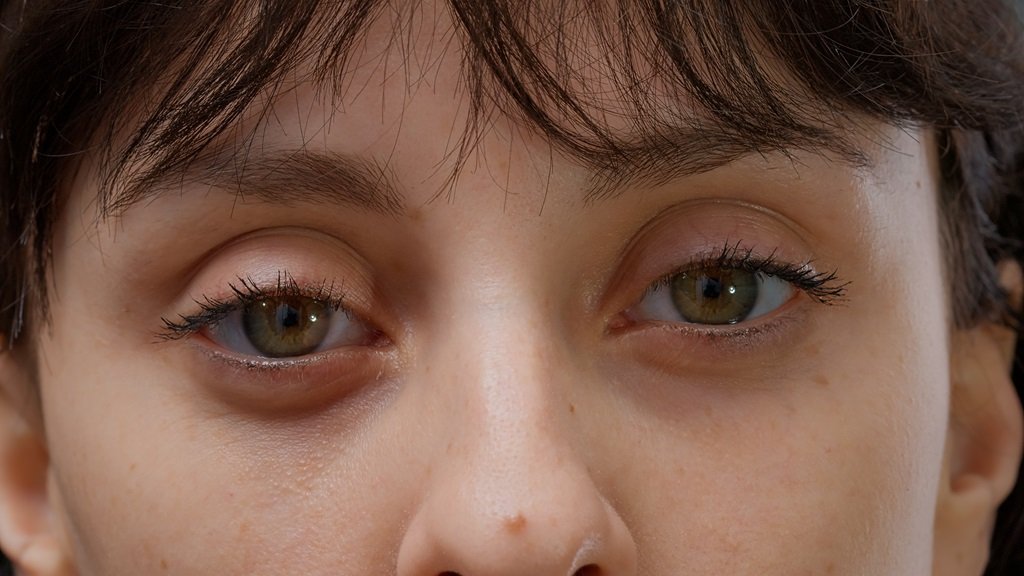
Macro shot authentic portrait of woman with natural skin, beautiful attractive person smiling in front of camera. Female model with positive facial expressions and fresh look. Close up.
The under-eye area plays an important role in the overall appearance of the face. Its shape, fullness, skin texture, and transition into the cheeks can influence whether someone looks refreshed or tired. Some people naturally develop prominent under-eye bags, while others notice changes in the lower eyelids as their skin and facial tissues change with age. When considering eyelid surgery, understanding these individual features is essential to planning an approach that respects the natural appearance of the face.
At Cornerstone Clinic in Dubai, planning for eyelid surgery involves considering the patient’s facial anatomy, aesthetic preferences, and the characteristics of the lower eyelid area. The objective is not simply to reduce visible fullness but to evaluate how the under-eye contours relate to surrounding facial features. A balanced approach considers the transition between the lower eyelids and cheeks, the distribution of soft tissue, and the amount of skin that may need attention.
For individuals researching Eyelid Bag Surgery Dubai, understanding how natural under-eye contours influence treatment planning can help clarify what happens during an initial consultation and why personalised assessment matters.
Understanding Natural Under-Eye Contours
Natural under-eye contours vary considerably from person to person. Some individuals have a smooth transition from the lower eyelid to the upper cheek, while others naturally have a deeper groove, visible fullness, or a more pronounced junction between these areas.
These differences may be influenced by genetics, facial bone structure, fat distribution, skin thickness, and the natural position of the eyelids. Age-related changes can also affect the appearance of the under-eye region as skin elasticity decreases and the tissues supporting the eyelid change over time.
During an assessment, the surgeon examines these characteristics to understand which features contribute most to the patient’s concerns. For example, visible under-eye bags may be associated with prominent fat compartments, while a hollow appearance may be related to reduced volume or the shape of the underlying facial structure.
Distinguishing between these features helps guide a treatment plan that takes the entire lower eyelid region into account rather than focusing on one visible concern in isolation.
Why Facial Balance Matters in Eyelid Bag Surgery
The lower eyelids do not exist independently of the rest of the face. Their appearance is closely connected to the cheeks, the outer corners of the eyes, and the overall facial proportions. Changes in one area can influence how another area appears.
For this reason, planning eyelid bag surgery involves evaluating the relationship between the lower eyelids and the surrounding tissues. The aim is to understand how the under-eye area contributes to the patient’s natural facial expression and whether the proposed changes would maintain a balanced appearance.
For instance, a person with prominent under-eye fullness and naturally full cheeks may require a different assessment from someone with both under-eye bags and a noticeable hollow beneath the eyes. Similarly, the shape of the eye socket and the position of the lower eyelid can influence which surgical approach is appropriate.
A careful evaluation helps the surgeon consider the patient’s overall facial structure, rather than treating under-eye bags as an isolated cosmetic feature.
How Under-Eye Fat Distribution Is Evaluated
Fat distribution is one of the main factors considered when planning lower eyelid surgery. The tissues beneath the eyes contribute to the natural contour of the eyelids, but changes in their position or prominence can create visible bulges.
During the consultation, the surgeon examines the location and extent of the fullness. The assessment may distinguish between prominent fat compartments, excess skin, and the natural shape of the lower eyelid. These factors can produce similar visible concerns but may require different treatment considerations.
In selected patients, lower eyelid surgery may involve repositioning or adjusting the fat responsible for prominent bags. In other cases, the assessment may indicate that the appearance of the under-eye region is influenced more by skin laxity or the transition between the eyelid and cheek.
The goal is to determine which anatomical features should be addressed while preserving an appropriate amount of natural volume. Removing too much tissue can change the appearance of the under-eye area, so the surgeon must consider the patient’s existing contours and the relationship between fullness and hollowness.
This individualised assessment is an important part of planning Eyelid Bag Surgery Dubai for patients seeking a refreshed appearance that remains consistent with their facial features.
Assessing Skin Quality and Lower Eyelid Laxity
Skin quality is another important consideration during the planning process. The lower eyelid has delicate skin, and its thickness, elasticity, and degree of laxity can affect the appearance of under-eye bags.
Some patients have relatively firm skin with noticeable fullness beneath the eyes. Others have loose skin that creates fine folds or contributes to an uneven contour. In some cases, both concerns are present.
The surgeon assesses how the skin behaves around the lower eyelid and whether excess skin is contributing significantly to the patient’s concerns. This helps determine whether a procedure involving skin adjustment may be appropriate or whether the treatment plan should focus on another anatomical feature.
The amount of skin that can be addressed must also be considered in relation to the position and support of the lower eyelid. The objective is to develop a plan that respects the natural shape of the eye and the surrounding tissues.
A personalised evaluation helps avoid assuming that every patient with under-eye bags requires the same type or extent of surgery.
Considering the Transition Between the Lower Eyelids and Cheeks
One of the most important elements of under-eye contour planning is the transition between the lower eyelid and the upper cheek. This area can influence whether the face appears smooth and balanced or whether there is a noticeable separation between the two regions.
In some individuals, under-eye bags create a raised area above a deeper groove. This difference in contour may make the eyes appear tired, even when the person feels well rested. In other patients, the natural shape of the cheek or the underlying bone structure contributes to the appearance of a hollow beneath the eyes.
During consultation, the surgeon evaluates the prominence of the under-eye tissues alongside the depth of the tear trough and the fullness of the upper cheek. This helps establish whether the main concern relates to excess fullness, a difference in volume, skin changes, or a combination of factors.
Where appropriate, the surgeon may discuss whether fat repositioning or another complementary approach could help create a more gradual transition. The suitability of any technique depends on the patient’s anatomy, clinical findings, and treatment goals.
Considering the eyelid-to-cheek transition helps keep the planning process focused on overall contour rather than simply reducing the size of a visible bag.
Evaluating Eye Shape and Lower Eyelid Position
The natural shape of the eyes is central to planning eyelid surgery. People have different eye shapes, eyelid angles, and degrees of lower eyelid support. These characteristics contribute to individual facial identity and should be considered before any surgical changes are proposed.
During an assessment, the surgeon examines the position of the lower eyelid in relation to the eye, including its contact with the eyeball and the shape of the outer corner. The existing symmetry of the eyes and the support provided by the surrounding tissues may also be evaluated.
These observations help determine which surgical approach may be suitable. A patient with good lower eyelid support and localised fat prominence may have different treatment considerations from someone whose lower eyelid position requires additional attention.
The assessment also helps establish realistic expectations about how surgery may affect the appearance of the eyes. The purpose is to address the patient’s concerns while taking the natural eyelid shape and facial expression into consideration.
The Importance of Individual Facial Anatomy
No two patients have exactly the same under-eye anatomy. Even when two people report similar concerns, the underlying reasons for their appearance may differ.
For example, one person may have hereditary under-eye bags that have been present for many years. Another may notice increasing fullness and skin laxity with age. A third person may be more concerned about the contrast between a naturally prominent lower eyelid and a hollow upper cheek.
These differences influence the consultation and the potential treatment plan. The surgeon considers the patient’s facial proportions, tissue characteristics, medical history, and desired changes before discussing an appropriate approach.
Previous eyelid procedures, if any, may also affect the assessment because they can influence the existing tissue structure and lower eyelid contour. The patient’s expectations are discussed alongside these anatomical findings.
An individualised plan recognises that the most suitable approach is not necessarily the one that removes the greatest amount of tissue. Instead, planning focuses on the features that contribute to the concern and the changes that may be appropriate for that particular face.
What Happens During an Eyelid Bag Surgery Consultation in Dubai?
An initial consultation provides an opportunity to examine the under-eye area, discuss concerns, and understand the patient’s expectations. It also allows the surgeon to explain the available options and determine whether surgery may be appropriate.
The consultation generally includes several important elements.
First, the surgeon discusses what the patient notices about the under-eye region, such as persistent puffiness, loose skin, uneven contours, or a tired appearance. Understanding the patient’s priorities helps guide the examination.
Next, the lower eyelids and surrounding facial features are assessed. This may include examining fat prominence, skin quality, eyelid position, facial symmetry, and the relationship between the eyelids and cheeks. Relevant medical history and previous procedures are also reviewed.
The surgeon then explains which anatomical features may be contributing to the patient’s concerns. Where appropriate, different surgical approaches may be discussed, including whether treatment should focus on fat repositioning, tissue adjustment, skin removal, or a combination of considerations.
Finally, the consultation addresses realistic expectations, the intended changes, and the practical aspects of treatment and recovery. Patients can ask questions about the proposed procedure and clarify any uncertainties before making a decision.
For anyone considering Eyelid Bag Surgery Cost in Dubai, the consultation is also a useful opportunity to understand how the proposed treatment plan relates to the overall cost.
Understanding Eyelid Bag Surgery Cost in Dubai
The cost of eyelid bag surgery can vary according to the patient’s individual needs and the details of the proposed procedure. There is no single treatment plan that is appropriate for every person, so the overall cost may differ depending on the work required.
Factors that may influence the price include the complexity of the procedure, the surgical technique selected, the extent of tissue adjustment, the surgeon’s professional fees, anaesthesia arrangements, and the facilities involved.
Some patients may require a procedure focused mainly on lower eyelid fat, while others may need an approach that also considers excess skin or the relationship between the eyelids and cheeks. These differences can affect the planning and resources involved.
When researching Eyelid Bag Surgery Cost in Dubai, patients should ask for a clear explanation of what the quoted price includes. It can be helpful to understand whether the estimate covers the consultation, surgical fees, anaesthesia, facility charges, and scheduled follow-up appointments.
A personalised consultation at Cornerstone Clinic can help clarify the recommended approach and provide more relevant information about the expected cost. Patients should evaluate the treatment plan according to their clinical needs and aesthetic goals rather than relying on price alone.
Setting Realistic Expectations for Natural-Looking Results
Natural-looking results depend on several factors, including the patient’s anatomy, the condition of the skin, the characteristics of the under-eye tissues, and the suitability of the selected surgical approach.
The consultation should establish which features may be improved and which aspects are part of the patient’s natural facial structure. For example, surgery may address prominent fat bulges, but it may not eliminate every shadow caused by the shape of the eye socket or cheekbone.
Similarly, natural differences between the two sides of the face may remain after treatment. Understanding these distinctions helps patients develop realistic expectations and make informed decisions.
The surgeon can explain the intended changes, the limitations of the proposed procedure, and how the final appearance may develop during recovery. A thoughtful planning process prioritises facial balance and individual suitability rather than promising an identical outcome for every patient.
Conclusion
Natural under-eye contours are a central consideration when planning eyelid bag surgery. The appearance of the lower eyelids is influenced by fat distribution, skin quality, eyelid position, facial bone structure, and the transition into the cheeks. Understanding how these features work together helps the surgeon develop an approach tailored to the individual patient.
For people exploring Eyelid Bag Surgery Dubai, an initial consultation provides an opportunity to discuss their concerns, examine the under-eye region, and understand which treatment options may be appropriate. Rather than focusing solely on reducing visible bags, careful planning considers how the proposed changes may complement the patient’s existing facial features.
At Cornerstone Clinic, patients can seek professional guidance about the assessment process, potential surgical approaches, and Eyelid Bag Surgery Cost in Dubai. An informed discussion helps establish realistic expectations and supports a treatment decision based on individual anatomy, personal preferences, and clinical suitability.
Frequently Asked Questions
1. Why are natural under-eye contours important when planning eyelid bag surgery?
Natural contours help determine whether under-eye fullness is caused by prominent fat, excess skin, a hollow beneath the eyes, or a combination of features. Assessing these factors helps guide a personalised treatment plan.
2. Does everyone with under-eye bags need the same surgical technique?
No. The appropriate technique depends on the patient’s anatomy, skin quality, fat distribution, lower eyelid position, and treatment goals. A consultation helps determine which approach may be suitable.
3. Can eyelid bag surgery improve the transition between the eyes and cheeks?
In selected patients, surgery may improve the contour between the lower eyelids and upper cheeks. The potential benefit depends on whether prominent fat, tissue positioning, or another anatomical feature is responsible for the uneven transition.
4. Is excess skin always removed during lower eyelid surgery?
No. Some patients have prominent under-eye fat without substantial excess skin. Others have skin laxity that may require consideration. The surgeon evaluates the lower eyelid to determine whether skin adjustment is appropriate.
5. How does facial symmetry affect eyelid bag surgery planning?
The surgeon examines the shape and position of both lower eyelids, along with the surrounding facial features. This assessment helps identify existing differences and establish realistic expectations for a balanced result.
6. What should I discuss during an eyelid bag surgery consultation in Dubai?
Patients should discuss their main concerns, medical history, previous eyelid procedures, desired changes, and expectations. They can also ask about suitable techniques, recovery, follow-up care, and the overall cost of treatment.
7. What factors affect eyelid bag surgery cost in Dubai?
The cost may depend on the complexity of the procedure, the surgical technique, the extent of tissue adjustment, professional fees, anaesthesia, and facility charges. A personalised consultation provides more relevant pricing information.
8. Can eyelid bag surgery remove every under-eye shadow?
Not necessarily. Shadows may be caused by prominent fat, skin changes, natural hollows, pigmentation, or the shape of the facial bones. Surgery may improve some structural causes, but other factors may remain.
9. How can I prepare for an eyelid bag surgery consultation?
Prepare a list of your concerns, relevant medical information, current medications, and details of previous eye or facial procedures. It is also useful to consider which changes matter most to you and prepare questions about treatment options.
10. How do I know whether eyelid bag surgery is suitable for me?
Suitability depends on your anatomy, skin condition, general health, expectations, and the cause of your under-eye concerns. A qualified surgeon can assess these factors and explain whether surgery or another approach may be more appropriate.