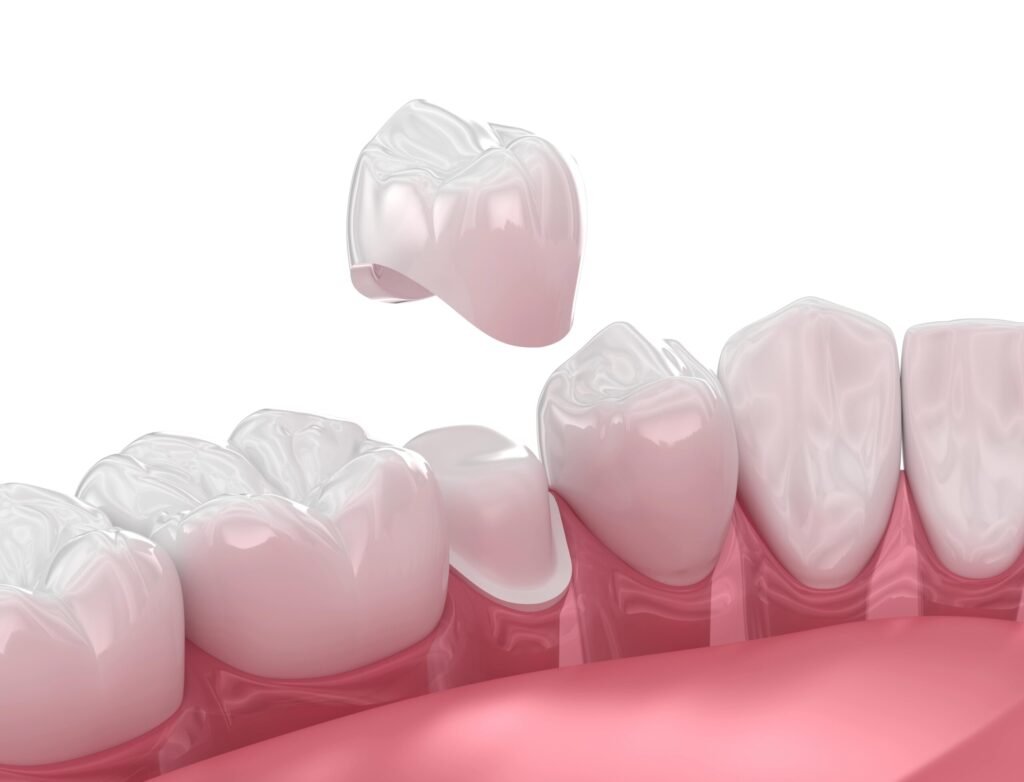
A dental crown is a customised restoration designed to cover a damaged, weakened, or heavily restored tooth. It helps restore the tooth’s shape, strength, appearance, and function while supporting comfortable chewing. However, choosing a crown involves more than selecting a colour that matches the surrounding teeth. The material must suit the tooth’s position, the patient’s bite, aesthetic preferences, oral health, and long-term dental needs.
For patients considering Dental Crown Dubai treatment, understanding the differences between available crown materials can make consultations more productive. Each material has its own characteristics, and the most suitable option depends on the clinical condition of the tooth and the outcome the patient hopes to achieve.
At Cornerstone Clinic, crown selection should be approached as an individualised decision, guided by a dental examination and a discussion of functional and cosmetic priorities. This article explains how dentists assess different factors when recommending crown materials and how patients can understand their options before proceeding with treatment.
Why Does Crown Material Matter?
Dental crowns are made from several materials, including porcelain, ceramic, zirconia, metal alloys, and porcelain-fused-to-metal combinations. Although these options can all be used to restore teeth, they differ in appearance, strength, translucency, and suitability for particular locations in the mouth.
For example, a crown placed on a front tooth may need to reproduce the natural appearance of enamel, including its shade and light-reflecting qualities. A crown on a back molar may require greater emphasis on managing chewing forces and maintaining a stable bite.
Material selection also influences how the restoration integrates with the surrounding teeth. The dentist considers the amount of natural tooth remaining, the available space for the crown, and the condition of the supporting gum tissue.
Rather than recommending one material for every patient, the dentist evaluates how these characteristics relate to the individual tooth and its daily function.
How Is the Condition of the Tooth Assessed?
The first step in choosing a crown material is examining the tooth that needs restoration. A dentist evaluates the extent of damage, the remaining tooth structure, and the reason a crown is being considered.
A tooth affected by extensive decay or a large existing filling may have less natural structure available to support a restoration. A tooth that has undergone root canal treatment may also require a crown, depending on its condition and the amount of remaining structure.
The dentist may assess the tooth visually, examine the surrounding tissues, check its response to appropriate tests, and use dental X-rays when clinically indicated. These findings help determine whether a crown is appropriate and what design requirements must be considered.
The amount of space available also matters. Some materials and crown designs require specific thicknesses to provide the intended strength and appearance. If the tooth has limited space, the dentist must consider whether the preferred material can be used while preserving as much healthy tooth structure as possible.
How Does Tooth Position Influence Material Selection?
The location of the tooth is one of the most important considerations when selecting a crown.
Front Teeth and Natural Appearance
Front teeth are highly visible when speaking and smiling. For these teeth, the dentist often gives particular attention to colour matching, translucency, surface texture, and the way the crown reflects light.
All-ceramic and porcelain-based crowns can offer an appearance similar to natural enamel. Certain ceramic materials are especially suitable when a lifelike result is a priority.
The final recommendation depends on the condition of the tooth, the required strength, and the patient’s expectations. The dentist also considers the colour of neighbouring teeth so the restoration blends naturally into the smile.
Premolars and Molars
Back teeth experience substantial chewing forces. Molars, in particular, may require a material that can withstand repeated loading during eating.
Zirconia and selected metal-based options may be considered for posterior crowns because of their strength. Some ceramic materials can also be suitable, depending on the individual clinical situation.
The dentist assesses the tooth’s position, the patient’s bite, and the amount of space available before making a recommendation. A material that performs well for a front tooth may not necessarily be the first choice for a heavily loaded molar.
What Are the Main Dental Crown Materials?
Understanding the main material options helps patients compare the features discussed during a dental consultation.
All-Ceramic and Porcelain Crowns
All-ceramic crowns are often selected when appearance is an important consideration. They can reproduce many of the visual characteristics of natural teeth, making them useful for visible areas of the mouth.
Different ceramic systems have different strengths and optical properties. Some are designed to provide high translucency, while others offer greater strength for teeth that experience more chewing pressure.
The dentist selects the specific ceramic according to the tooth’s location, the remaining structure, and the desired appearance. Shade matching and the shape of the final crown are also important for achieving a harmonious smile.
Zirconia Crowns
Zirconia is a ceramic material valued for its strength and versatility. It may be suitable for back teeth that need a durable restoration, and certain zirconia options can also be used for visible teeth.
Different zirconia formulations vary in translucency and strength. More translucent versions may offer aesthetic advantages, while other formulations may be selected when strength is the main consideration.
The dentist considers the bite, the available thickness, and the appearance required before choosing a particular zirconia crown. Careful adjustment and polishing are important to help the restoration function comfortably against opposing teeth.
Porcelain-Fused-to-Metal Crowns
Porcelain-fused-to-metal crowns combine a metal substructure with a porcelain outer layer. The metal provides structural support, while the porcelain is designed to create a tooth-coloured appearance.
These crowns may be considered when a combination of strength and aesthetics is appropriate. However, the underlying metal can affect light transmission, and the appearance of the gumline may change over time in some circumstances.
Whether this option is suitable depends on the tooth’s position, the patient’s cosmetic expectations, and the clinical requirements of the restoration.
Metal Alloy Crowns
Certain metal alloy crowns are valued for their durability and ability to withstand chewing forces. They may be considered for back teeth where appearance is less important than function.
Metal crowns can sometimes be designed with less thickness than certain other materials, depending on the alloy and clinical requirements. This may be relevant when preserving tooth structure is a priority.
However, their metallic appearance makes them less suitable for patients who want a tooth-coloured restoration in a visible area. The dentist also considers material compatibility and any relevant patient sensitivities when evaluating metal-based options.
How Does the Patient’s Bite Affect the Decision?
The way the upper and lower teeth meet is an important factor in crown planning. A crown must fit into the bite without creating excessive pressure or interfering with normal chewing movements.
Patients who clench or grind their teeth may place additional forces on dental restorations. During the examination, the dentist may look for signs of wear, assess the bite, and ask about habits that could affect the crown.
These findings can influence the choice of material and the design of the restoration. The dentist may also discuss whether a protective night guard is appropriate for someone who grinds their teeth during sleep.
A strong material alone does not guarantee a successful outcome. The crown must also have an appropriate shape, fit, and bite relationship to support comfortable function.
How Are Colour and Smile Aesthetics Evaluated?
For patients who prioritise the appearance of their smile, colour matching is an essential part of crown planning. Natural teeth are not uniformly white. They have subtle differences in shade, translucency, and surface texture.
The dentist evaluates the surrounding teeth and considers how the crown will look under different lighting conditions. The chosen material should support a natural-looking result rather than appear noticeably different from adjacent teeth.
The patient’s preferences also matter. Some people want the crown to blend discreetly into their existing smile, while others may be having several teeth restored as part of a broader cosmetic treatment plan.
Shade selection, crown shape, and the position of the gumline should be considered together. Clear communication during the consultation helps the dentist understand the desired outcome and explain what is realistically achievable.
How Do Oral Health and Gum Conditions Influence Crown Choice?
The health of the gums and supporting tissues contributes to crown planning. Before recommending a material, the dentist checks the surrounding gum tissue and considers whether existing dental problems need attention.
Inflamed gums, untreated decay, or other oral health concerns may need to be addressed before the final restoration is placed. The dentist also evaluates how the crown margin will relate to the gumline and how easily the area can be cleaned.
A well-designed crown should allow effective daily oral hygiene. Patients need to brush carefully around the restoration and clean between their teeth to help maintain healthy gums and protect the remaining natural tooth structure.
Material selection is therefore part of a broader treatment plan that includes tooth preparation, crown fit, gum health, and ongoing dental care.
What Should Patients Consider About Durability and Maintenance?
Different crown materials have different performance characteristics, but no crown lasts indefinitely. Its lifespan depends on several factors, including the material, the quality of the fit, oral hygiene, bite forces, and habits such as chewing hard objects.
Patients should ask their dentist how the recommended material is expected to perform in their particular situation. It is also useful to understand the importance of regular dental reviews and professional cleaning.
Daily brushing with fluoride toothpaste, cleaning between the teeth, and attending routine appointments help maintain the health of the crowned tooth and surrounding tissues. Patients should avoid using their teeth to open packaging or bite unusually hard objects.
If a crown feels loose, uncomfortable, or noticeably different when biting, a dental assessment can help identify the cause and determine whether an adjustment or further treatment is needed.
How Does Dental Crown Cost in Dubai Relate to Material Choice?
The cost of a crown can vary according to the material selected, the complexity of the case, laboratory requirements, and the treatment needed before the crown can be fitted.
For patients researching Dental Crown Cost in Dubai, it is helpful to ask what is included in the proposed treatment. The quoted fee may depend on whether examinations, diagnostic imaging, temporary restorations, tooth preparation, and follow-up appointments are included.
Different materials may have different costs, but price should not be the only deciding factor. A less expensive crown is not automatically the best value, and a more expensive material is not necessarily the most appropriate for every tooth.
Patients can ask the dentist to explain the advantages of the recommended option, any suitable alternatives, and how each choice relates to their clinical needs and budget. This makes it easier to compare treatment plans based on suitability rather than cost alone.
What Happens During a Dental Crown Consultation?
A dental crown consultation brings together the clinical findings and the patient’s preferences. The dentist examines the tooth, reviews relevant dental history, and determines whether a crown is the appropriate treatment.
Depending on the case, the appointment may involve dental X-rays, an assessment of the bite, and an evaluation of the surrounding gums. The dentist then explains the available materials and how each option relates to the tooth’s location, strength requirements, and appearance.
Patients should mention any previous dental treatment, sensitivity to particular materials, teeth grinding, or concerns about the final appearance. These details can help guide the recommendation.
Before proceeding, patients should understand the proposed treatment steps, expected appointments, maintenance requirements, and total cost. An informed discussion helps ensure that the selected crown is suited to both the tooth and the patient’s expectations.
Conclusion
Selecting a dental crown material requires a careful balance of strength, appearance, tooth position, bite function, oral health, and personal preferences. Ceramic and porcelain options may be appropriate when natural-looking aesthetics are important, while zirconia, metal alloys, and porcelain-fused-to-metal crowns may be considered according to the demands of the tooth and the clinical situation.
For anyone exploring Dental Crown Dubai treatment, a personalised dental examination is the best starting point. The right material is not necessarily the most expensive or the strongest option available; it is the one that meets the tooth’s functional requirements while supporting the desired appearance and long-term oral health.
By discussing the available materials, treatment requirements, and Dental Crown Cost in Dubai with a dentist at Cornerstone Clinic, patients can make a more informed decision about restoring their teeth and maintaining a comfortable, natural-looking smile.
Frequently Asked Questions
1. Which material is best for a dental crown?
There is no single best material for every patient. Ceramic, zirconia, porcelain-fused-to-metal, and metal alloy crowns each have different characteristics. The dentist recommends an option based on tooth position, bite forces, appearance, and the amount of remaining tooth structure.
2. Are ceramic crowns suitable for front teeth?
Ceramic crowns can be suitable for front teeth because many options provide natural-looking colour and translucency. The final choice depends on the tooth’s condition, the required strength, and the patient’s aesthetic expectations.
3. Are zirconia crowns suitable for back teeth?
Zirconia crowns are often considered for back teeth because of their strength. The dentist evaluates the bite, available space, and the specific zirconia formulation before deciding whether it is appropriate.
4. How long does a dental crown last?
A crown’s lifespan varies according to its material, fit, oral hygiene, bite forces, and maintenance. Regular dental check-ups and good daily cleaning habits help support the longevity of the restoration.
5. Does dental crown material affect the cost in Dubai?
Yes. Material choice can influence the overall cost, alongside laboratory work, treatment complexity, and any additional dental procedures. Patients should request a clear treatment plan and confirm what is included in the quoted fee.
6. Can I choose my own dental crown material?
Patients can express their preferences and discuss different options with their dentist. However, the final recommendation should consider the tooth’s clinical requirements, the available space, and the material’s suitability for the intended function.
7. How can I maintain my dental crown?
Brush twice daily with fluoride toothpaste, clean between your teeth, and attend regular dental check-ups. Avoid biting hard objects, and contact your dentist if the crown becomes loose or uncomfortable.
8. Is a dental examination necessary before selecting a crown?
Yes. An examination helps the dentist assess the tooth, surrounding gums, bite, and remaining tooth structure. This information is essential for recommending a suitable material and planning an appropriate restoration.