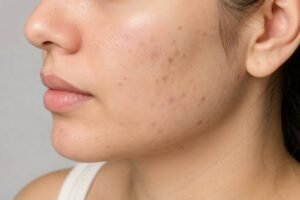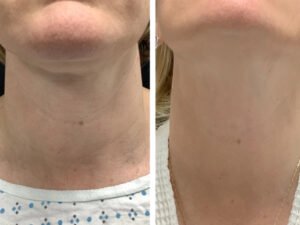
Daily skincare habits for healthy skin include gentle cleansing, moisturising, sunscreen and proper hydration.
Healthy, youthful-looking skin starts with simple choices you make every day. You do not need an expensive collection of beauty products or a complicated routine to care for your skin. Consistent cleansing, moisturising, sun protection, a balanced diet, and adequate sleep can help maintain your skin’s natural barrier and improve its overall appearance. Developing effective daily skincare habits is one of the most practical ways to support healthy skin as you age.
Your skin changes over time because of ageing, sun exposure, hormones, genetics, and environmental factors. You may notice fine lines, uneven skin tone, dryness, or changes in texture. Although no skincare routine can stop the natural ageing process, the right approach can help protect your skin, reduce preventable damage, and keep it feeling comfortable.
In this article, you will discover ten simple daily skincare habits that can fit into your lifestyle. You will also learn which common mistakes to avoid, how to choose suitable products, and when professional advice may be necessary.
1. Cleanse Your Skin Gently Every Day
Cleansing removes sweat, excess oil, dirt, sunscreen, and other impurities that accumulate on your skin. However, washing too frequently or using harsh cleansers can damage the skin barrier and cause dryness, irritation, and tightness.
Choose a gentle cleanser that suits your skin type. If you have dry or sensitive skin, look for a fragrance-free formula that does not leave your face feeling stripped. If your skin is oily, choose a mild cleanser that removes excess oil without causing irritation.
Wash your face in the morning and before bed. After exercising or sweating heavily, cleanse your skin when practical. Use lukewarm water rather than very hot water, and gently pat your face dry with a clean towel.
Avoid aggressive scrubbing, rough brushes, and cleansers that leave your skin uncomfortable. You do not need to wash repeatedly throughout the day to achieve clean skin.
One of the most useful daily skincare habits is to cleanse consistently without removing the natural oils that help protect your skin. Gentle cleansing creates a good foundation for the rest of your routine.
2. Apply Moisturiser to Maintain Hydration
Moisturising helps your skin retain water, supports its protective barrier, and reduces the appearance of dryness. Well-hydrated skin may look smoother and feel softer, making fine lines caused by dehydration less noticeable.
Choose a moisturiser according to your skin’s needs. Creams are often suitable for dry skin, while lighter lotions or gels may feel more comfortable on oily skin. If you have sensitive skin, consider products labelled fragrance-free and designed for sensitive skin.
Ingredients such as glycerin, hyaluronic acid, and ceramides can help attract or retain moisture and support the skin barrier. Apply moisturiser after cleansing while your skin is slightly damp to help maintain hydration.
Do not assume that oily skin never needs moisturiser. Dehydration and excess oil can occur together, so a lightweight, non-comedogenic moisturiser may be helpful.
If your skin becomes red, itchy, or uncomfortable after using a product, stop using it and assess whether the formula may be irritating your skin.
Making moisturising part of your daily skincare habits can help improve comfort, support a healthy skin barrier, and create a smoother surface for sunscreen and other skincare products.
3. Use Sunscreen Every Morning
Sun protection is one of the most important steps in preventing premature skin ageing. Ultraviolet (UV) radiation contributes to wrinkles, dark spots, uneven pigmentation, and other forms of skin damage. It can also increase your risk of skin cancer.
Apply a broad-spectrum sunscreen with SPF 30 or higher to exposed skin every morning. Broad-spectrum protection helps defend against both UVA and UVB rays. Use enough product to cover your face, ears, neck, and other exposed areas.
Reapply sunscreen approximately every two hours when outdoors, and sooner after swimming, sweating, or towel drying, according to the product instructions. Wear protective clothing, sunglasses, and a wide-brimmed hat when possible. Seek shade when the sun is strongest.
Do not skip sunscreen on cloudy days. UV radiation can still reach your skin through cloud cover. If you spend much of your day near windows, remember that some UVA rays can pass through glass.
Sunscreen is not only for people with fair skin. Every skin tone can experience UV damage, although the visible effects may differ.
Among all daily skincare habits, regular sun protection offers particularly strong benefits because it helps prevent damage before it develops. Consistency matters more than buying an expensive formula.
4. Eat a Balanced Diet Rich in Skin-Supporting Nutrients
Your skin needs nutrients to maintain its normal structure, repair everyday damage, and perform its protective functions. A balanced diet provides vitamins, minerals, protein, healthy fats, and antioxidants that support overall health.
Include a variety of colourful vegetables and fruits, such as carrots, spinach, berries, oranges, and peppers. These foods supply nutrients, including vitamin C and carotenoids, that contribute to normal skin function. Foods such as eggs, beans, fish, lentils, nuts, and seeds can provide protein and other essential nutrients.
Healthy fats from sources such as olive oil, nuts, seeds, and oily fish can also form part of a balanced eating pattern. Vitamin C supports collagen formation, while adequate protein provides amino acids the body uses to maintain and repair tissues.
You do not need to follow a restrictive diet or purchase expensive supplements to improve your skin. Supplements are generally most useful when there is a nutritional deficiency or a specific medical indication.
Remember that no single food can remove wrinkles, cure a skin condition, or guarantee a youthful appearance. A varied diet works alongside sun protection, sleep, and a suitable skincare routine.
Healthy eating is one of the most sustainable daily skincare habits because it supports your whole body rather than focusing only on the surface of your skin.
5. Drink Enough Water Throughout the Day
Hydration is important for your overall health and helps your body maintain normal functions. If you become dehydrated, your skin may look less plump, and you may experience dryness or discomfort.
Drink water regularly throughout the day, adjusting your intake according to your activity level, climate, and individual needs. Hot weather and physical activity can increase your fluid requirements. Water-rich foods, including cucumbers, melons, oranges, and soups, also contribute to fluid intake.
However, drinking excessive amounts of water will not automatically eliminate wrinkles or transform your complexion. Skin hydration also depends on the condition of your skin barrier, your environment, and the products you apply.
If your skin feels dry despite drinking enough water, consider using a gentle moisturiser and avoiding long, hot showers. A humidifier may also help in very dry indoor environments.
Pay attention to signs of dehydration, such as unusual thirst, a dry mouth, or dark urine. If you have a medical condition that requires fluid restriction, follow your healthcare professional’s advice rather than increasing water intake independently.
Good hydration habits complement moisturising and sun protection. Together, these practical measures can help you maintain skin comfort without relying on unrealistic beauty claims.
6. Get Enough Quality Sleep
Sleep allows your body to carry out important maintenance processes. Poor sleep can affect how you feel and may contribute to a tired appearance, including temporary puffiness, dark circles, and a dull-looking complexion.
Most adults need around seven to nine hours of sleep each night, although individual requirements vary. Establish a regular bedtime, keep your bedroom comfortable, and reduce screen use before sleeping if it interferes with your rest.
Removing makeup and sunscreen before bed is also important. Sleeping with makeup on can contribute to clogged pores or irritation, particularly if you have acne-prone or sensitive skin.
You can keep your evening skincare routine simple: cleanse gently, apply moisturiser, and use any prescribed treatments as directed. You do not need a long routine to care for your skin effectively.
Try to maintain consistent sleep and wake times, even on weekends. Limiting caffeine late in the day and creating a relaxing bedtime routine may help improve sleep quality.
Although sleep cannot reverse established wrinkles, adequate rest supports general wellbeing and can help your face look more refreshed.
Building sufficient sleep into your daily skincare habits is a practical way to support both your appearance and your overall health.
7. Avoid Smoking and Limit Alcohol
Smoking damages the body and exposes the skin to substances that can impair its normal function. It is associated with premature wrinkles, changes in skin texture, and reduced skin health. Quitting smoking is beneficial at any age and can improve your overall wellbeing.
Alcohol can contribute to dehydration and may disrupt sleep. Some people also notice facial flushing or worsening of certain skin conditions after drinking. The effects vary between individuals, but reducing or avoiding alcohol can support healthier lifestyle choices.
If you smoke, consider speaking with a healthcare professional about effective quitting strategies. Support programmes and appropriate treatments can make quitting easier.
You should also avoid comparing your skin with heavily filtered photographs or unrealistic beauty images online. Skin naturally has pores, lines, pigmentation differences, and texture. These features do not necessarily indicate poor skin health.
Healthy ageing is not about achieving permanently flawless skin. It is about protecting your skin, responding to its needs, and making choices that support your wellbeing over time.
These lifestyle changes work best when combined with other daily skincare habits, including gentle cleansing, moisturising, sun protection, and adequate rest.
10 Daily Skincare Habits for Healthier, Younger-Looking Skin
Healthy, youthful-looking skin starts with simple choices you make every day. You do not need an expensive collection of beauty products or a complicated routine to care for your skin. Consistent cleansing, moisturising, sun protection, a balanced diet, and adequate sleep can help maintain your skin’s natural barrier and improve its overall appearance. Developing effective daily skincare habits is one of the most practical ways to support healthy skin as you age.
Your skin changes over time because of ageing, sun exposure, hormones, genetics, and environmental factors. You may notice fine lines, uneven skin tone, dryness, or changes in texture. Although no skincare routine can stop the natural ageing process, the right approach can help protect your skin, reduce preventable damage, and keep it feeling comfortable.
In this article, you will discover ten simple daily skincare habits that can fit into your lifestyle. You will also learn which common mistakes to avoid, how to choose suitable products, and when professional advice may be necessary.
1. Cleanse Your Skin Gently Every Day
Cleansing removes sweat, excess oil, dirt, sunscreen, and other impurities that accumulate on your skin. However, washing too frequently or using harsh cleansers can damage the skin barrier and cause dryness, irritation, and tightness.
Choose a gentle cleanser that suits your skin type. If you have dry or sensitive skin, look for a fragrance-free formula that does not leave your face feeling stripped. If your skin is oily, choose a mild cleanser that removes excess oil without causing irritation.
Wash your face in the morning and before bed. After exercising or sweating heavily, cleanse your skin when practical. Use lukewarm water rather than very hot water, and gently pat your face dry with a clean towel.
Avoid aggressive scrubbing, rough brushes, and cleansers that leave your skin uncomfortable. You do not need to wash repeatedly throughout the day to achieve clean skin.
One of the most useful daily skincare habits is to cleanse consistently without removing the natural oils that help protect your skin. Gentle cleansing creates a good foundation for the rest of your routine.
2. Apply Moisturiser to Maintain Hydration
Moisturising helps your skin retain water, supports its protective barrier, and reduces the appearance of dryness. Well-hydrated skin may look smoother and feel softer, making fine lines caused by dehydration less noticeable.
Choose a moisturiser according to your skin’s needs. Creams are often suitable for dry skin, while lighter lotions or gels may feel more comfortable on oily skin. If you have sensitive skin, consider products labelled fragrance-free and designed for sensitive skin.
Ingredients such as glycerin, hyaluronic acid, and ceramides can help attract or retain moisture and support the skin barrier. Apply moisturiser after cleansing while your skin is slightly damp to help maintain hydration.
Do not assume that oily skin never needs moisturiser. Dehydration and excess oil can occur together, so a lightweight, non-comedogenic moisturiser may be helpful.
If your skin becomes red, itchy, or uncomfortable after using a product, stop using it and assess whether the formula may be irritating your skin.
Making moisturising part of your daily skincare habits can help improve comfort, support a healthy skin barrier, and create a smoother surface for sunscreen and other skincare products.
3. Use Sunscreen Every Morning
Sun protection is one of the most important steps in preventing premature skin ageing. Ultraviolet (UV) radiation contributes to wrinkles, dark spots, uneven pigmentation, and other forms of skin damage. It can also increase your risk of skin cancer.
Apply a broad-spectrum sunscreen with SPF 30 or higher to exposed skin every morning. Broad-spectrum protection helps defend against both UVA and UVB rays. Use enough product to cover your face, ears, neck, and other exposed areas.
Reapply sunscreen approximately every two hours when outdoors, and sooner after swimming, sweating, or towel drying, according to the product instructions. Wear protective clothing, sunglasses, and a wide-brimmed hat when possible. Seek shade when the sun is strongest.
Do not skip sunscreen on cloudy days. UV radiation can still reach your skin through cloud cover. If you spend much of your day near windows, remember that some UVA rays can pass through glass.
Sunscreen is not only for people with fair skin. Every skin tone can experience UV damage, although the visible effects may differ.
Among all daily skincare habits, regular sun protection offers particularly strong benefits because it helps prevent damage before it develops. Consistency matters more than buying an expensive formula.
4. Eat a Balanced Diet Rich in Skin-Supporting Nutrients
Your skin needs nutrients to maintain its normal structure, repair everyday damage, and perform its protective functions. A balanced diet provides vitamins, minerals, protein, healthy fats, and antioxidants that support overall health.
Include a variety of colourful vegetables and fruits, such as carrots, spinach, berries, oranges, and peppers. These foods supply nutrients, including vitamin C and carotenoids, that contribute to normal skin function. Foods such as eggs, beans, fish, lentils, nuts, and seeds can provide protein and other essential nutrients.
Healthy fats from sources such as olive oil, nuts, seeds, and oily fish can also form part of a balanced eating pattern. Vitamin C supports collagen formation, while adequate protein provides amino acids the body uses to maintain and repair tissues.
You do not need to follow a restrictive diet or purchase expensive supplements to improve your skin. Supplements are generally most useful when there is a nutritional deficiency or a specific medical indication.
Remember that no single food can remove wrinkles, cure a skin condition, or guarantee a youthful appearance. A varied diet works alongside sun protection, sleep, and a suitable skincare routine.
Healthy eating is one of the most sustainable daily skincare habits because it supports your whole body rather than focusing only on the surface of your skin.
5. Drink Enough Water Throughout the Day
Hydration is important for your overall health and helps your body maintain normal functions. If you become dehydrated, your skin may look less plump, and you may experience dryness or discomfort.
Drink water regularly throughout the day, adjusting your intake according to your activity level, climate, and individual needs. Hot weather and physical activity can increase your fluid requirements. Water-rich foods, including cucumbers, melons, oranges, and soups, also contribute to fluid intake.
However, drinking excessive amounts of water will not automatically eliminate wrinkles or transform your complexion. Skin hydration also depends on the condition of your skin barrier, your environment, and the products you apply.
If your skin feels dry despite drinking enough water, consider using a gentle moisturiser and avoiding long, hot showers. A humidifier may also help in very dry indoor environments.
Pay attention to signs of dehydration, such as unusual thirst, a dry mouth, or dark urine. If you have a medical condition that requires fluid restriction, follow your healthcare professional’s advice rather than increasing water intake independently.
Good hydration habits complement moisturising and sun protection. Together, these practical measures can help you maintain skin comfort without relying on unrealistic beauty claims.
6. Get Enough Quality Sleep
Sleep allows your body to carry out important maintenance processes. Poor sleep can affect how you feel and may contribute to a tired appearance, including temporary puffiness, dark circles, and a dull-looking complexion.
Most adults need around seven to nine hours of sleep each night, although individual requirements vary. Establish a regular bedtime, keep your bedroom comfortable, and reduce screen use before sleeping if it interferes with your rest.
Removing makeup and sunscreen before bed is also important. Sleeping with makeup on can contribute to clogged pores or irritation, particularly if you have acne-prone or sensitive skin.
You can keep your evening skincare routine simple: cleanse gently, apply moisturiser, and use any prescribed treatments as directed. You do not need a long routine to care for your skin effectively.
Try to maintain consistent sleep and wake times, even on weekends. Limiting caffeine late in the day and creating a relaxing bedtime routine may help improve sleep quality.
Although sleep cannot reverse established wrinkles, adequate rest supports general wellbeing and can help your face look more refreshed.
Building sufficient sleep into your daily skincare habits is a practical way to support both your appearance and your overall health.
7. Avoid Smoking and Limit Alcohol
Smoking damages the body and exposes the skin to substances that can impair its normal function. It is associated with premature wrinkles, changes in skin texture, and reduced skin health. Quitting smoking is beneficial at any age and can improve your overall wellbeing.
Alcohol can contribute to dehydration and may disrupt sleep. Some people also notice facial flushing or worsening of certain skin conditions after drinking. The effects vary between individuals, but reducing or avoiding alcohol can support healthier lifestyle choices.
If you smoke, consider speaking with a healthcare professional about effective quitting strategies. Support programmes and appropriate treatments can make quitting easier.
You should also avoid comparing your skin with heavily filtered photographs or unrealistic beauty images online. Skin naturally has pores, lines, pigmentation differences, and texture. These features do not necessarily indicate poor skin health.
Healthy ageing is not about achieving permanently flawless skin. It is about protecting your skin, responding to its needs, and making choices that support your wellbeing over time.
These lifestyle changes work best when combined with other daily skincare habits, including gentle cleansing, moisturising, sun protection, and adequate rest.
8. Avoid Harsh Scrubs and Overusing Skincare Products
Exfoliation can help remove dead skin cells from the surface and improve the appearance of rough texture. However, excessive exfoliation can weaken the skin barrier, causing redness, burning, sensitivity, and dryness.
Avoid scrubbing your face aggressively with rough cloths, abrasive scrubs, or homemade mixtures containing irritating ingredients. Lemon juice, baking soda, and undiluted essential oils can irritate your skin and may cause harm. Natural ingredients are not automatically safe for topical use.
If you want to exfoliate, consider a suitable product containing ingredients such as lactic acid or salicylic acid, depending on your skin type and concerns. Introduce one product at a time, start slowly, and follow its instructions. People with sensitive skin or an existing skin condition should seek professional guidance before trying exfoliating treatments.
Using several active ingredients at once can also make it difficult to identify the cause of irritation. For example, combining multiple exfoliating acids with retinoids may be too harsh for some people.
Keep your routine simple until you know how your skin responds. Patch-test new products according to their instructions, particularly if you have a history of sensitivity.
Effective daily skincare habits focus on consistency rather than using the greatest number of products. A gentle routine that you can maintain is usually more practical than a complicated routine that leaves your skin irritated.
9. Manage Stress and Make Time for Relaxation
Stress affects people differently, but ongoing stress can influence sleep, daily routines, and certain skin conditions. Some people notice that their acne, eczema, or other inflammatory skin problems become worse during stressful periods.
Although stress is not the sole cause of most skin conditions, managing it may help you maintain healthier habits and feel more comfortable in your skin.
Choose simple activities that fit your lifestyle. You might take a walk, practise slow breathing, spend time outdoors, read a book, or speak with someone you trust. Even a short period of relaxation can help you step away from daily pressures.
Regular physical activity may also support general health and improve sleep. After exercising, wash away sweat when practical and change out of damp clothing to reduce irritation.
If you experience persistent skin symptoms during stressful periods, avoid assuming that stress is the only explanation. Skin conditions can have several causes, and some require specific treatment.
For example, seborrhoeic keratoses are common, usually benign skin growths that become more frequent with age. They are not simply caused by stress or poor skincare. If a growth changes rapidly, bleeds, becomes painful, or looks unusual, ask a healthcare professional to examine it.
Natural remedies for seborrheic keratosis are sometimes promoted online, but there is limited evidence that home remedies can safely remove these growths. Avoid applying acids, essential oils, or other irritating substances in an attempt to burn them off. A dermatologist can assess suspicious growths and discuss appropriate removal options when necessary.
Managing stress is a useful addition to your daily skincare habits, but it should complement rather than replace appropriate medical care.
10. Follow a Consistent Routine and Monitor Skin Changes
The best skincare routine is one that suits your skin, fits your budget, and is easy to maintain. Frequently changing products makes it difficult to identify what works, while introducing several active ingredients together can increase the risk of irritation.
Start with three essentials:
- A gentle cleanser.
- A moisturiser suited to your skin type.
- A broad-spectrum sunscreen with SPF 30 or higher.
Once your skin tolerates these products, you can consider adding targeted treatments for specific concerns, such as uneven pigmentation or fine lines. Introduce one new product at a time and allow sufficient time to assess its effects. Many skincare products need several weeks of consistent use before visible results appear.
Pay attention to changes in your skin rather than judging progress by perfection. Notice whether dryness improves, irritation decreases, or your skin feels more comfortable. Take occasional photographs in similar lighting if you want to compare changes over time.
It is also important to distinguish cosmetic concerns from medical conditions. New or changing growths, persistent rashes, non-healing sores, unexplained bleeding, and unusual pigmentation deserve professional assessment.
If you are considering herbal products, read the ingredient list and follow the manufacturer’s instructions. The term natural does not guarantee safety or effectiveness, and herbal products can cause allergic reactions or interact with medicines.
Herbal Care Products may be a useful topic to explore when researching skin-related products, but do not assume that a product can cure a condition without reliable evidence. Discuss treatments with a qualified healthcare professional, especially if you have sensitive skin, take medicines, or have an existing skin condition.
Maintaining consistent daily skincare habits will not prevent every skin problem, but it can help you build a routine that supports your skin’s health over time.
Common Skincare Mistakes to Avoid
Even with good intentions, certain mistakes can undermine your routine. Avoid the following:
Skipping sunscreen: Sun exposure can contribute to premature ageing even when you do not develop an immediate sunburn.
Washing with very hot water: Hot water can remove skin oils and increase dryness or irritation.
Popping spots or picking growths: Picking can cause inflammation, infection, scarring, or bleeding.
Expecting instant results: Most skincare changes take time, and some concerns require professional treatment.
Copying someone else’s routine: A product that works for one person may irritate another person’s skin.
Trusting unsupported treatment claims: Be cautious of products that promise to erase wrinkles, remove all skin growths, or cure skin conditions overnight.
Ignoring persistent symptoms: If a skincare product causes ongoing discomfort or a skin problem does not improve, seek professional advice instead of repeatedly trying new products.
A thoughtful routine should protect your skin rather than punish it for having normal texture, pores, lines, or occasional blemishes.
Frequently Asked Questions
How long does it take to see results from daily skincare habits?
You may notice improvements in skin comfort and hydration within days of starting a suitable routine. Changes in uneven pigmentation, fine lines, or acne can take several weeks or longer. Results depend on the product, your skin type, and the concern being treated.
What is the most important skincare habit for younger-looking skin?
Daily sun protection is among the most important habits for reducing preventable premature skin ageing. Gentle cleansing and moisturising are also essential for maintaining a comfortable, healthy skin barrier.
Can natural remedies make skin look younger?
Some ingredients used in skincare can help moisturise the skin, but evidence varies considerably between products. Natural ingredients may also cause irritation or allergic reactions. Choose products with appropriate safety information and realistic claims rather than relying on unproven remedies.
Should I follow the same routine in the morning and evening?
Not necessarily. A morning routine should generally include moisturiser when needed and sunscreen. An evening routine usually focuses on removing sunscreen, makeup, sweat, and dirt before applying moisturiser or any prescribed treatment.
Can skincare remove seborrhoeic keratosis?
Ordinary cleansers, moisturisers, and anti-ageing products do not reliably remove seborrhoeic keratoses. A healthcare professional can confirm the diagnosis and explain whether removal is appropriate. Avoid trying to burn, cut, or scrape off a growth at home.
Conclusion
Healthier, younger-looking skin does not require a complicated beauty routine. The most effective approach is to focus on the basics: cleanse gently, moisturise regularly, apply sunscreen, eat a balanced diet, stay hydrated, sleep well, avoid smoking, exfoliate carefully, manage stress, and monitor changes in your skin.
These ten daily skincare habits work together to support your skin’s natural protective barrier and help reduce avoidable damage. Remember that ageing is a normal process, and healthy skin does not need to be completely free of wrinkles, pores, or pigmentation.
Choose products that suit your skin, introduce new ingredients gradually, and seek professional advice if you notice unusual or persistent changes. With consistency and realistic expectations, you can build a sustainable skincare routine that supports your skin’s health at every age.
Medical Disclaimer
This article is intended for general educational purposes only and does not replace professional medical advice, diagnosis, or treatment. Skincare needs vary between individuals, and natural or herbal products may cause irritation, allergic reactions, or other adverse effects. Do not use home remedies to burn, cut, or remove skin growths. Consult a qualified healthcare professional or dermatologist about unusual skin changes, persistent symptoms, or concerns about treatment. Always seek professional guidance before using a product to treat a diagnosed skin condition.