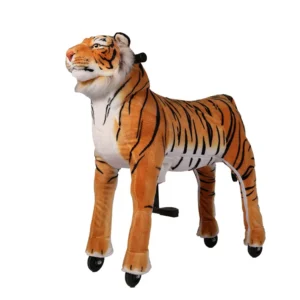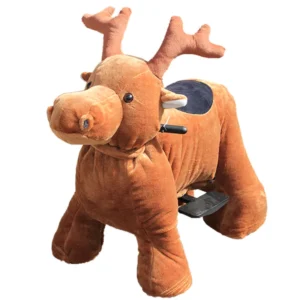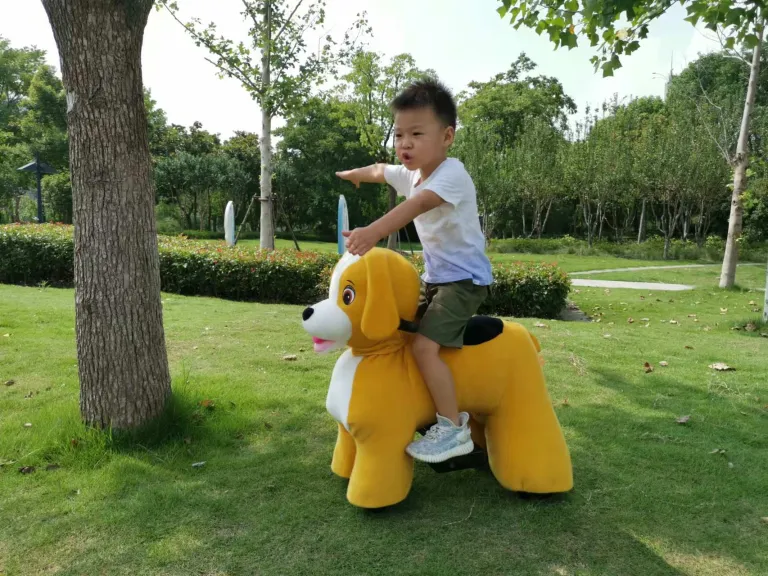
Price is the easiest number to compare and the easiest to misuse. A cheaper ride looks like a bargain until it breaks down in the second month, while a pricier one may seem wasteful until it quietly earns money for years. Evaluating children’s ride equipment properly means weighing cost against performance, durability, safety, and the effort required to maintain it. The plush rides from Lulu Toy Car give a useful example because the product page publishes enough technical data to examine. Here is a practical way to judge value when considering an electric animal scooter, based on what is stated publicly and on the questions buyers should still ask the supplier.
What the Published Specifications Tell You
The product information lists a six-volt, four-amp-hour lead-acid battery, a six-volt motor in the twenty-five-watt class, PU wheels, plush covers with PP cotton filling, a speed of about two kilometers per hour, and a maximum load of fifty kilograms. Running time is about two hours per charge, and charging takes eight to ten hours. These specifications describe a modest, gentle machine. That is appropriate for young children, but it also means performance has clear limits. Buyers should not expect fast, rugged vehicles. The right comparison is with other low-speed plush rides, not with larger recreation equipment designed for very different uses.
Where Cost Hides
The purchase price is only part of the story. Batteries wear out and must be replaced. Covers get dirty or torn. Wheels wear down. Staff time is needed for charging, cleaning, and supervision. Shipping and import taxes can add significant cost. Because charging takes eight to ten hours for about two hours of running, operators may need extra units or spare batteries to keep a play area busy all day. These factors can change the apparent value of two offers dramatically. Asking for a full cost estimate that includes freight, spare parts, and expected maintenance gives a more honest picture than comparing unit prices alone.
Performance in Daily Operation
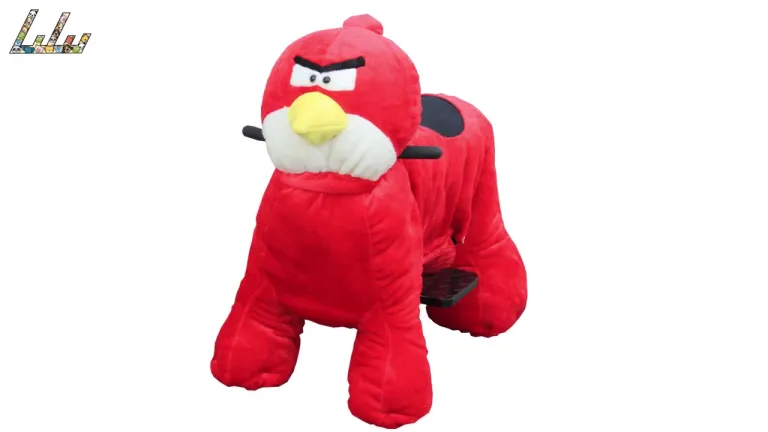
Performance means more than technical numbers. It includes how smoothly the ride moves, how stable it feels, how easily it starts and stops, and how children respond to it. A ride that children love will be used often and will earn more. Plush designs with friendly faces, such as a panda or unicorn, tend to attract attention. Detachable, washable jackets help keep the equipment appealing despite constant handling. Reliability also counts: a ride that stays in service during busy weekends is worth more than one that occasionally fails. Samples and operator feedback are the best ways to judge these qualities before committing to large quantities.
Safety and Documentation as Value
Safety documentation adds value even when it is invisible. The company’s main website mentions ISO9001, CE, and EN71, which relate to quality management and toy safety frameworks. Buyers should request documents applicable to their exact model and check local regulations. A cheaper product without proper documentation can create serious problems with venue approval, insurance, or customs. In a public place, an accident or complaint can cost far more than any savings on the purchase. Treat safety and compliance as part of the price, not as optional extras, and ask suppliers to explain clearly what documentation they can provide.
Making a Balanced Decision
Decide what matters most for your venue. A busy mall may value durability and easy cleaning above all, while a small party business may care more about variety and portability. Compare suppliers on equal terms, including specifications, samples, documentation, and after-sales support. Estimate how many rides you need to rotate batteries, and calculate expected income per ride. Negotiate quantities and delivery terms carefully. A supplier with about twenty years of experience can often advise on realistic expectations. The best choice is rarely the cheapest or the most expensive. It is the one whose cost, performance, and support fit your actual operation.