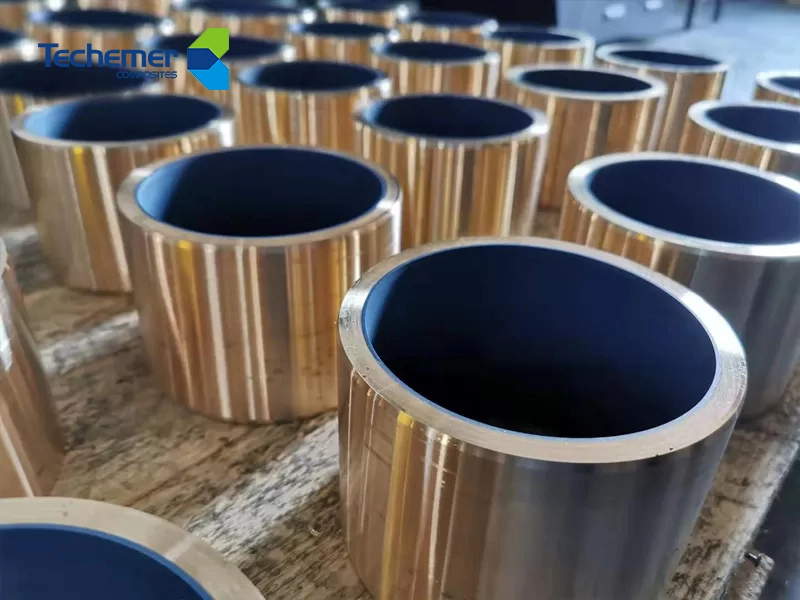
When utilities buy bearings, the quote on the page is only the beginning of the cost story. A bearing that is cheap to buy but wears quickly, needs constant attention, or causes forced outages can end up being the most expensive choice in the plant. Lifecycle thinking looks at the whole picture, including installation, maintenance, downtime, environmental risk, and expected service life. Looking at Techemer’s wear-resistant hydro turbine bearings through this lens helps utility-scale operators make decisions that protect both their budgets and their generation schedules over many years.
Why the Purchase Price Misleads
The purchase price of a bearing is usually small compared with the value of the electricity a turbine produces. A single day of lost generation in a large plant can exceed the cost of the bearing several times over. When a bearing fails early, the plant pays for emergency labor, expedited parts, and lost output. Even without failure, high wear rates can force frequent inspections and replacements. Experienced buyers therefore focus on service life and reliability, not just price. A slightly higher upfront cost is often an excellent trade if it buys years of dependable, low-maintenance operation.
The Cost of Downtime and Maintenance
In utility-scale plants, availability is money. Planned outages are scheduled and managed, while forced outages disrupt contracts and income. Predictable bearing wear helps plants avoid the second kind. Techemer’s polymer bearings are designed to wear steadily, allowing operators to measure clearances and plan replacement during scheduled shutdowns. Maintenance labor also counts, since complex oil systems require regular checks and servicing. When evaluating hydro turbine bearings, plant managers should estimate how many hours of labor and downtime each option is likely to require over the life of the unit.
Savings From Simplified Systems
Oil-lubricated bearings come with pumps, coolers, filters, piping, and monitoring equipment. Each component has purchase, installation, and maintenance costs, as well as failure risk. Water-lubricated bearings can eliminate or reduce many of these systems, which lowers both capital and operating expense. Fewer parts also mean fewer spare items to stock and fewer procedures to train staff on. While every plant is different, the simplification can be significant. These savings may not appear in the bearing quote, but they are real, and a good lifecycle analysis should include them alongside the price of the bearing itself.
Wear Resistance and Real Service Life
Wear resistance determines how long a bearing keeps its clearances within acceptable limits. Techemer formulates its materials to resist abrasion and handle shock, supporting long service intervals in sediment-laden water. Actual life depends on water quality, alignment, operating pattern, and maintenance, so buyers should ask for data from comparable installations. Honest suppliers will explain both strengths and limits. When evidence supports long service life, the cost per year of operation falls, and the bearing becomes economical even at a higher initial price. Reliable data allows utilities to turn general claims into numbers they can use in planning.
Building a Simple Lifecycle Comparison
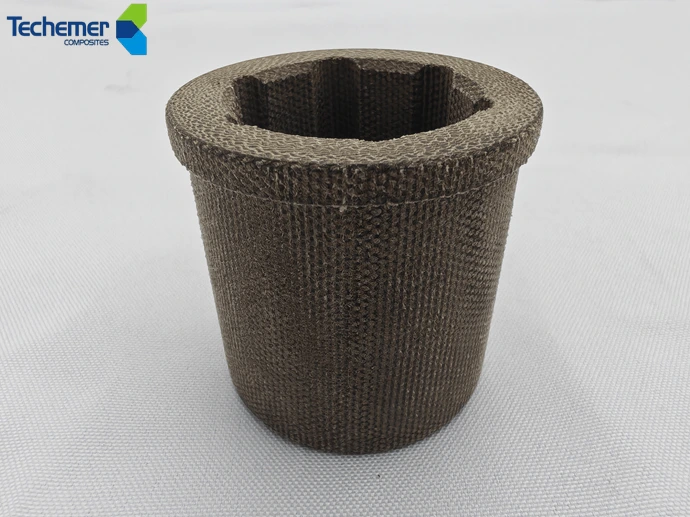
A practical comparison does not require complicated software. List the purchase price, installation cost, expected service life, inspection frequency, spare parts, and the cost of downtime for each option. Add environmental compliance costs where relevant. Divide the total by expected years of service to find an annual cost. Techemer can provide technical information to help with these estimates. Even a rough calculation often reveals that the cheapest quote is not the best value. It also encourages constructive conversations between buyer and supplier about performance and outcomes, instead of focusing on price alone and overlooking the factors that truly determine long-term cost.
Making Confident Decisions
Utility-scale plants are long-term investments, and component decisions should reflect that horizon. Choosing bearings with strong wear resistance, predictable behavior, and simple support systems helps protect availability and reduce operating risk. Techemer’s approach aligns with this thinking, offering technology intended to deliver value across the life of the plant. The right decision will always depend on the specific machine and conditions, so careful evaluation and supplier dialogue remain essential. By focusing on lifecycle value rather than the lowest bid, utilities can select bearings that support steady generation and healthy finances for decades.