Chemical Waste Funnel Systems: Safe and Efficient Chemical Disposal Solutions
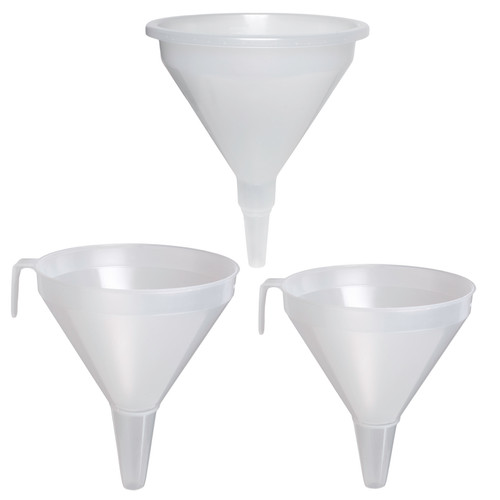
chemical disposal funnel
A chemical waste funnel system plays a critical role in laboratories, research facilities, and industrial environments where safe handling and disposal of hazardous liquids is essential. These funnels are specifically designed to support controlled transfer of chemical waste into storage containers, reducing the risk of spills, exposure, and environmental contamination. With increasing emphasis on laboratory safety and environmental compliance, chemical disposal funnels have become an essential part of modern waste management systems.
What is a Chemical Disposal Funnel?
A chemical disposal funnel is a specialized laboratory tool used to safely transfer hazardous or non-hazardous liquid waste into designated waste containers. Unlike standard funnels, these are designed with chemical-resistant materials to handle corrosive acids, solvents, and reactive substances.
These funnels help ensure that waste is collected in a controlled manner, minimizing splashes, evaporation, and accidental exposure. They are commonly used in chemical labs, pharmaceutical facilities, educational institutions, and industrial plants.
Key Features of Chemical Waste Funnels
Chemical waste funnels are engineered for safety, durability, and chemical resistance. Their key features include:
They are typically made from materials such as polypropylene, PTFE, or other chemically resistant plastics that can withstand harsh substances. Many designs include wide openings for easy pouring, along with tapered stems that fit securely into waste bottles or containers. Some advanced models also include splash guards or lids to reduce vapor release and prevent contamination. Their reusable and autoclavable properties make them suitable for long-term laboratory use.
Importance of Chemical Disposal Funnels in Laboratories
Proper waste disposal is a fundamental requirement in any laboratory setting. Chemical disposal funnels help maintain safety standards by ensuring that hazardous liquids are transferred without spillage or direct exposure.
They significantly reduce the risk of chemical burns, inhalation of fumes, and environmental contamination. By providing a controlled pathway for waste transfer, these funnels help laboratories comply with safety regulations and environmental protection guidelines. They also improve workflow efficiency by making waste handling faster and more organized.
Applications of Chemical Waste Funnel Systems
Chemical waste funnels are widely used across various industries and scientific environments.
In chemical laboratories, they are used for disposing of acids, bases, and solvents after experiments. In pharmaceutical industries, they help manage liquid chemical waste generated during drug formulation and testing. Educational laboratories use them to teach safe chemical handling practices to students. Industrial facilities rely on them for managing large volumes of chemical waste generated during production processes.
Types of Chemical Waste Funnels
There are several types of chemical waste funnels designed for different applications.
Standard funnels are used for general liquid transfer into waste containers. Anti-drip funnels help prevent residue buildup and reduce contamination risks. Wide-mouth funnels are designed for high-volume waste disposal. Some advanced chemical waste funnels come with filter attachments to separate solids before disposal, ensuring safer waste processing.
Safety Benefits of Using Chemical Disposal Funnels
Using chemical disposal funnels greatly improves laboratory safety standards.
They minimize direct contact with hazardous chemicals, reducing the risk of accidents and exposure. They also help prevent spills that can lead to chemical reactions or environmental hazards. By ensuring accurate and controlled waste transfer, these funnels contribute to a cleaner and safer laboratory environment.
Environmental Impact and Compliance
Chemical waste management is not only about safety but also environmental responsibility. Proper use of chemical waste funnels helps laboratories comply with environmental regulations by ensuring that hazardous substances are disposed of correctly.
This reduces the risk of soil and water contamination and supports sustainable laboratory practices. Many organizations now adopt standardized waste funnel systems as part of their green laboratory initiatives.
Conclusion
A chemical waste funnel system is an essential component of modern laboratory safety and waste management. By enabling controlled and safe disposal of hazardous chemicals, it protects users, improves efficiency, and supports environmental compliance. Whether used in research labs, educational institutions, or industrial facilities, chemical disposal funnels remain a simple yet vital tool in maintaining safe and responsible chemical handling practices.