Managing vehicle inventory across multiple locations is a routine part of the automotive business. Dealerships may need to transfer cars between stores, move newly purchased inventory from auctions, receive vehicles from manufacturers, or deliver sold vehicles to customers in another state. Coordinating these moves efficiently requires more than simply finding a truck and scheduling a pickup.
Professional car dealership transportation gives dealers a way to organize multi-vehicle shipments while reducing the need to assign employees to long-distance driving. With the right planning, dealerships can coordinate vehicle transfers around inventory schedules, destination requirements, and available carrier capacity.
Rapid Auto Shipping helps dealerships and automotive businesses arrange vehicle transportation throughout the USA, with shipping options based on the vehicles and routes involved.
Why Dealerships Move Vehicles
Vehicle transfers can happen for many reasons. A dealership may have excess inventory at one location while another store needs particular models. A dealer might purchase vehicles through an auction several states away, or a customer may buy a vehicle that needs to be delivered from another branch.
Common dealership transportation scenarios include:
- Dealer-to-dealer inventory transfers
- Auction vehicle transportation
- Customer vehicle deliveries
- Trade-in relocations
- Manufacturer or distributor deliveries
- Fleet vehicle movement
- Seasonal inventory redistribution
- Transportation of specialty or luxury vehicles
Each situation can involve different scheduling and equipment requirements.
Build the Shipment Around Your Inventory
Before arranging transportation, create a clear inventory list. Include each vehicle’s year, make, model, VIN, operating condition, and destination.
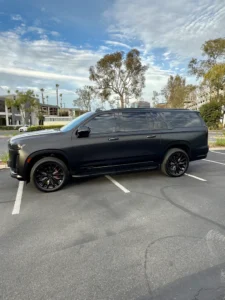
It’s also useful to identify vehicles with special characteristics. Modified vehicles, oversized SUVs, lowered cars, lifted trucks, and non-running automobiles may require different loading arrangements.
A detailed inventory list helps the transportation provider understand how many vehicles need to move and what type of carrier may be appropriate.
For larger shipments, organize the vehicles by pickup location and destination. Grouping compatible vehicles can simplify scheduling and reduce unnecessary coordination.
Choosing the Appropriate Carrier
A major part of car dealership transportation is selecting equipment that matches the inventory.
- Open Auto Transport
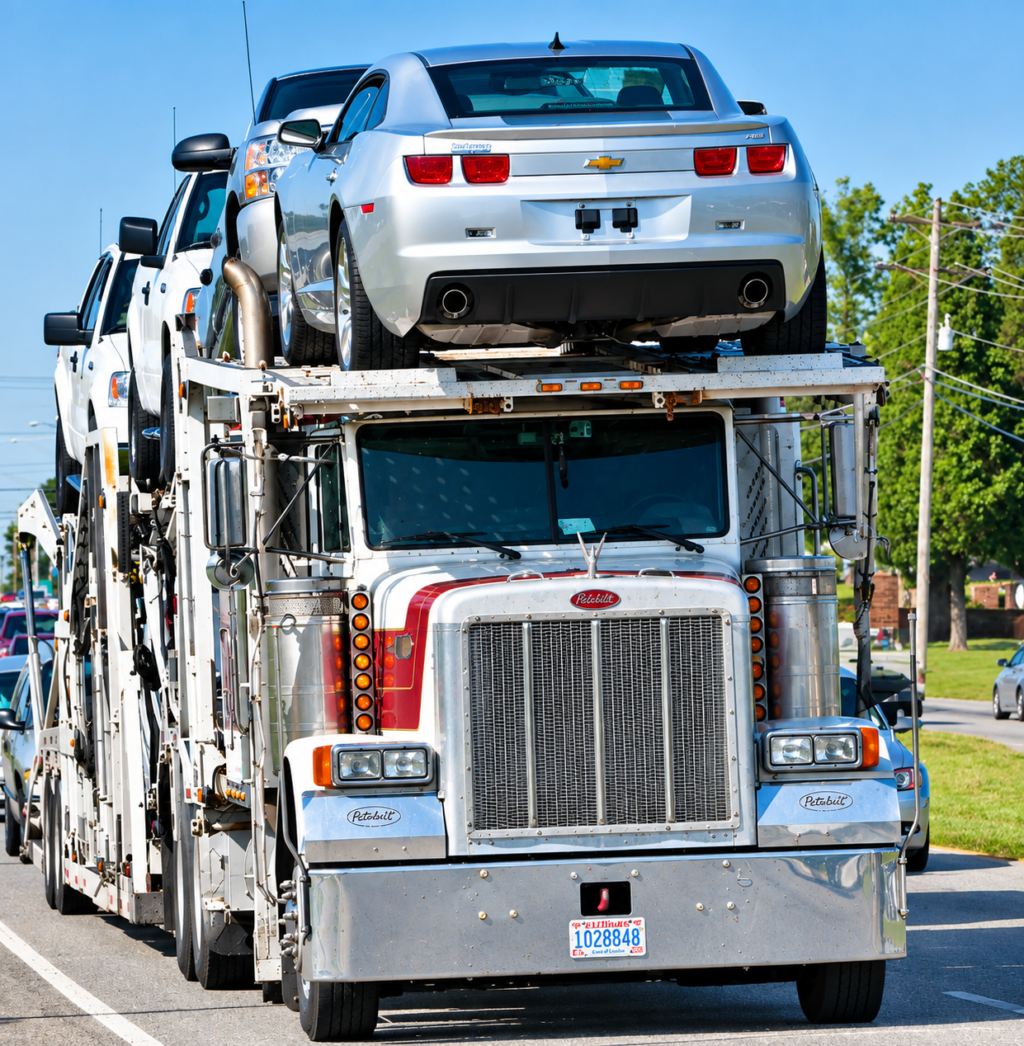
Open carriers are commonly used for moving multiple standard vehicles. They can transport several cars on the same trailer, making them useful for many dealership inventory transfers.
The vehicles remain exposed to normal outdoor conditions during transit, but open transport is widely used for routine vehicle shipping.
- Enclosed Auto Transport
Enclosed transportation provides a covered environment and may be considered for luxury, collectible, exotic, classic, or highly customized vehicles.
Because enclosed carriers typically have different capacity and availability considerations, dealerships should identify specialty vehicles before scheduling the shipment.
- Specialized Transportation
Oversized, damaged, inoperable, or unusually modified vehicles may need specialized equipment. Sharing complete vehicle specifications in advance allows the transporter to determine whether additional loading or handling arrangements are necessary.
Scheduling Is More Than Picking a Date
Dealerships operate around inventory turnover, sales appointments, auction deadlines, and customer commitments. Consequently, transportation scheduling needs to account for the entire movement rather than only the pickup date.
When planning a shipment, consider:
- Vehicle readiness: Are all cars available when the carrier arrives?
- Pickup access: Does the dealership have sufficient space for the carrier to enter and load?
- Destination access: Can the delivery location accommodate a large transport truck?
- Business hours: Will someone be available to release and receive the vehicles?
- Documentation: Are the necessary vehicle records ready?
- Delivery sequence: If vehicles have multiple destinations, does the planned route make sense for the carrier?
Early coordination can reduce last-minute scheduling issues.
Preparing Dealer Inventory for Pickup
Dealership vehicles should be prepared before the carrier arrives.
Remove personal belongings and unnecessary items from each vehicle. Check that loose accessories are secured and notify the transporter about aftermarket modifications.
Document the condition of every vehicle with photographs. Images should show the exterior from multiple angles and clearly capture any existing damage.
For vehicles that do not run, provide that information in advance. Loading a non-operational vehicle can require additional equipment.
Keys, paperwork, and access instructions should also be organized so the driver can complete the pickup without unnecessary delays.
Understanding the Cost of Dealer Vehicle Shipping
There isn’t a universal price for multi-vehicle transportation. Several factors can influence the final cost.
The number of vehicles, total distance, vehicle sizes, carrier type, route, pickup and delivery locations, vehicle condition, and scheduling requirements can all affect pricing.
Special handling may also increase transportation costs. For example, an oversized vehicle or an automobile that cannot roll and steer normally may require additional equipment.
Dealerships requesting quotes should provide an accurate inventory list rather than estimating the shipment based only on the number of vehicles.
Keeping Communication Organized
Multi-vehicle shipments can involve several people, including dealership managers, inventory staff, drivers, auction representatives, and customers.
Designating a primary contact can make communication easier. Keep pickup addresses, phone numbers, vehicle details, delivery instructions, and appointment information in one accessible record.
Ask the transportation provider how pickup and delivery updates will be communicated. Having a consistent process can make it easier to respond when schedules change.
How Rapid Auto Shipping Supports Dealership Moves
Rapid Auto Shipping provides vehicle transportation assistance across the USA for dealerships, businesses, and individual customers. Dealer shipments can range from a single automobile to multiple vehicles moving between locations.
The transportation plan can take into account vehicle type, operating condition, route, pickup requirements, and delivery preferences. Dealerships can provide their inventory details and discuss the available transportation arrangements before scheduling.
Whether you’re moving auction purchases, redistributing inventory, or delivering sold vehicles, having the transportation plan organized in advance can help your dealership keep vehicle movement on schedule.
A Dealer’s Pre-Shipping Checklist
Before confirming a shipment, review these points:
| Task | What to Check |
| Inventory list | Vehicle details and destinations |
| Condition | Running or non-running status |
| Carrier | Suitable equipment for the vehicles |
| Pickup | Address and access conditions |
| Delivery | Destination access and receiving hours |
| Documentation | Required vehicle records |
| Inspection | Photos and existing damage |
| Schedule | Pickup and delivery expectations |
This simple process can help identify missing information before the carrier arrives.
Final Thoughts
Effective car dealership transportation starts with organization. A complete inventory list, appropriate carrier, realistic scheduling, accessible pickup and delivery locations, and proper vehicle preparation can all contribute to a smoother multi-vehicle move.
For dealerships managing inventory across state lines, professional transportation can reduce the logistical burden of moving vehicles individually. Rapid Auto Shipping helps automotive businesses coordinate vehicle transportation across the USA according to their inventory, route, and shipping requirements.
FAQs
- What is car dealership transportation?
Car dealership transportation refers to professional vehicle shipping arranged for dealerships and automotive businesses. It can include dealer-to-dealer transfers, auction purchases, customer deliveries, and inventory relocation.
- Can several dealership vehicles be transported together?
Yes, multiple compatible vehicles can often be transported on the same carrier. The number of vehicles depends on their size, weight, carrier capacity, and route.
- Can dealerships ship vehicles purchased at auctions?
Yes. Transportation can be arranged from eligible auction locations to dealerships or other destinations. Pickup requirements should be confirmed before scheduling.
- Can non-running dealership vehicles be transported?
Many non-running vehicles can be shipped, but special loading equipment may be required. The vehicle’s condition should be disclosed when requesting transportation.
- How can a dealership prepare vehicles for shipping?
Dealerships should remove personal items, document vehicle condition, secure loose accessories, organize keys and paperwork, and provide accurate information about each vehicle.