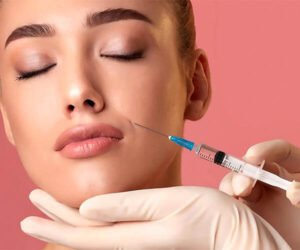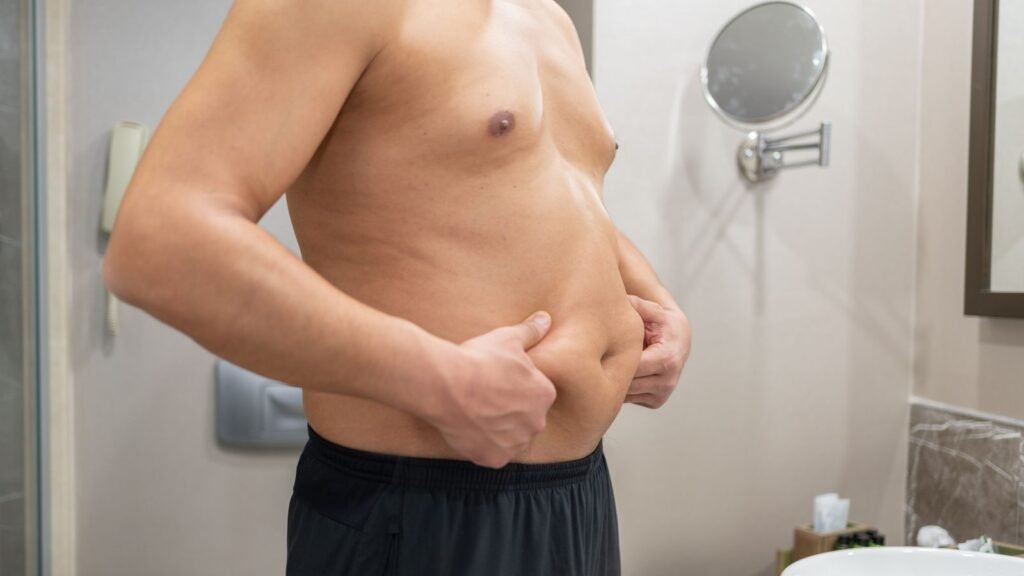
Changes in body volume can occur naturally with age, weight fluctuations, genetics, or the gradual loss of fat beneath the skin. These changes may affect facial contours, hands, and other areas where fullness contributes to a balanced appearance. For people seeking a more natural-looking approach to body enhancement, Fat Injections in Dubai offer an option that uses fat taken from the patient’s own body to improve volume and contour in selected areas. This technique, commonly called fat transfer or autologous fat grafting, can help soften hollow areas and create smoother transitions between body contours. Understanding how the procedure works, which areas may benefit, and what results to expect can help individuals make informed decisions.
How Do Fat Injections Restore Lost Volume?
Fat injections involve collecting fat from one part of the body and transferring it to another area that needs additional fullness. Unlike synthetic fillers, this procedure uses the patient’s own fat, making it an appealing option for people interested in a natural-tissue approach to enhancement.
Understanding the Fat Transfer Process
The procedure generally involves three main stages:
- Fat harvesting: A clinician removes fat from a suitable donor area, often the abdomen, thighs, or flanks, using a specialized liposuction technique.
- Fat purification: The collected material is processed to separate usable fat cells from unwanted fluids and other components.
- Fat injection: The prepared fat is carefully placed into the selected treatment area using small instruments and precise injection techniques.
The goal is to restore volume while maintaining natural-looking proportions. Because some transferred fat may not survive in its new location, the final result can vary from person to person.
Which Body Areas Can Benefit From Fat Injections?
Fat transfer can be used in several areas, depending on individual anatomy, treatment goals, and the amount of suitable donor fat available.
Facial Volume and Contour
The face may gradually lose fullness with age, particularly around the cheeks, temples, and areas beneath the eyes. This can create a hollow or tired appearance.
Carefully placed fat grafts may restore selected areas of facial volume, soften certain contours, and support a more refreshed appearance. However, the face contains delicate structures, so treatment requires appropriate clinical expertise and careful patient selection.
Hands and Visible Signs of Aging
As the hands age, the layer of fat beneath the skin may become thinner, making veins and tendons more noticeable. Fat transfer can sometimes restore fullness to the backs of the hands, creating a softer appearance.
Results depend on the individual’s skin quality, anatomy, and the amount of fat that remains after healing.
Buttocks and Other Body Contours
Fat transfer may also be considered for selected body-contouring goals, including adding fullness to the buttocks or improving certain contour irregularities. The treatment plan depends on the desired change, donor-fat availability, and the patient’s overall health.
Buttock fat transfer requires particular caution because serious complications can occur if fat enters blood vessels. It should only be performed by a qualified surgical team using established safety protocols.
What Makes Fat Injections an Appealing Option?
One reason people consider fat transfer is that it uses their own tissue rather than an entirely synthetic material. It can also address two concerns in one procedure: removing unwanted fat from a donor area and adding volume to another location.
Potential Benefits of Fat Transfer
Depending on the treatment area and individual circumstances, potential benefits include:
- Natural-looking fullness and improved contours.
- The use of the patient’s own tissue.
- The possibility of longer-lasting results when transferred fat survives.
- Improvements in selected hollow areas or contour irregularities.
- A personalized approach to volume restoration.
These benefits are not guaranteed. The amount of improvement varies, and fat transfer is a medical procedure with risks, including infection, bleeding, asymmetry, fat necrosis, and complications related to anesthesia.
What Should You Expect During Recovery?
Recovery varies according to the treatment area, the amount of fat transferred, and whether liposuction is performed in multiple locations. Swelling, bruising, and temporary tenderness are common during the initial healing period.
Supporting the Healing Process
Following the clinician’s instructions is essential for achieving the best possible outcome. Patients may be advised to limit strenuous activity, protect treated areas from unnecessary pressure, and attend follow-up appointments.
It is also important to understand that not every transferred fat cell survives. Some volume may decrease as swelling settles and the body naturally absorbs a portion of the grafted fat. Final results may take several months to become clear.
Patients should promptly seek medical attention if they experience severe or worsening pain, unusual skin discoloration, fever, shortness of breath, or other concerning symptoms.
Are Fat Injections Suitable for Everyone?
Fat transfer may be suitable for people who want to restore volume and have enough donor fat available for harvesting. However, suitability depends on medical history, general health, skin condition, anatomy, and realistic expectations.
A qualified medical professional should assess the intended treatment area, explain alternative options, and discuss potential complications before recommending a procedure. Patients should also ask about the practitioner’s experience, facility standards, and follow-up arrangements.
People seeking subtle enhancement may have different needs from those looking for a significant change in body shape. A personalized assessment helps determine whether fat transfer is appropriate or whether another treatment would be more suitable.
Conclusion
Fat injections can restore fullness in selected facial and body areas by transferring fat from one part of the body to another. They may offer natural-looking contour improvements, although results depend on fat survival, individual anatomy, and the expertise of the treating team. Understanding the procedure, recovery process, and associated risks is essential before making a decision. With careful patient selection and realistic expectations, fat transfer may be a useful option for individuals seeking to address volume loss and achieve more balanced body contours.